

)
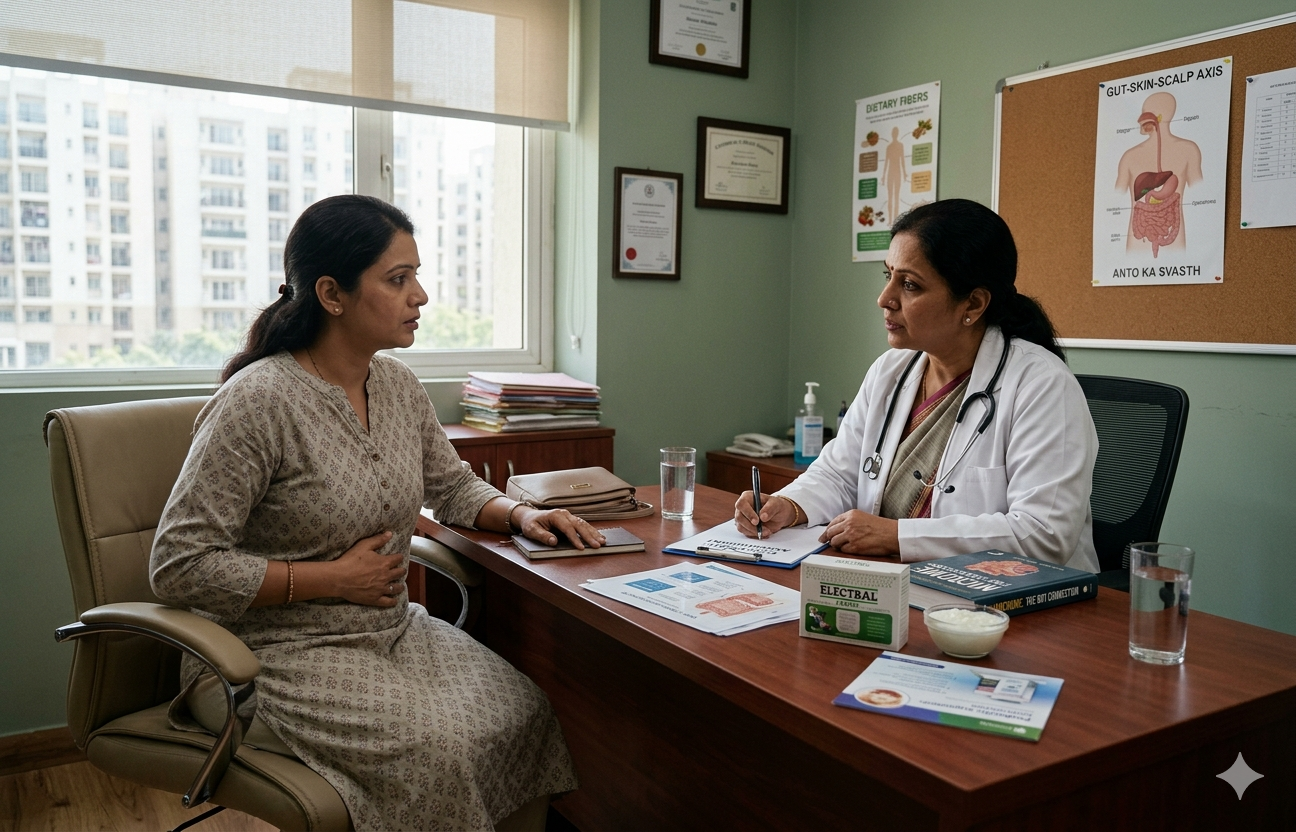
Good health often starts from within, and the gut plays a much bigger role in your wellbeing than most people realise. It affects your digestion, immunity, energy levels and even your mood.
Drawing on years of experience as a gastroenterologist, Dr Saurabh Sethi shares five important things every woman should know about her gut health before small issues turn into bigger problems. He points out small lifestyle changes that can often prevent minor digestive issues from developing into long-term health concerns.
1. Iron deficiency without an obvious cause needs a gut investigation
Iron deficiency without an obvious cause requires a thorough gastrointestinal investigation. "Unexplained low iron in women (without heavy periods) can be the first sign of silent gut inflammation, celiac disease, or early colon cancer," the doctor says.
2. Chronic stress hits the female gut harder than most people realise
"Women have a more sensitive gut-brain axis. Anxiety, trauma, and sustained stress physically alter gut bacteria composition and motility in ways that are measurable and real," he adds. Left unchecked, this can lead to an overgrowth of harmful bacteria, a weakened gut lining and increased intestinal permeability.
3. Colon cancer symptoms in women are dismissed far longer than in men
Fatigue, cramping and bowel changes in younger women are often attributed to periods, stress, or IBS. This can cause critical delays in diagnosis. Understanding the symptoms early can help women advocate for proper testing and avoid misdiagnosis.
4. Perimenopause and menopause change your gut in ways nobody prepares you for
Declining estrogen and progesterone levels during perimenopause and menopause dramatically alter the gut. "It slows gut transit, reduces microbiome diversity, and increases constipation — your gut health strategy must evolve as your hormones do," the doctor explains.
5. Women wait longer than men to seek help for gut symptoms
Normalising pain, irregularity and bloating as just part of female hormones is one of the most dangerous things women can do. According to the gastroenterologist, it takes about
6. Years for women to receive an IBS diagnosis
Several overlapping factors contribute to the diagnostic gap in women's digestive health.
Disclaimer: This content including advice provides generic information only. It is in no way a substitute for a qualified medical opinion. Always consult a specialist or your own doctor for more information. NDTV does not claim responsibility for this information.