

)
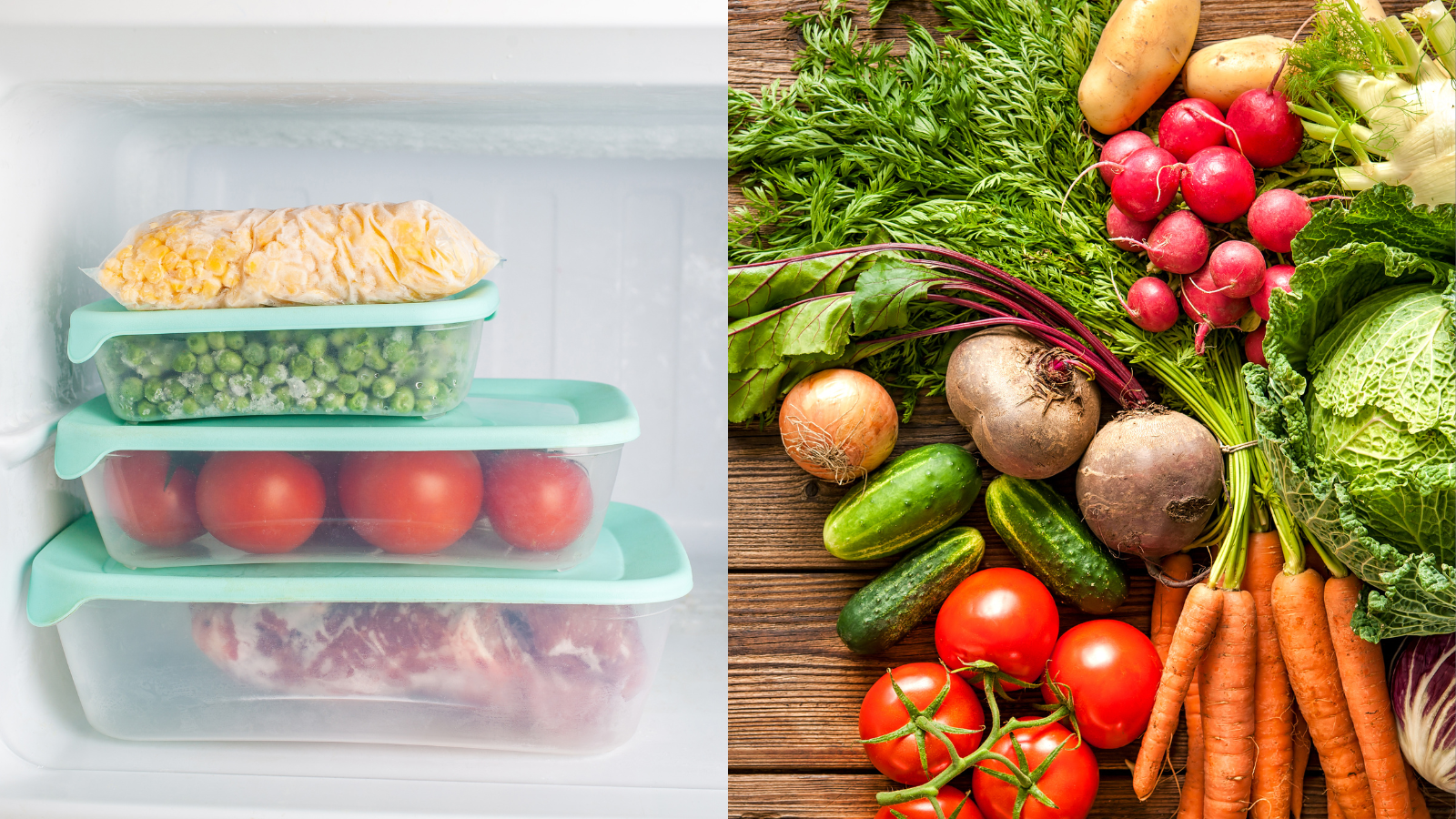
Vegetables are an important part of a healthy diet, but many still wonder whether it's fresh or frozen that contains more nutrition. Fresh vegetables are picked from farms and then travel to shops before reaching your kitchen. During this time, they may slowly lose some nutrients.
Frozen vegetables follow a different process. They are usually frozen soon after they're harvested, which helps keep many of their nutrients intact until they are cooked and consumed.
Nutritionist Deepsikha Jain spells out the difference between fresh and frozen vegetables and shared which option is better. Her comparison may make you think twice before choosing vegetables only because they are fresh.
On Instagram, Deepsikha explains, “Fresh vegetables definitely are healthy, but they also have a very less shelf life. It can get deteriorated within one to two days, which may lead to a lot of wastage. Versus when you are eating frozen vegetables, they have a very high shelf life. You will not end up wasting a lot of these vegetables.
“Second, they have more nutrient retention as compared to the fresh vegetables, especially carotenoids. So, you also don't end up compromising on the nutrients part.”
“Third, these are quite economical as compared to your fresh vegetables and that can actually save you a lot of cost. So you can definitely pick either none of these are good or bad for you. But if you are trying to save more cost and time, frozen vegetables are the go for you.”
As per GoodRx, Freezing does not affect all nutrients in vegetables. The main nutrients, such as carbohydrates, protein and fat, usually stay stable during the process. Vitamins and minerals may get affected but it depends on how the vegetables are handled.
Before most vegetables are frozen, they are put in boiling water. This process is called blanching. It helps vegetables keep their colour, taste and texture while also reducing harmful bacteria. At the same time, blanching may lead to the loss of some nutrients.
Disclaimer: This content including advice provides generic information only. It is in no way a substitute for a qualified medical opinion. Always consult a specialist or your own doctor for more information. NDTV does not claim responsibility for this information.