

)
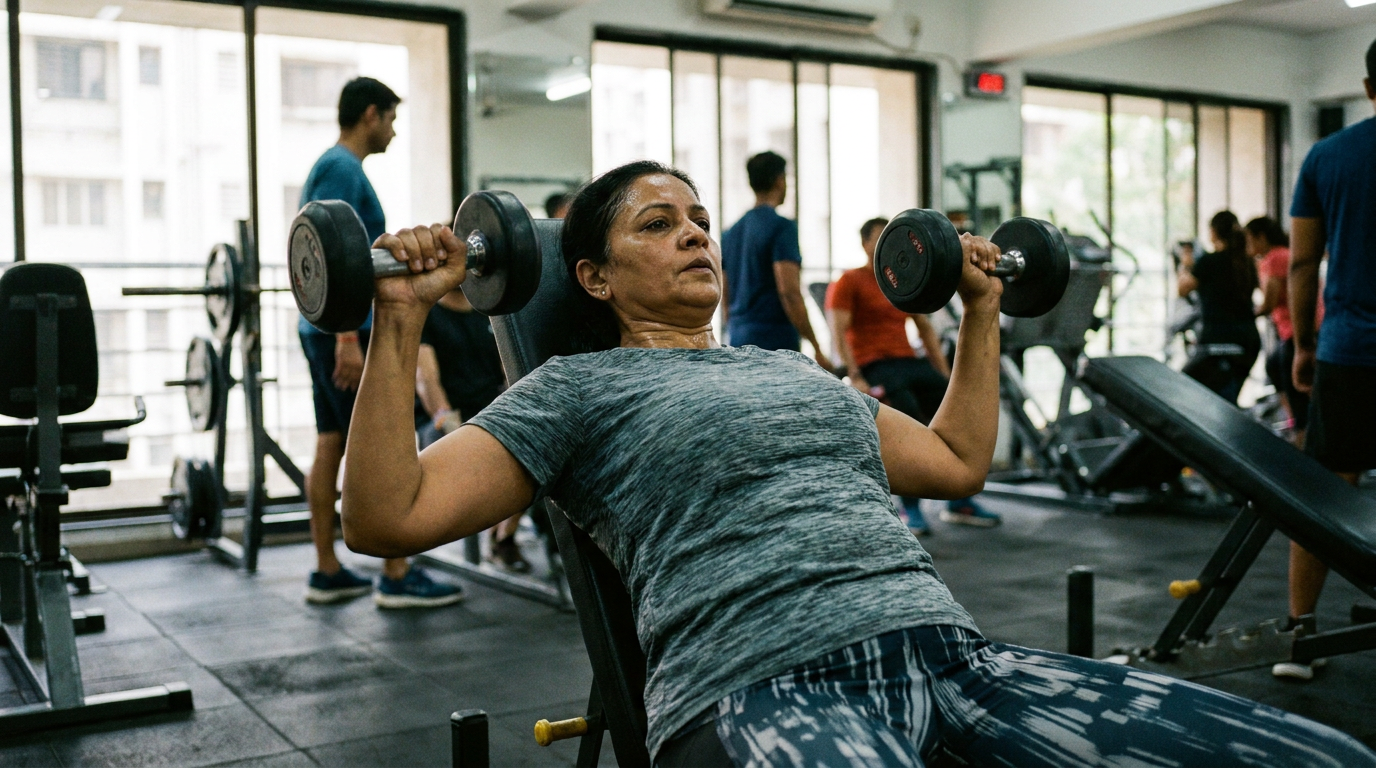
Many women avoid lifting weights because of a common fear: that strength training will make them look bulky or overly muscular. This concern often comes from the idea that lifting heavier weights automatically leads to large muscles. However, building a highly muscular body is not something that happens quickly or accidentally. It depends on factors such as genetics, hormones, diet, training style and the amount of time spent exercising. For most women, regular strength training is more likely to improve muscle tone, strength and body composition than dramatically increase muscle size.
Women can benefit from resistance training at almost any age. Lifting weights can help strengthen muscles and bones, support better posture, improve balance and make everyday activities easier. It can also help women maintain muscle mass while losing body fat. So, does lifting weights actually make women bulky? The simple answer is: usually, no. Read on to know why.
Why Don't Women Easily Become Bulky?
One of the main reasons women do not generally gain large amounts of muscle from ordinary weight training is their hormonal profile. Women typically have much lower levels of testosterone than men, and testosterone plays an important role in muscle growth.
This does not mean women cannot build muscle. They absolutely can. However, gaining a significant amount of muscle usually requires consistent resistance training, adequate nutrition, sufficient protein and often a calorie surplus over a long period. For most women who lift weights two or three times a week, the result is likely to be stronger and more defined muscles rather than a sudden increase in muscle size.
What Happens When Women Lift Weights?
When you lift weights, your muscles work against resistance. Over time, the body adapts by becoming stronger and more efficient. Regular strength training can help:
- Build lean muscle: Muscle gives the body shape and supports movement.
- Increase strength: Everyday tasks such as carrying bags, climbing stairs or lifting objects can become easier.
- Support bone health: Weight-bearing and resistance exercises can help maintain bone strength, which becomes especially important as women age.
- Improve body composition: Building muscle while reducing or maintaining body fat can create a more toned appearance.
- Support metabolism: Muscle tissue requires energy, and maintaining muscle can contribute to daily energy expenditure.
The scale may not always show these changes immediately because muscle and fat affect body weight differently. A woman may look leaner and feel stronger even if her weight changes very little.
Does Lifting Heavy Weights Cause More Bulking?
Not necessarily, lifting heavier weights does not automatically make a woman bulky. The amount of muscle a person gains depends on several factors, including training volume, exercise selection, nutrition, recovery, genetics and individual goals. Heavier resistance can actually be useful for developing strength.
For someone who wants to become stronger without specifically focusing on increasing muscle size, a well-planned strength programme can include heavier weights with appropriate repetitions and rest periods. The goal should be to gradually increase strength while maintaining good exercise technique.
Can Women Lose Fat By Lifting Weights?
Strength training can be an important part of a fat-loss programme. While activities such as walking, running and cycling burn calories, resistance training helps preserve and build muscle. This is important because losing weight without resistance exercise can sometimes result in loss of both fat and muscle. Including strength training, along with a balanced diet and adequate protein, can help support muscle while reducing body fat.
However, no exercise can specifically remove fat from one area of the body. A combination of regular physical activity, nutrition and overall calorie balance is more important for reducing body fat.
Lifting weights does not automatically make women bulky. For most women, regular resistance training can help build strength, maintain muscle, support bone health and improve body composition. Significant muscle growth generally requires a specific combination of training, nutrition, recovery and time.
Disclaimer: This content including advice provides generic information only. It is in no way a substitute for a qualified medical opinion. Always consult a specialist or your own doctor for more information. NDTV does not claim responsibility for this information.