

)
When you hear the words robotic surgery, you might picture a scene straight out of a science fiction movie. You might imagine a cold metal machine standing over a patient, making independent decisions, and operating all on its own while doctors simply watch from the sidelines. For many people, this is a terrifying thought. It brings up feelings of losing control during a very vulnerable moment in their lives. People worry that machines lack the compassion and careful touch of a human being.
But medical experts want you to know one clear fact. A robot never operates on you.
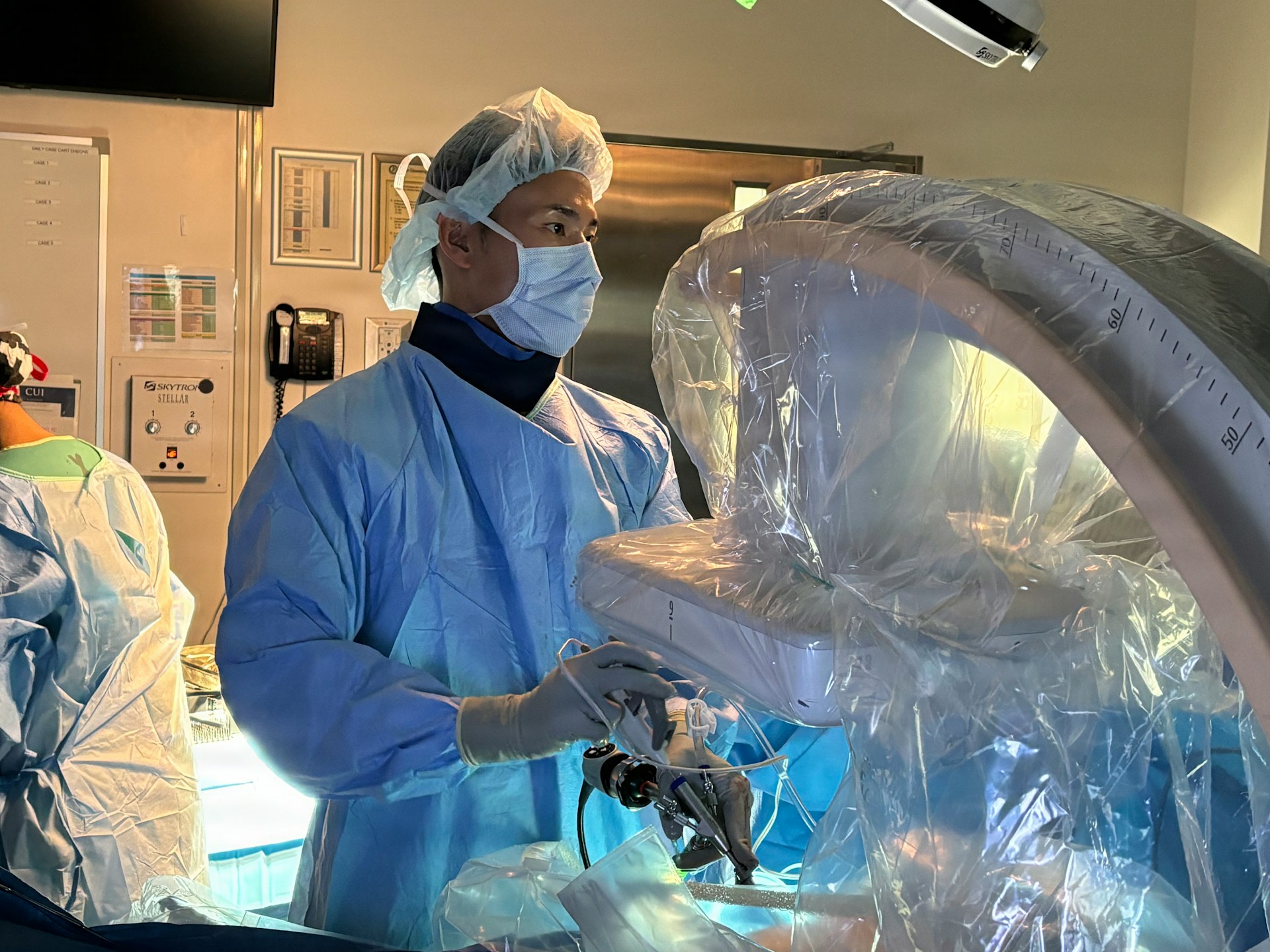
In modern hospitals, a surgical robot is simply a highly advanced tool. Think of it as a very smart extension of the doctor's own hands and eyes. The human surgeon is in complete control the entire time, making every single medical decision from the first moment of the procedure to the very last stitch.
Instead of standing directly over the patient for hours, which can cause intense physical fatigue, the doctor sits at a comfortable computer station a few feet away in the exact same room. By looking into a screen that shows a deeply magnified, three dimensional view of the inside of the body, the doctor uses precise hand controls to move tiny instruments. The robot takes the exact hand movements of the surgeon and turns them into incredibly small and precise actions inside the patient. It even filters out the natural shaking that every human hand naturally has.
Why does this matter for you and your family? As this technology becomes more common, patients care less about the shiny machine in the room and more about getting better faster. Families just want to know that their loved ones are safe and will come home soon.
The benefits of this approach are very real and can be life changing. Because the robotic tools are so tiny and can bend in complex ways a human wrist simply cannot, the surgeon can reach difficult areas of the body safely. For the patient, this means very small cuts instead of large, painful wounds. It leads to less physical trauma, less bleeding, and a much lower risk of infection after the procedure. Instead of spending a full week in a hospital bed relying on strong pain medication, a patient might be up and walking the very next day. They are often ready to go home to their family much sooner, getting back to their jobs, their children, and their normal daily routines without a long, painful delay.
However, having a robot in the operating room does not automatically guarantee a perfect surgery. The experience of the doctor, their years of rigorous training, and the overall quality of the hospital are still the most important factors by far. The machine is just there to help a great doctor do an even better, more precise job. Doctors spend hundreds of hours training on these systems before they ever use them on a real person.
The biggest change happening right now is who actually gets to use this amazing technology.
For a long time, robotic surgery was considered a luxury meant only for the privileged. The machines were imported from foreign countries at huge costs. Because of this, only a few big city hospitals could afford to buy them, and the surgery itself was far too expensive for the common person to even consider. It felt like a service meant only for the wealthy.
Today, India is completely changing that story.
Brilliant local engineers, software developers, and doctors are teaming up to build world class robotic systems right here at home. These locally made machines are designed specifically for the unique needs of Indian hospitals. They are built to handle high numbers of patients and work efficiently in our demanding environments. By building them locally, the cost of the surgery drops dramatically. This means advanced medical care is finally reaching ordinary people from middle income families.
This incredible success brings up an exciting possibility for the future. India is quickly moving toward becoming a global capital for medical robotics. We have a massive population, highly skilled surgeons, and brilliant technology experts who understand how to make things both affordable and world class. We are no longer just buying technology; we are creating it.
This incredible technology is not just a dream for the future. It is already a reality today. With modern high speed internet connections, doctors are performing surgeries across incredibly long distances. In fact, an indigenous Indian surgical robot company has already successfully completed more than one hundred and ninety telesurgeries including cross continental telesurgeries. A top specialist sitting in a big city hospital can now control a robotic system to help a patient lying in a rural clinic thousands of miles away. This means a patient in a small village gets world class, life saving care right now, without having to travel for days or spend money they do not have. The medical expertise travels through the internet, while the patient stays close to their loved ones and their home community.
For a long time, people from other countries travelled to India for affordable healthcare. Now, India is preparing to export the actual medical innovation and the machines to the rest of the world. It is a very proud shift for the country, moving from simply manufacturing basic goods to being a trusted creator of highly advanced, life saving technology.
At the end of the day, the only question that matters to a sick patient is whether the treatment will help them heal safely and comfortably.
When the answer is yes, the robot itself is no longer the main focus of the conversation. It simply becomes a wonderful, quiet way to give human doctors the power to save lives with better precision and much greater care.
(By Dr. Sudhir P. Srivastava, Founder, Chairman & CEO, SS Innovations International Inc)
Disclaimer: The opinions expressed within this article are the personal opinions of the author. NDTV is not responsible for the accuracy, completeness, suitability, or validity of any information on this article. All information is provided on an as-is basis. The information, facts or opinions appearing in the article do not reflect the views of NDTV and NDTV does not assume any responsibility or liability for the same.