
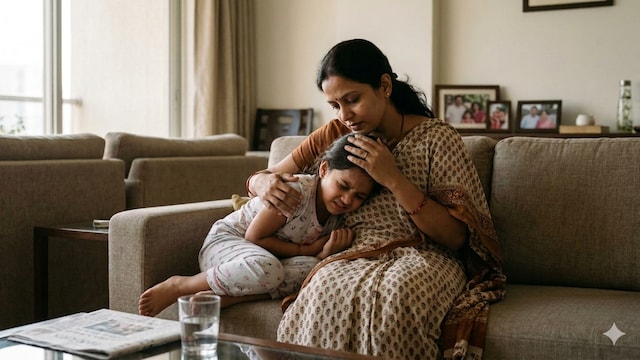
Children often contract bacterial infections, with urinary tract infections (UTIs) being one of the most common types. They can happen to anyone at any age, but they happen a lot when kids are babies or are learning to use the toilet. A UTI occurs when bacteria enter the urinary tract and multiply, affecting the bladder, urethra, ureters or even kidneys.
Despite the fact that certain children may have underlying anatomical conditions that increase their risk, the development of urinary infections is often influenced by everyday bathroom habits. Children are naturally busy, distracted and more unwilling to interrupt their playtime or school activities for toilet. Over time, these behaviours may impact bladder function and create an environment where bacteria can thrive.
Understanding which toilet habits increase the risk of UTIs can help parents and caregivers toward encouraging healthier lavatory habits and reducing the likelihood of recurrent infections.
How to Identify UTI Symptoms
Before we discuss prevention, it is important to be aware of the warning signs of a urinary infection.
Common symptoms of UTI in children include:
- Pain or burning during urination
- Frequent urination
- Sudden urgency to urinate
- Fever without an obvious cause
- Lower abdominal discomfort
- Back or flank pain
- Foul-smelling urine
- Vomiting
- New-onset bedwetting
- Irritability or poor feeding in infants
The younger the child, the more difficult to describe the symptoms, the more difficult the diagnosis. Sometimes fever is the only sign noted.
Too Long of Holding Urine
One of the most common toilet habits for UTIs in children is holding their urine. Many kids become so absorbed in play, screen time, or schoolwork that they neglect the need to use the toilet. School going children often avoid school toilets because they feel uncomfortable, crowded or dirty.
What happens if urine stays in the bladder for long periods of time:
- Bacteria have more time to grow
- Bladder over-distension
- It gets more difficult to empty the bladder completely.
- Increased risk of recurrent infections
It is important to encourage and aware children to urinate every two to three hours during the day, even if they don't feel a strong urge.
Rushing Through Toilet Visits
Some kids sit on the toilet for a little while and then go back to playing. They might not fully empty their bladder as a result. Any residual urine left in the bladder can be a breeding ground for bacteria. Repeated incomplete emptying can lead to recurrent UTIs and bladder dysfunction over time. Parents should motivate their children to take their time while urinating and ensure that they are not rushing to complete the task.
Not Practising Double Voiding
Double voiding is an easy technique that helps children empty their bladder better. This technique can be especially useful for children who tend to have incomplete bladder emptying or recurrent UTIs. Double voiding may result in a reduced amount of residual urine and thus a reduced risk of bacterial growth in the bladder.
Double voiding involves:
- Passing urine normally.
- Standing up or waiting for 10-15 seconds.
- Sitting down again and trying to urinate a second time.
Poor Toilet Posture
The efficiency of bladder emptying can be affected by the position of the child on the toilet. Kids whose feet dangle over the toilet may not be able to fully relax their pelvic floor muscles. Not relaxing enough can lead to not emptying completely. Having a footstool makes a big difference in emptying the bladder properly, especially with younger children.
Healthy toilet posture includes:
- Feet supported on the floor or a stool
- Knees slightly apart
- Relaxed sitting position
- No straining
Incorrect Wiping Habits
Poor or improper wiping after toilet is a well-recognised risk factor for UTIs, especially in girls. The urethra is located close to the anus, so it is easy for bacteria from faeces to enter the urinary tract. Kids need to be reminded and watched regularly until it becomes habit to wipe properly.
To reduce this risk:
- Always wipe from front to back
- Use fresh toilet tissue when needed
- Avoid transferring bacteria from the anal area towards the urethra
Ignoring Constipation
Constipation is often thought of as a digestive problem, but there is a very close connection to urinary health. In fact, constipation is one of the most significant risk factors for recurrent UTIs in children. The rectum is just behind the bladder, so when it fills with retained stool, it may:
- Compress the bladder
- Interfere with normal bladder emptying
- Increase urinary urgency and frequency
- Promote bacterial growth
To support both digestive and urinary health, parents should make sure their kids drink enough water, eat a fiber-rich diet, be active every day, and go to the toilet regularly. The aim is to keep the stool soft and easy to pass and to prevent stool retention, which can lead to bladder dysfunction and increased risk of urinary tract infections.
Avoiding School Toilets
There are a lot of kids their age who intentionally don't use the restrooms at school or in public places. This could be because of privacy issues, bad hygiene, fear of getting teased by friends or just because they are busy with classes and activities. As a result, some children hold their urine for several hours, which can adversely affect bladder health and greatly increase the risk of urinary infections. Parents should have open conversations with their children about good bathroom habits and encourage them to use the toilet whenever the urge arises, whether they are at home, school or elsewhere.
Inadequate Hydration
Hydration and bathroom habits walk hand in hand. Kids who don't drink enough water will usually go to the toilet less often. In addition, concentrated urine can irritate the bladder and cause pain when urinating, which will increase urine retention. Water should be the main source of fluid intake. Limit excessive consumption of caffeinated, carbonated or highly acidic beverages, especially in children with sensitive bladders.
Good hydration helps:
- Flush bacteria out of the urinary tract
- Promote regular urination
- Support healthy bladder function
- Reduce the likelihood of infection
Toilet Hygiene Habits That Matter
Parents should encourage children to:
- Wash hands after using the toilet
- Keep the genital area clean
- Change wet or soiled underwear promptly
- Avoid heavily scented soaps and bubble baths
- Use gentle, non-irritating cleansing products
Good personal hygiene may considerably reduce exposure to bacteria around the urinary tract. The tissues around the genital area are sensitive, and bubble baths and perfumed products may irritate them and make children more likely to have urinary symptoms and discomfort.
When Should Parents Seek Medical Advice?
Medical attention should be sought if a child develops:
- Pain during urination
- Recurrent urinary frequency
- Fever without a clear cause
- Foul-smelling urine
- Abdominal or back pain
- Repeated UTIs
Children who have frequent UTIs in a short period of time may require further testing to look for any underlying urinary tract abnormalities. Babies with fever and suspected UTI need to be seen quickly as they can get very unwell very quickly.
Many childhood UTIs are not just caused by bacteria, but also by normal toilet habits that interfere with normal bladder function. Rushing to the toilet, holding in urine for long periods of time, not emptying the bladder completely, wiping poorly, constipation and not drinking enough water can all increase the risk of infection.
Luckily, these are habits that can be changed. Regular toilet breaks, good toilet posture, good hygiene, healthy bowel habits and adequate fluid intake can go a long way to protecting a child's urinary health. While it may take time and consistency to develop these habits, they are some of the best ways to help reduce the risk of UTIs and support long-term bladder health.
(By Dr. M. Gopichand, Senior Consultant Urologist, Yashoda Hospitals, Hyderabad)
Disclaimer: This content including advice provides generic information only. It is in no way a substitute for a qualified medical opinion. Always consult a specialist or your own doctor for more information. NDTV does not claim responsibility for this information.