

)
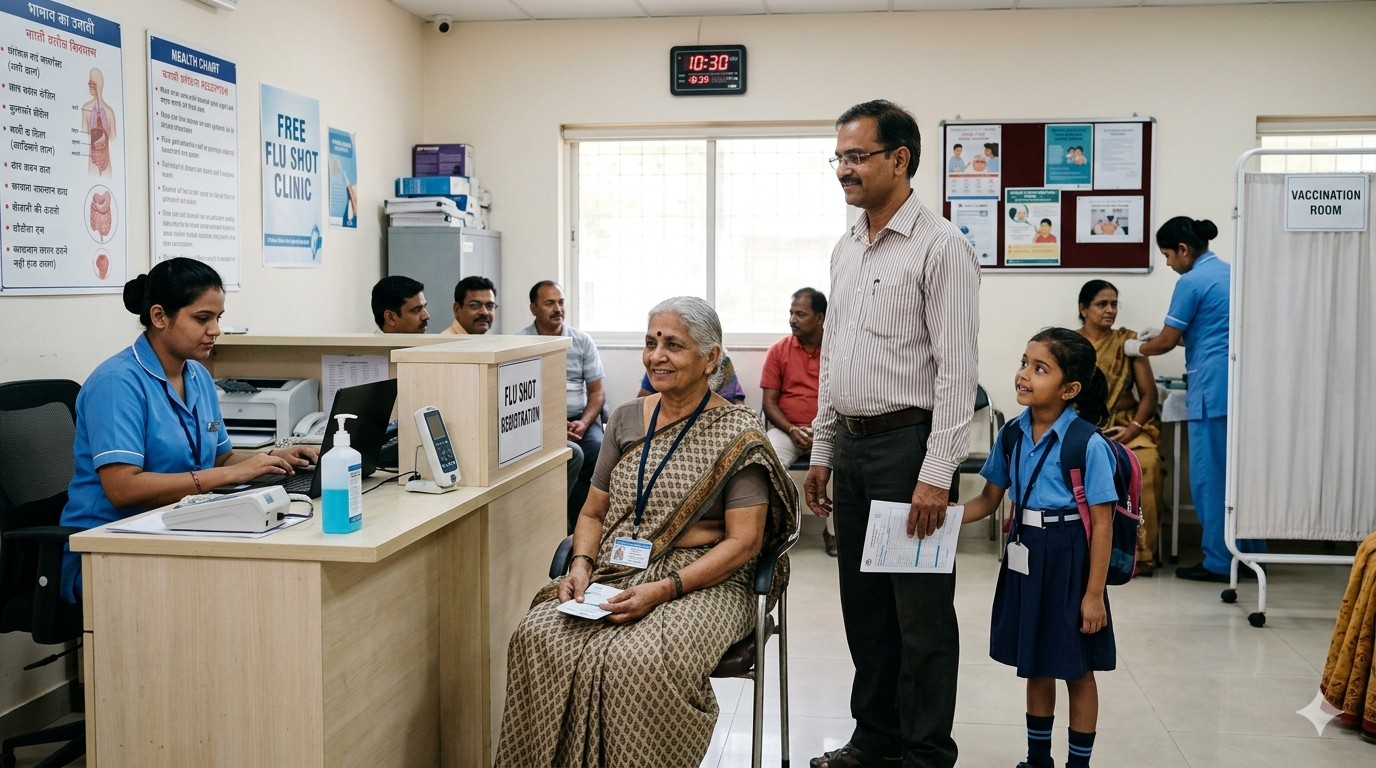
As a mild illness, the seasonal flu is frequently not treated seriously, but complications, hospitalization and death can occur as a result of getting it (particularly very young and old people/infirm). One of the best ways to prevent and minimize the severity of influenza is to get the flu vaccine each year. Based on information from the World Health Organization and Centers for Disease Control and Prevention, it is recommended that every person over 6 months of age receive an annual flu vaccine.
Each year, different strains of influenza will be circulating, and immunity from any prior infections or vaccinations diminishes over the passage of time. Therefore, the flu vaccines produced each year are going to target those strains that are circulating the most commonly at the time, thus making it very important for persons to get these vaccines annually to ensure they have ongoing protection against influenza.
Why Some Groups Need Priority Vaccination
That being the case, some groups have higher priority than others because of their higher propensity for serious illness. Pregnant women demonstrate significant vulnerability because of all of the immune system, cardiovascular system, and respiratory system changes their bodies experience as a result of pregnancy; thus, pregnant women have an increased likelihood of experiencing complications following infection. Vaccination during the course of pregnancy is also an effective means for providing protection for newborns during the first few months of life.
Young children, particularly those who are children younger than the age of five-and especially young children who are children younger than the age of two-have developing immune systems and are similarly vulnerable to developing complications (e.g., pneumonia and/or dehydration). Similarly, people over the age of 65 years are strongly recommended to receive vaccination annually due to weakened immune responses associated with ageing, which can lead to a greater likelihood of experiencing severe adverse outcomes.
High-Risk Individuals and Pre-existing Conditions
People with pre-existing illnesses (asthma, diabetic patients, people with heart disease, people who're not able to fight off infection (due to being on chemotherapy or having conditions such as cancer or HIV)) are at significantly higher risk of influenza putting them at risk of worsening their pre-existing illnesses requiring hospitalisation.
Healthcare providers and caregivers have a different level of risk compared to the general public and should receive the influenza vaccine annually because of how much more often they will come in contact with an infected person and can potentially pass the virus along to at-risk patients. Vaccinations across these groups are extremely important in preventing outbreaks from occurring both in healthcare facilities and communities.
Why Healthy Adults Should Also Get Vaccinated
Young healthy adults are still urged to receive their flu vaccinations each year, regardless of whether or not they are considered "high-risk." Although most young healthy adults will only have mild flu symptoms if they catch the virus, they can still put others, such as older adults and people with certain chronic health conditions, at risk for serious illness due to flu transmission. The broad vaccination of the community helps to provide some measure of herd immunity that reduces the amount of flu that each person will transmit.
The Bigger Picture: Community Protection
Despite not all adults in India receiving a flu vaccination on an annual basis, health experts are increasingly recommending vaccination for all adults, particularly those living in urban locations and people who are considered "high-risk." The bottom line is that when you receive your annual flu vaccination you not only protect yourself, but you are also taking one of the simplest and most effective steps to protect the health of the people around you.
(By Dr. Pradeep Narayan Sahu, Consultant - Internal Medicine, Manipal Hospital Bhubaneshwar)
Disclaimer: The opinions expressed within this article are the personal opinions of the author. NDTV is not responsible for the accuracy, completeness, suitability, or validity of any information on this article. All information is provided on an as-is basis. The information, facts or opinions appearing in the article do not reflect the views of NDTV and NDTV does not assume any responsibility or liability for the same.