

)
Dengue cases are rising in Delhi as the monsoon season continues, with the capital recording 121 infections in September up to September 12, taking its 2026 tally to 432, according to the latest Municipal Corporation of Delhi (MCD) data. The city recorded 71 fresh cases in the week preceding the report, making September the highest monthly contributor to Delhi's dengue count so far this year.
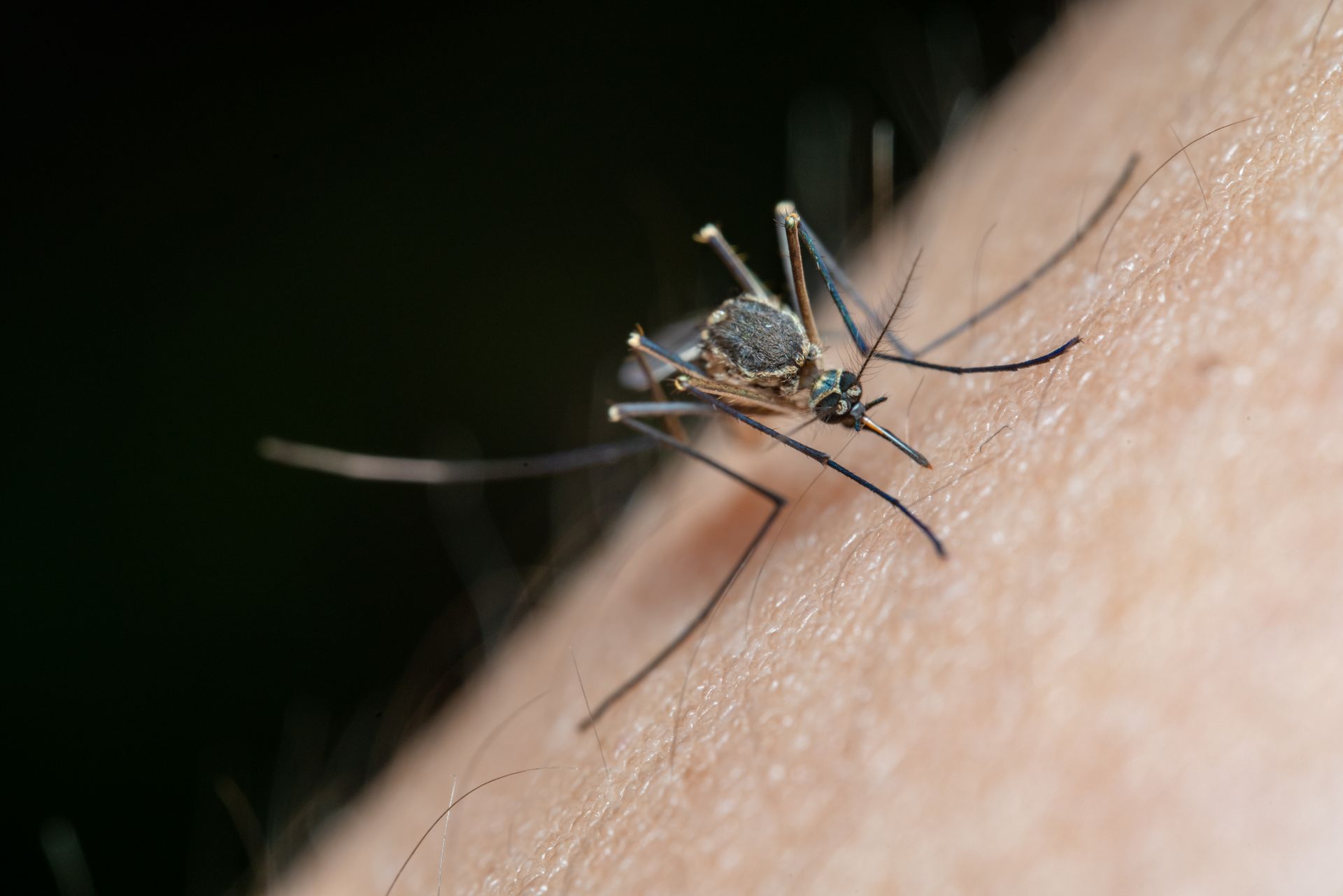
The increase comes at a time when conditions remain favourable for Aedes mosquitoes, which transmit dengue. These mosquitoes can breed in surprisingly small collections of stagnant water around homes, offices, construction sites and common areas.
However, the current rise should be viewed in context. Delhi's cumulative dengue count in 2026 remains lower than the corresponding period in 2025, 2024 and 2023, when 619, 709 and 2,097 cases respectively had been reported by the comparable point.
For residents, the immediate priority is not panic but vigilance. Dengue can begin like an ordinary viral fever, while severe disease can emerge several days into the illness, sometimes when the fever itself starts to subside. Recognising symptoms, knowing the warning signs and preventing mosquito breeding are therefore critical as dengue activity increases across the Delhi-NCR region.
Delhi Dengue Cases Rise: What Is Behind The Increase?
The latest MCD weekly vector-borne disease report, updated till September 12, recorded 121 dengue cases in September and 432 cases in Delhi so far this year. West Delhi has reported the highest number of cases this year at 57, followed by Central Delhi with 54 and Shahdara North with 50.
MCD data also shows that mosquito-control activity has intensified. Civic teams have inspected more than 2.79 crore houses for mosquito breeding this year, finding active larvae in 1.47 lakh homes. More than 1.10 lakh legal notices have been issued for conditions conducive to mosquito breeding, according to the latest report.
But mosquito control cannot depend only on civic action.
"The rise in dengue cases is closely linked to conditions that allow Aedes mosquitoes to breed and spread efficiently. The key issue is not just rainfall, but what happens after it," said Dr Suranjit Chatterjee, Senior Consultant, Internal Medicine, Indraprastha Apollo Hospitals, Delhi.
He pointed to discarded containers, tyres, buckets, plant trays and coolers as potential breeding sites, adding that water collecting in balconies, rooftops, construction areas and common spaces can sustain mosquito populations.
WHO also emphasises eliminating water-holding containers as a central component of dengue prevention. Aedes aegyptimosquitoes commonly breed close to human habitation and are active during the daytime.
Also Read: West Bengal Dengue Cases Double In A Month: Kolkata Doctors Share Concerns
Dengue Symptoms: What Should You Watch For?
According to Dr Chatterjee, the typical presentation is a sudden, high-grade fever accompanied by a combination of systemic symptoms.
"The symptoms to particularly watch for include severe headache and pain behind the eyes; intense muscle, bone and joint pain; nausea, vomiting and loss of appetite; marked fatigue; and skin rashes or unusual bruising," he said.
WHO lists high fever, severe headache, pain behind the eyes, muscle and joint pain, nausea, vomiting, swollen glands and rash among the common symptoms of dengue. Symptoms generally begin four to 10 days after infection and can last for two to seven days.
Importantly, dengue does not look identical in every patient. Some infections are mild or asymptomatic, while early dengue can resemble other viral illnesses.
"Persistent fever in a dengue-prone setting should therefore not be dismissed," Dr Chatterjee said.
When Should You Get Tested For Dengue?
Clinical symptoms alone cannot reliably distinguish dengue from other infections such as malaria and chikungunya. WHO says laboratory confirmation is important, with the appropriate test depending partly on the stage of illness.
Dr Chatterjee recommends that, depending on the stage of illness, Dengue NS1 antigen testing and Dengue IgM antibody testing may support diagnosis, with the choice and timing guided by symptoms, duration of illness and clinical assessment.
NS1 can help detect dengue during the early febrile phase, while IgM becomes useful as the immune response develops. Testing strategy should therefore not be reduced to a single test or a fixed day for every patient.
Severe Dengue: Why Platelet Count Is Not The Whole Story
One of the most important misconceptions about dengue is that the platelet count alone determines whether a patient is becoming seriously ill.
"Dengue is not simply a 'platelet disease'," Dr Chatterjee said. "Blood pressure, heart rate, breathing, urine output, fluid balance and other laboratory parameters also need to be assessed."
Severe dengue can involve significant plasma leakage, falling circulating blood volume, severe bleeding or organ impairment. WHO identifies plasma leakage leading to shock or fluid accumulation, severe bleeding and severe organ impairment as major manifestations of severe disease.
A falling platelet count may form part of the clinical assessment, but it must be interpreted alongside the patient's overall condition.
Patients with circulatory instability, significant bleeding or organ dysfunction may require hospital monitoring and intravenous fluids. Blood or platelet transfusion may be considered when clinically indicated, rather than simply because a platelet number has fallen.
Also Read: Mumbai Dengue Cases Spike 28% Since Last Year: Unique Risk Factors, Symptoms And Treatment Explained
Fever Falling? Do Not Assume Dengue Is Over
Another crucial point for families is the critical phase of dengue.
The temperature may fall around days three to seven of illness, but this does not necessarily mean that the patient is recovering. WHO notes that the critical phase can occur around the time fever subsides, when plasma leakage and other complications may develop.
Dr Chatterjee said a reduction in fever should not be considered the only indicator of recovery.
Seek immediate medical assessment if a person with suspected or confirmed dengue develops:
- Severe or persistent abdominal pain
- Repeated or persistent vomiting
- Bleeding from the nose or gums
- Blood in vomit or stool
- Breathing difficulty or rapid breathing
- Marked weakness, lethargy or unusual restlessness
- Reduced urine output
- Pale or cold skin
- Changes in blood pressure, heart rate or other vital signs
WHO identifies severe abdominal pain, persistent vomiting, bleeding, rapid breathing, weakness, restlessness, thirst and pale or cold skin among warning signs requiring urgent medical attention.
Who Is At Higher Risk Of Severe Dengue?
Some patients require closer monitoring, particularly older adults and people with underlying health conditions. "Older age, underlying conditions such as diabetes or heart disease, a compromised immune system, and a history of previous dengue infection warrant closer clinical attention," Dr Chatterjee said.
A previous dengue infection is particularly relevant because infection with one dengue serotype does not provide lifelong protection against the other serotypes. WHO notes that people experiencing a second dengue infection have a greater risk of severe dengue.
The absence of visible bleeding also does not automatically mean the illness is mild.
How To Prevent Dengue In Delhi-NCR
Dengue prevention starts with eliminating mosquito breeding sites. "Prevention needs to become a routine rather than a seasonal reaction," Dr Chatterjee said.
Families should inspect coolers, flowerpots, buckets, tyres, drains, rooftop containers, balconies and terraces at least weekly. Water-storage containers should be properly covered, while containers that can hold water should be emptied and cleaned regularly.
WHO recommends source reduction by removing or managing water-holding containers and cleaning and emptying domestic water-storage containers regularly.
People should also:
- Wear clothing that covers exposed skin where practical
- Use appropriate mosquito repellents
- Use window and door screens where possible
- Use mosquito nets when sleeping during the day
- Keep household water-storage containers covered
- Ensure discarded containers, bottles and tyres do not collect rainwater
Because Aedes mosquitoes commonly bite during the day, protection should not be limited to nighttime. Dr Chatterjee also stressed the importance of collective action. "Resident welfare associations, schools and workplaces also have an important role to play because dengue prevention is ultimately a community effort," he said.
What To Do If You Suspect Dengue
There is no specific antiviral treatment for dengue. Management focuses on appropriate hydration, rest, symptom control and close monitoring for complications. WHO recommends paracetamol/acetaminophen for fever and pain when appropriate and advises avoiding aspirin and ibuprofen because of their potential to increase bleeding risk.
Anyone with persistent fever or symptoms suggestive of dengue should seek medical advice rather than self-treating based only on a platelet count or a home test.
Delhi's dengue numbers are rising as the monsoon continues, making September an important period for household and community-level prevention. While the 2026 cumulative tally remains below the corresponding period in several recent years, the recent acceleration warrants vigilance.
The key message for families is simple: do not wait for an outbreak to act. Eliminate stagnant water, protect against daytime mosquito bites, seek medical assessment for persistent fever and learn the warning signs of severe dengue. Equally important, do not judge the severity of dengue by platelet count or falling fever alone. Timely clinical assessment and appropriate monitoring can make a critical difference when complications develop.
Disclaimer: This content including advice provides generic information only. It is in no way a substitute for a qualified medical opinion. Always consult a specialist or your own doctor for more information. NDTV does not claim responsibility for this information.