





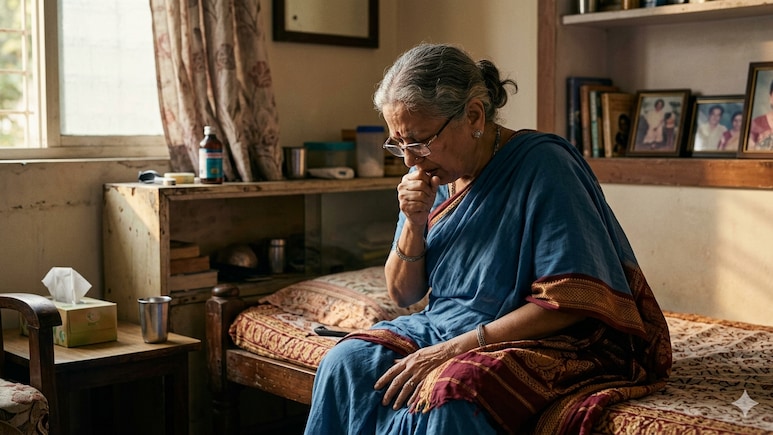
- Chest infections affect lungs, often after cold or flu, posing risks for elderly patients
- Elderly may show confusion, persistent cough, breathlessness, chest pain, or fatigue as symptoms
- Infections arise from viruses, bacteria, or fungi, worsened by age-related immune decline
Chest infection is an infection that affects the lungs and lower airways, often after a cold or flu. It causes inflammation from pathogens like viruses, bacteria or fungi which affects the bronchi or lung tissue. Chest infections can affect any individual, however, it can pose a significant threat to the elderly due to age-related decline in immune function, reduced lung capacity and comorbidities like COPD, diabetes and heart disease. People over 65 develop these infections after viral illnesses such as flu or colds, with bacteria and viruses infiltrating weakened airways, leading to inflammation and fluid buildup in the lungs.
The signs and symptoms of chest infection among elderly can be different from that of younger patients. Read on to know the warning signs, causes and prevention of chest infections in the elderly.
Warning Signs Of Chest Infections In The Elderly
Warning signs of chest infections, such as bronchitis or pneumonia, in the elderly often differ from younger adults. Here are some of the warning signs.
- Sudden confusion or delirium: Older adults may show mental fog, disorientation, or unusual drowsiness instead of fever, as low oxygen levels affect brain function. This might also mimic signs of dementia flares, however, signs highlight lung involvement.
- Persistent cough with coloured phlegm: A cough lasting over a week, producing yellow, green, or bloody mucous indicates bacterial buildup in airways.
- Shortness of breath: Rapid or shallow breathing, even during minimal activity, is a sign of reduced lung capacity and fluid accumulation. Seniors with COPD or heart issues experience rapid deterioration.
- Chest pain or tightness: Sharp pain worsening during deep breaths or coughing happens due to inflamed lung tissue. This is a red flag for pneumonia progression and requires immediate assessment.
- Fatigue and weakness: Extreme tiredness, unsteadiness leading to falls, or inability to perform daily tasks happens due to systemic inflammation and oxygen deprivation.
- Absence or low-grade fever: Hypothermia (below 37.8 degree Celsius /100 degree Farhenheit) or no fever is common due to poor immune responses. People might have shivering or chills, which is a contrast to high fevers in younger patients.
- Loss of appetite and dehydration: Reduced eating, nausea, or incontinence can be signs of metabolic strain. Weight loss and weakness tend to increase, heightening the risk of hospitalisation.
Causes Of Chest Infections In The Elderly
Chest infections in the elderly, such as bronchitis or pneumonia, happen due to a mix of infectious agents and age-related vulnerabilities that impact the body's defenses. Viral pathogens like influenza, respiratory syncytial virus (RSV), or rhinoviruses are often the starting, which is followed by a common cold or flu, inflaming the airways and allowing secondary bacterial invasion. Bacterial causes lead to severe pneumonia cases, while fungi from soil or bird droppings pose risks to those with chronic illnesses.
Prevention Of Chest Infections In The Elderly
Preventing chest infections like pneumonia in the elderly requires boosting immunity, reducing exposure, and supporting lung health. Here, take a look at some preventive measures.
- Annual flu and pneumococcal vaccines: These protect against influenza, which often precedes bacterial pneumonia, and key pathogens like Streptococcus pneumoniae.
- Frequent handwashing and hygiene: Washing hands with soap for 20 seconds, using sanitiser, and disinfecting surfaces prevents germ spread via droplets. Caregivers should follow these tips to avoid transmitting viruses or bacteria.
- Quit smoking and avoid smoke exposure: Tobacco damages lung cilia, trapping mucous and pathogens. Cessation can help in clearing the airways and reduce the chances of pneumonia.
- Healthy diet and hydration: Nutrient-rich foods (fruits, vegetables, proteins) and ample fluids can help strengthen immunity and thin mucous. Aim for 6-8 glasses daily to prevent dehydration-related issues.
- Regular exercise and breathing techniques: Light activity like walking or chair yoga can enhance lung capacity and circulation. Performing deep breathing exercises daily can clear airways.
- Manage chronic conditions: Control diabetes, heart disease, or COPD using medicines and check-ups, as they increase the risks.
- Avoid contacts and crowds: Limit time with ill people, especially in winter, and wear masks in high-risk settings. Isolate yourself if you're symptomatic to break transmission chains.
Disclaimer: This content including advice provides generic information only. It is in no way a substitute for a qualified medical opinion. Always consult a specialist or your own doctor for more information. NDTV does not claim responsibility for this information.
Track Latest News Live on NDTV.com and get news updates from India and around the world

