

)
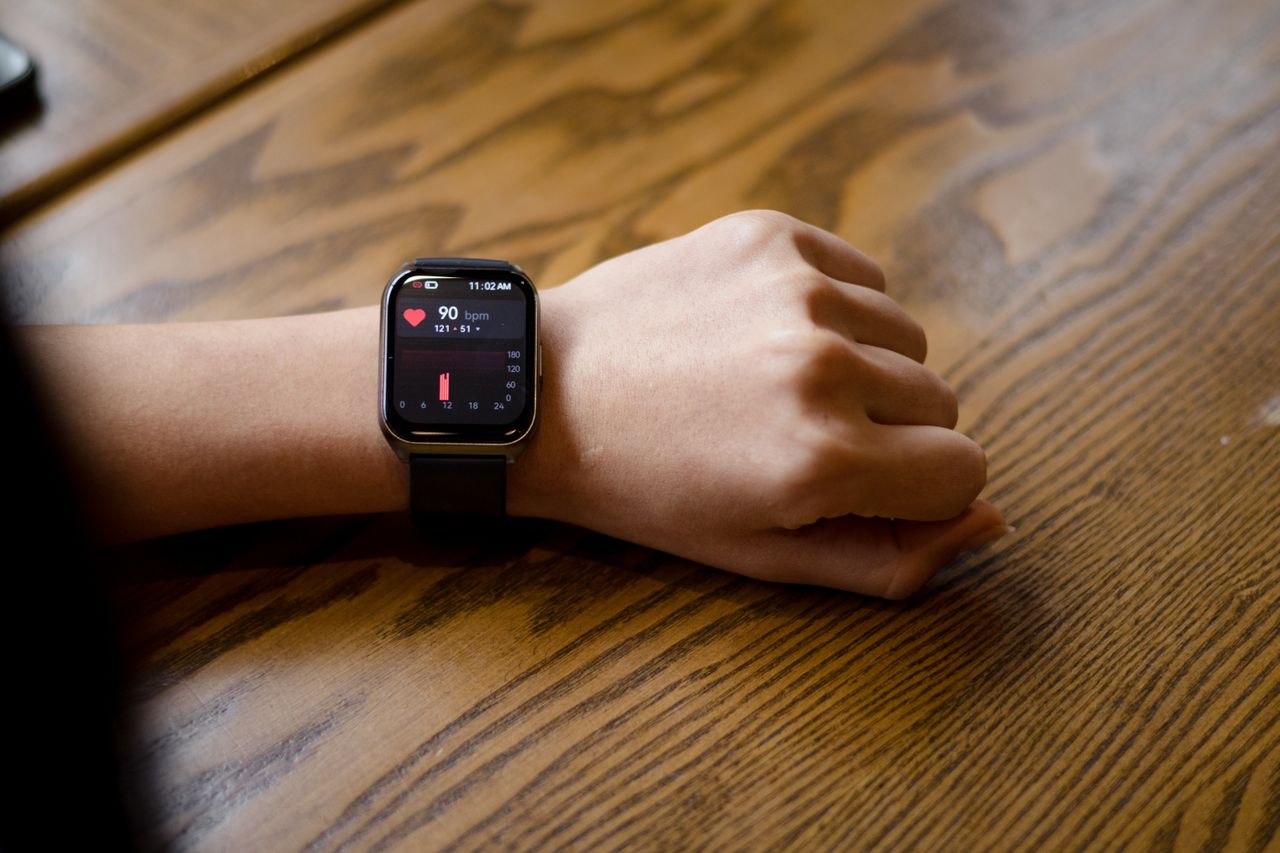
Smartwatches have moved beyond counting steps and measuring sleep. Many devices can now continuously track the pulse, while some can also record a single-lead electrocardiogram (ECG), offering users a glimpse into how the heart is beating during everyday life. This has raised a simple question: can a smartwatch actually detect an irregular heartbeat?
The answer is yes, but with an important qualification. A smartwatch can detect a pattern that may indicate an irregular heart rhythm, especially atrial fibrillation, but that indication does not equal a medical diagnosis. The value is in raising awareness about a problem with rhythm that would have gone unobserved otherwise.
What happens when the watch detects something unusual?
Most smartwatches use a light-based sensor to measure changes in blood flow at the wrist. This technology, called photoplethysmography or PPG, tracks the timing of heartbeats and looks for patterns that do not appear regular. Some watches also allow users to take an ECG by touching the device with a finger, producing a short recording of the heart's electrical activity.
This can be useful for detecting atrial fibrillation, a condition in which the upper chambers of the heart beat irregularly. AF may cause palpitations, breathlessness or dizziness, but some people have no obvious symptoms. That makes intermittent episodes particularly difficult to catch during a routine consultation.
At the same time, an unusual reading does not automatically mean a heart rhythm disorder. Movement, a loose watch strap, changes in blood flow or occasional extra beats can affect the signal. A notification should therefore be treated as a prompt for further evaluation rather than confirmation of a problem.
Why this matters in India
The difficulty of catching occasional rhythm disturbances is not theoretical. A 2024 study published in the Indian Heart Journal analysed 24-hour Holter recordings from 23,847 Indian adults. Atrial fibrillation was detected in 17.4% of the participants, while the median duration of an AF episode was about 14 minutes. Such short episodes can easily remain undetected during a conventional clinical visit.
Consider someone who receives an irregular rhythm alert at 2 a.m. but feels completely normal after waking up. By the time the person reaches a clinic, the rhythm may have returned to normal and a standard ECG may show no abnormality. In such a situation, a smartwatch recording can give the cardiologist useful information about what happened outside the clinic.
This is where wearable technology can complement conventional cardiology. If an episode is captured at home, during sleep or while travelling, the information can help determine whether longer-term monitoring is needed.
An alert should lead to evaluation, not self-diagnosis
A smartwatch alert should prompt evaluation, not panic or self-medication. The ECG or rhythm recording should be saved, along with the time of the alert and any symptoms such as palpitations, dizziness, breathlessness or unusual fatigue.
Depending on the individual case, a cardiologist may recommend a standard 12-lead ECG, a Holter monitor or longer-term rhythm monitoring. These tests help establish what type of rhythm is occurring and how often. Current clinical guidance supports wearable data as useful information, but diagnosis still depends on appropriate ECG evidence and clinical assessment.
The watch is a monitoring tool, not a cardiologist
Wearable technology can make heart rhythm monitoring more accessible, particularly for people whose symptoms come and go. But it cannot explain why an irregular rhythm is occurring or determine what treatment a patient needs. High blood pressure, diabetes, obesity, sleep apnoea and existing heart disease can all influence the risk of atrial fibrillation and need to be assessed separately.
The most useful way to look at a smartwatch is as an early warning tool. When the device flags something unusual, the next step should be proper medical evaluation. The technology can help capture the moment; cardiology determines what that moment means.
(By Dr. Bharat B. Kukreti, Director & Unit Head, Interventional Cardiology, Paras Health Gurugram)
Disclaimer: The opinions expressed within this article are the personal opinions of the author. NDTV is not responsible for the accuracy, completeness, suitability, or validity of any information on this article. All information is provided on an as-is basis. The information, facts or opinions appearing in the article do not reflect the views of NDTV and NDTV does not assume any responsibility or liability for the same.