

)
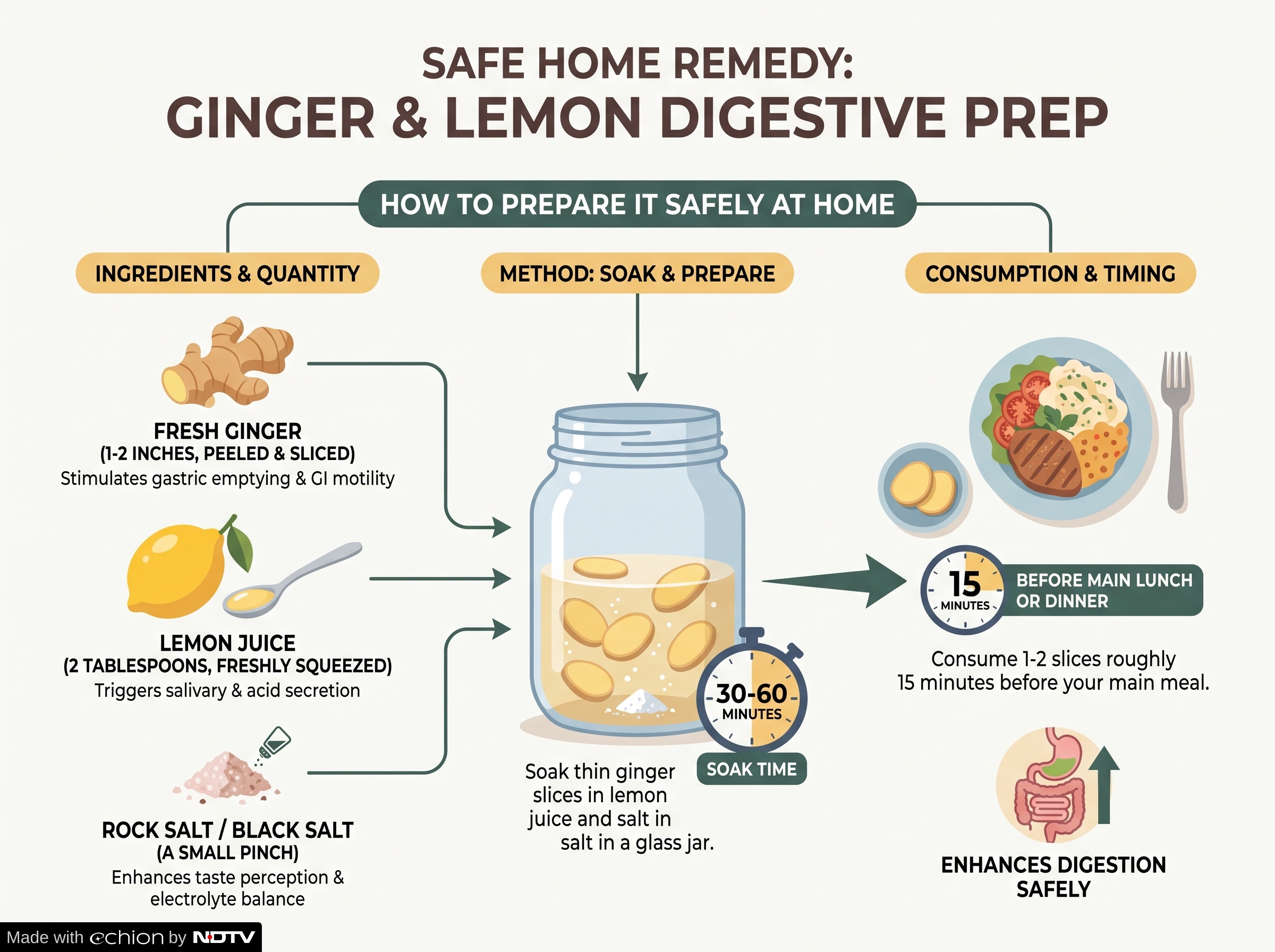
Whether recovering from a seasonal viral infection, dealing with stress, or simply navigating sluggish digestion during weather shifts, a sudden loss of appetite can feel deeply frustrating. In Indian households, the immediate traditional remedies such as a small bowl of fresh ginger slices soaked in lemon juice and sea salt, served 15 minutes before a meal. While traditional Ayurveda hails this simple mixture as an essential digestive primer (Agni activator), does modern gastroenterology back it up? Let's examine the physiological mechanisms, scientific studies, and clinical consensus behind this classic home remedy.
How The Mixture Works: The Physiology Of Appetite
The trio of ginger, lemon juice, and salt works synergistically on your gustatory and digestive systems through its bioactive compounds. Mainly, it contains active phenolic compounds primarily gingerol and shogaols that stimulate gastrointestinal motility and accelerate gastric emptying. By helping the stomach empty efficiently, ginger prevents that uncomfortable, prolonged sensation of fullness that inhibits hunger signals. Here are some additional ways to make active compounds in ginger work at providing relief for common issues:
- Salivary Priming: The acidity of lemon juice combined with sodium chloride (salt) acts as a potent secretagogue, stimulating salivary glands to produce ptyalin (salivary amylase).
- Saliva triggers a cephalic phase response, signalling the brain and stomach to start producing hydrochloric acid and digestive enzymes before food even arrives.
- Serotonergic and Vagal Regulation: Active compounds in ginger act on 5-HT3 (serotonin) receptors in the gut and vagus nerve. By dampening minor gut irritation and mild nausea, ginger clears the sensory barriers that cause food aversion.
What The Scientific Research Says
Peer-reviewed studies confirm that ginger and lemon exert distinct pharmacological effects on appetite regulation and digestive activity:
1. Gastrointestinal Motility and Anti-Anorexic Effects: Research published in Frontiers in Pharmacology demonstrated that standardised ginger extracts significantly reverse acute loss of appetite and food intake reduction by modulating serum serotonin (5-HT) levels and vagal nerve signalling.
2. Synergistic Hepatoprotective and Enzymatic Support: A study featured in Antioxidants highlighted the synergistic bioactivity of combined Zingiber officinale (ginger) and Citrus limon (lemon) juices, demonstrating how their high flavonoid and gingerol content protects gut mucosa and enhances systemic digestive enzyme production.
3. Appetite and Satiety Regulation: Clinical trials published in Metabolism Journal evaluated the effects of ginger on metabolic risk factors and subjective appetite scoring, confirming that ginger compounds actively influence gastrointestinal motility and hunger perception.
Expert Take: What A Doctor Say
While the combination is effective for mild functional indigestion, medical experts advise a balanced approach.
"Fresh ginger soaked in lemon juice and a pinch of salt can indeed act as a natural carminative and salivary stimulant," says Dr Hitendra K. Garg, Senior Consultant, Medical Gastroenterology, Indraprastha Apollo Hospitals, New Delhi. "It works well for temporary appetite suppression caused by mild dyspepsia, recovery from minor viral fevers, or dietary changes. However, it is a functional aid, not a cure for underlying systemic conditions. If loss of appetite persists for more than two weeks or is accompanied by unexplained weight loss, fatigue, or abdominal pain, you must seek a full clinical evaluation rather than relying solely on home remedies."
Who Should Exercise Caution?
Acid Reflux / GERD: The acidity of lemon combined with the pungency of raw ginger can trigger heartburn in sensitive individuals.
Gastric Ulcers or Severe Gastritis: Raw ginger can irritate raw mucosal linings.
Hypertension Patients: Keep the salt content minimal if you are on strict sodium restrictions.
Soaked ginger in lemon and salt is a scientifically backed, gentle way to kickstart a sluggish appetite caused by minor digestive delays. However, listen to your body and use it as an appetiser, not a substitute for diagnosing chronic health issues.
Also Read: Taking Diabetes Medicine But Sugar Still Spikes? Here Is Why
Disclaimer: This content including advice provides generic information only. It is in no way a substitute for a qualified medical opinion. Always consult a specialist or your own doctor for more information. NDTV does not claim responsibility for this information.