

)
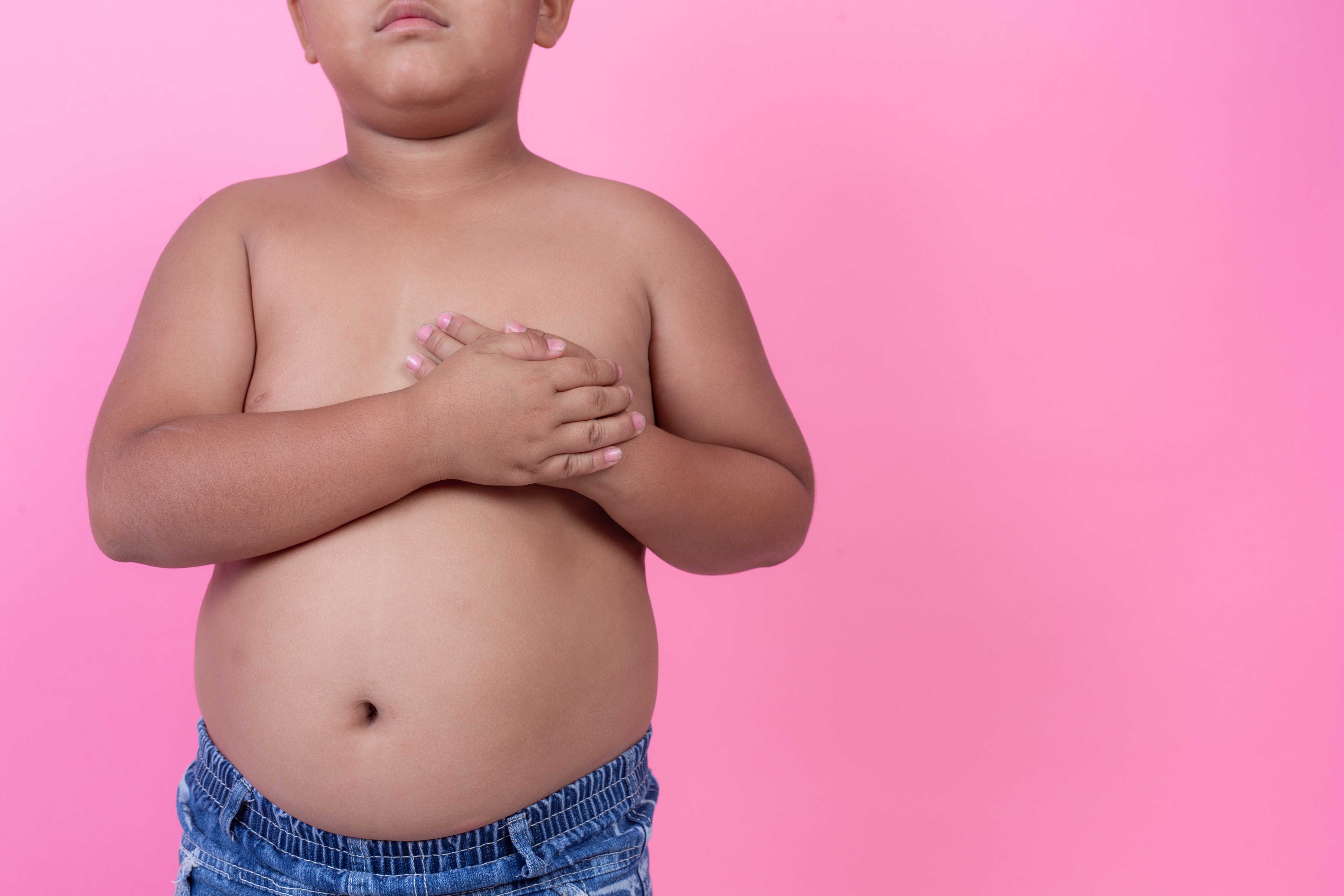
The Maharashtra government has announced a ban on the sale of junk food in schools, aiming to tackle the growing burden of childhood obesity and lifestyle diseases among children. The move targets unhealthy foods such as chips, sugary drinks, and highly processed snacks that are commonly available on school premises. Health experts say that limiting children's access to junk food during school hours could encourage healthier eating habits at an early age. However, they also stress that the ban alone will not solve the problem unless it is supported by healthy eating at home, regular physical activity, and nutrition education. Childhood obesity has become one of the fastest-growing public health challenges in India. Sedentary lifestyles, increased screen time, easy access to processed foods, and sugary beverages have contributed to a steady rise in overweight and obese children. According to the World Health Organisation (WHO), childhood obesity significantly increases the risk of developing chronic diseases later in life, including type 2 diabetes, heart disease, and certain cancers.
Can Banning Junk Food In Schools Make A Difference?
Experts believe schools play a crucial role in shaping lifelong eating habits because children spend a significant part of their day there. "Childhood obesity cases are rising rapidly across the country. Many school children are now struggling due to being overweight and find it difficult to do their daily activities with ease. Understand that the fight against childhood obesity starts long before a child even sets foot in an obesity clinic; it begins with the choices about the types of food a child eats every day. Prohibiting the sale of junk foods like chips, sugary drinks, and highly processed snacks on school premises is one of the very effective preventive measures because, during their growing years, children mainly get their food at school. Frequent availability of unhealthy food makes one consume a lot of calories and thus increases the chance of being overweight," says Dr Shashank Shah, Bariatric Surgeon, Apollo Spectra Hospital, Pune.
Health Risks Linked To Childhood Obesity
Being overweight during childhood is not just about appearance. Excess weight can increase the risk of several health conditions, including:
- Type 2 diabetes
- Fatty liver disease
- High blood pressure
- Sleep disorders
- Heart disease
- Kidney problems
- Joint problems
- Poor mental health and low self-esteem
Experts warn that obese children are also more likely to remain obese into adulthood, increasing their lifetime risk of chronic diseases.
What Else Is Needed Beyond The School Ban?
While restricting junk food availability is an important step, experts say it should be part of a broader strategy. Parents can help by:
- Packing balanced, home-cooked meals for children
- Encouraging fruits, vegetables, whole grains, and protein-rich foods
- Limiting sugary drinks and packaged snacks at home
- Promoting at least 60 minutes of physical activity daily
- Reducing screen time
- Setting a healthy example through family eating habits
Experts say Maharashtra's decision to ban junk food in schools is a positive step towards reducing childhood obesity and lifestyle diseases. However, lasting results will depend on a combined effort from schools, parents, and communities. As Dr Shah explains, "The child should eat healthy home-cooked food, exercise daily, and avoid unhealthy foods. It is easy to prevent obesity from occurring in childhood rather than dealing with it in later life, and this particular decision has the potential to protect an entire generation from lifestyle diseases and maintain an optimum weight."
Disclaimer: This content including advice provides generic information only. It is in no way a substitute for a qualified medical opinion. Always consult a specialist or your own doctor for more information. NDTV does not claim responsibility for this information.