

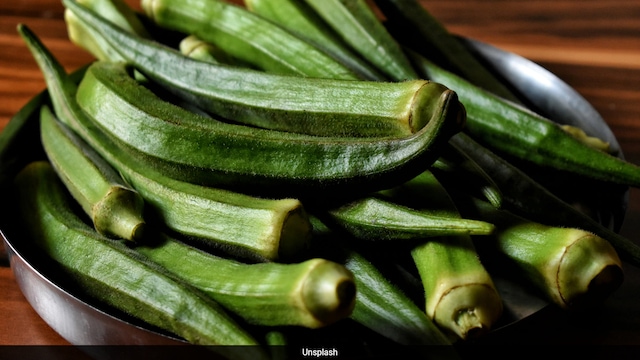
Okra, also known as bhindi, is a common vegetable in Indian kitchens. From simple bhindi ki sabzi to crispy fried okra, it can be cooked in several ways. While it is loved for its taste and versatility, its slimy texture is something many people try to avoid. But what if that very texture is one of the reasons to include this vegetable in your diet?
Okra contains a type of soluble fibre that forms a gel-like substance when mixed with water. This substance, called mucilage, is responsible for the vegetable's sticky texture. Soluble fibre is known to support digestion and bowel movements. It can also play a role in gut health and cholesterol management. This makes okra more than just another vegetable to add to your meals.
Dr Saurabh Sethi, MD, MPH, a gastroenterologist trained at AIIMS, Harvard, and Stanford University, has shared an Instagram post explaining why okra's slimy texture may actually be beneficial. Here's what he said and how it works.
How Okra May Benefit Your Gut And Cholesterol
1. It can support digestion
Dr Sethi explains that okra's mucilage contains soluble gel-forming fibre, which can support digestion and bowel regularity. Fibre helps add bulk to stool and supports its movement through the digestive system. Eating enough fibre can also help prevent constipation.
2. It may support your gut microbiome
The gut microbiome refers to the community of microorganisms living in your digestive tract. Dietary fibre can help support these microbes, some of which use it as food. Including fibre-rich foods such as okra in a balanced diet can contribute to better gut health.
3. It may help with cholesterol management
Dr Sethi also highlights an interesting finding from laboratory and animal studies. These studies suggest that okra may bind bile acids and help the body remove more of them through stool.
Bile acids are made by the liver using cholesterol and help the body digest fats. When more bile acids are removed, the liver may use more cholesterol to make new ones. This is one way soluble fibre can help lower cholesterol levels.
However, these findings do not mean that eating okra alone will lower cholesterol. More human research is needed to understand its effects.
The slimy texture that puts some people off okra may actually be linked to its health benefits. Instead of avoiding bhindi because of its texture, try adding it to your regular meals.
You can enjoy it in a sabzi, roast it with spices or add it to curries.
Disclaimer: This content including advice provides generic information only. It is in no way a substitute for a qualified medical opinion. Always consult a specialist or your own doctor for more information. NDTV does not claim responsibility for this information.