

)
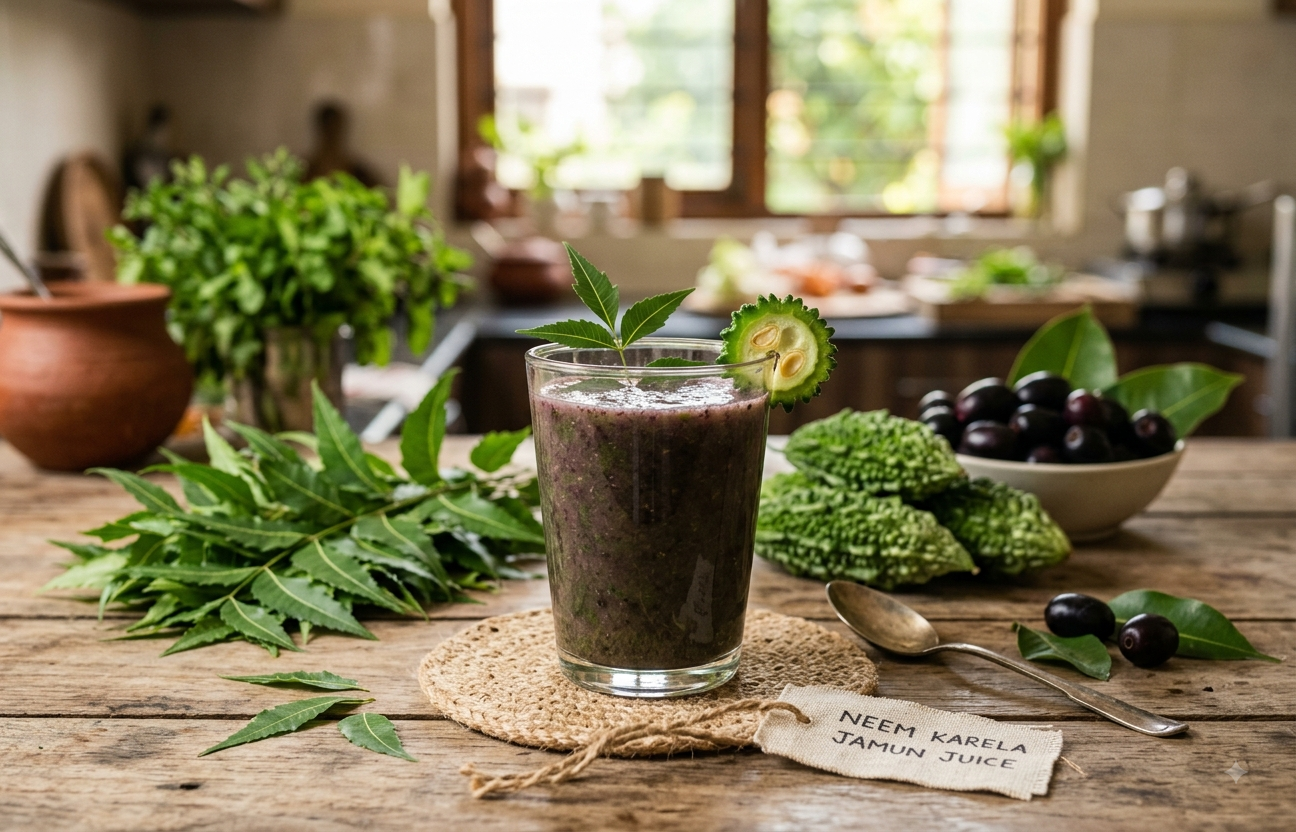
Neem, karela (bitter gourd), and jamun (Indian blackberry) juice have emerged as one of the most widely discussed natural remedies for managing diabetes and lowering elevated fasting blood glucose levels. While traditional practices and a growing body of scientific literature support the metabolic benefits of these herbal ingredients, clinical efficacy largely depends on precise dosage, preparation methods, and individual health factors. Studies highlight that specific bioactive compounds in these plants can enhance insulin sensitivity and promote cellular glucose uptake. However, experts caution against viewing a daily shot of this herbal blend as an overnight quick fix or a substitute for prescribed medical therapy.
What Is Neem Karela Jamun Juice?
Neem, karela, and jamun juice is a functional herbal formulation designed around the synergistic therapeutic actions of its primary botanicals:
- Karela (Bitter Gourd): Rich in bioactive compounds like charantin, vicine, and the insulin-like protein polypeptide-p, Karela acts directly on cellular pathways to promote glucose utilisation and support pancreatic beta-cell function.
- Jamun (Indian Blackberry): Both the fruit pulp and seed extracts contain powerful polyphenols such as jamboline and ellagic acid, which help retard the enzymatic conversion of starches into simple sugars.
- Neem (Indian Lilac): Packed with limonoids such as nimbin and nimbidin, neem leaf extracts offer potent anti-inflammatory and antioxidant properties that help attenuate insulin resistance.
Together, this triad works to modulate carbohydrate digestion, enhance tissue responsiveness to insulin, and support overall glycaemic stability.
What Does Research Say About These Ingredients?
1. Karela (Bitter Gourd) And Blood Sugar Regulation
Clinical research published in the Journal of Ethnopharmacology demonstrated that daily oral administration of fresh bitter gourd preparations (equivalent to targeted therapeutic dosages up to 200 mg/day) led to observable reductions in fasting blood glucose among Type 2 diabetic participants within 7 days. The primary drivers are charantin and polypeptide-p, which mimic endogenous insulin, aiding peripheral tissue glucose uptake.
2. Jamun And Glycaemic Control
In a study published in the International Journal of Herbal Medicine, researchers noted that targeted doses of fresh jamun extract significantly blunted postprandial glycaemic spikes and stabilised fasting glucose levels over time. The active compound jamboline acts as an alpha-glucosidase inhibitor, slowing carbohydrate absorption in the gut.
3. Neem Leaf Extract And Insulin Sensitivity
Research published in Phytotherapy Research revealed that active limonoids in neem leaf extracts, specifically nimbin, nimbidin, and azadirachtin that stimulate insulin receptor signalling pathways. Over a 2- to 4-week trial period, neem extract significantly increased glucose uptake in skeletal muscle and liver tissue while reducing systemic oxidative stress.
What Do Medical Experts Say?
Leading endocrinologists and diabetologists emphasise that while these traditional botanicals contain genuine anti-diabetic compounds, expectations must be tempered by medical reality.
Dr Anoop Misra, Chairman, Fortis-C-DOC Centre of Excellence for Diabetes, Metabolic Diseases and Endocrinology, explains, "Herbal remedies like karela, jamun, and neem have well-documented active principles that can lower blood glucose levels. However, expecting a dramatic, predictable drop in fasting blood sugar within just seven days from a single shot is a misconception. Herbal juices vary in potency and act as mild adjuncts to a healthy lifestyle as they are not rapid-acting substitutes for standard medical therapy."
Experts also caution patients against stopping their prescribed treatment under the assumption that natural means harmless.
Dr. Ambrish Mithal, Chairman and Head of Endocrinology and Diabetes, Max Healthcare, explains, "We frequently see patients who stop their prescribed oral hypoglycemic drugs or insulin in favor of raw juices, only to report back with severe glycemic spikes or unpredictable drops. Natural botanicals must be treated with the same respect as pharmaceutical drugs, as they require monitoring and medical supervision."
Can A Single Shot Lower Fasting Blood Glucose In Just 7 Days?
While clinical evidence confirms that the individual ingredients possess clear hypoglycemic properties, expecting a single daily shot of this juice to dramatically slash fasting blood sugar in just 7 days is an optimistic scenario that varies widely from person to person.
The physiological response depends heavily on internal absorption and metabolic baseline:
- Baseline Fasting Glucose: Individuals with mild elevations (prediabetes) may notice subtle shifts sooner than those with long-standing Type 2 diabetes.
- Gut Health and Absorption: Bioactive absorption rates depend on gut microbiome composition and individual digestive efficiency.
- Diet Quality and Carbohydrate Load: A high-glycaemic diet will easily overwhelm the modest glucose-modulating effects of a daily herbal shot.
- Physical Activity and Weight: Regular movement enhances tissue insulin sensitivity, working synergistically with the juice.
- Medication and Systemic Health: Concurrent use of glucose-lowering drugs alters how rapidly blood sugar shifts occur.
How Much Reduction Is Realistically Possible In One Week?
A modest decline in fasting blood glucose within a 7-day window is achievable for some individuals when juice consumption is paired with carbohydrate management, adequate hydration, and light daily exercise. However, expecting a drastic numerical drop solely from drinking a single shot is unrealistic.
Crucially, raw botanical preparations vary in potency depending on plant origin, growing conditions, strain, and freshness. For natural remedies to yield consistent metabolic benefits, establishing a standardised baseline and maintaining long-term lifestyle habits remain far more important than short-term fixes.
Can Neem Karela Jamun Juice Replace Diabetes Medicines?
No. Under no circumstances should Neem Karela Jamun juice be used as a direct replacement for physician-prescribed diabetes medications.
Pharmaceutical interventions like metformin or insulin are precisely calibrated to manage glucose regulation based on diagnostic metrics. Relying solely on herbal shots while abruptly stopping medication can lead to dangerous glycaemic spikes (hyperglycemia) or unpredictable drops.
Furthermore, combining high doses of natural hypoglycemic agents with prescription medications without medical supervision increases the risk of hypoglycaemia (abnormally low blood sugar), which can cause dizziness, confusion, or loss of consciousness.
Potential Health Benefits Beyond Blood Sugar
Beyond glycaemic regulation, this functional botanical blend provides broader systemic health advantages:
- Antioxidant Defence: High concentrations of polyphenols and flavonoids neutralise free radicals, reducing chronic metabolic inflammation.
- Digestive and Gut Health Support: Bitter compounds stimulate digestive enzymes and bile secretion, promoting gut motility.
- Lipid Profile Support: Regular consumption of karela and neem has been linked to modest improvements in total cholesterol and triglyceride levels.
- Reduction in Oxidative Stress: Helps protect pancreatic beta-cells from cell damage caused by prolonged hyperglycaemia.
Who May Benefit Most?
This functional juice blend can serve as a supportive dietary addition for:
- Individuals with Prediabetes: To help support early metabolic regulation alongside dietary interventions.
- Early-Stage Type 2 Diabetics: As an adjunct therapy under medical guidance to help improve tissue insulin sensitivity.
- Health-Conscious Individuals: Those incorporating broader lifestyle modifications, such as balanced nutrition and regular physical exercise.
Who Should Avoid It Without Medical Advice?
Certain populations must exercise strict caution or avoid this juice blend entirely unless cleared by a qualified healthcare professional:
- Pregnant or Breastfeeding Women: Neem compounds can induce uterine contractions and interfere with reproductive hormones.
- Patients on insulin or multiple hypoglycemic Drugs: High risk of severe hypoglycemic episodes.
- Individuals with Recurrent Hypoglycemia: Those prone to low blood sugar spikes.
- Patients with Pre-existing Kidney or Liver Conditions: Due to the heavy metabolic filtering required for concentrated botanical extracts.
Can It Reduce Fasting Blood Glucose In 7 Days?
Neem, karela, and jamun juice are undeniably packed with clinically backed bioactives that support healthy glucose metabolism, improve insulin receptor signalling, and reduce oxidative stress.
However, there is no scientific guarantee that a single daily shot will deliver a significant drop in fasting blood sugar within seven days.
When used safely, fresh and properly dosed neem karela jamun juice can be a valuable complementary tool that is never a standalone miracle cure. Long-term blood sugar control ultimately relies on the foundation of evidence-based medical care, a balanced low-glycaemic diet, regular physical movement, and routine health monitoring.
Also Read: Jeera Ajwain Saunf Water: Does It Really Help On An Empty Stomach?
Disclaimer: This content including advice provides generic information only. It is in no way a substitute for a qualified medical opinion. Always consult a specialist or your own doctor for more information. NDTV does not claim responsibility for this information.