

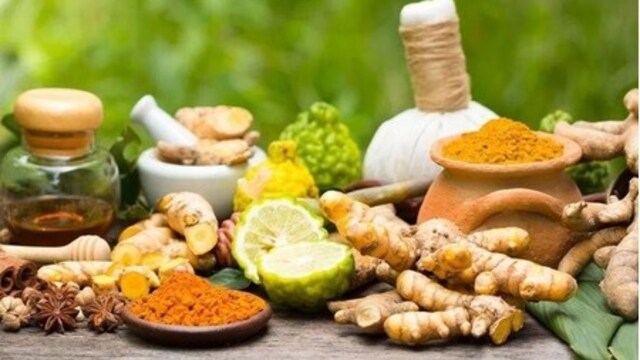
A cancer diagnosis often brings fear, uncertainty and a search for every possible treatment option. Families may turn to herbal preparations, special diets or traditional remedies, hoping to find a gentler path. The risk is not always an outright rejection of medical treatment. Sometimes, it is the decision to wait a few more weeks while trying an unproven remedy. Cancer is not a single disease. Its behaviour varies by type, stage and individual biology. Timely, evidence-based care can preserve treatment options and improve outcomes. Delaying recommended treatment may allow the disease to progress and make it more difficult to manage.
Understanding what modern cancer treatment offers
Cancer care has moved beyond a one-size-fits-all approach. Treatment is planned around the tumour type, stage, molecular characteristics and the patient's overall health. Depending on the diagnosis, options may include:
- Surgery: To remove a tumour when it is operable and surgery is clinically appropriate.
- Chemotherapy: Using cytotoxic medicines, which target rapidly dividing cells, to destroy or control cancer cells.
- Targeted therapy: Medicines designed to act on specific molecular changes that help cancer cells grow.
- Immunotherapy: Treatments that help the immune system recognise and attack cancer cells. Biomarker testing can help identify patients likely to benefit from certain forms.
- Radiation and proton therapy: Radiation uses high-energy beams to treat tumours. Proton therapy can deliver radiation to a planned depth, potentially reducing exposure to surrounding healthy tissues. It may be particularly useful in selected cases, including certain paediatric and complex tumours.
These treatments may be used individually or in combination. The aim is to select the most appropriate approach, rather than pursue a remedy based on a broad claim of effectiveness.
Natural does not always mean safe
Herbal remedies contain biologically active compounds that can interact with cancer medicines. These drug-herb interactions may change pharmacokinetics, which describes how a medicine is absorbed, processed and eliminated by the body. Depending on the ingredients, a preparation may reduce the effectiveness of chemotherapy, targeted therapy or immunotherapy, or increase treatment-related toxicity. Some supplements may also affect liver function, bleeding risk or the body's response to radiation.
Patients should disclose all supplements and remedies to their oncology team, including:
- Herbal powders, extracts and traditional preparations
- Vitamins, minerals and high-dose nutritional supplements
- Special teas, tonics and products marketed as immunity boosters
A laboratory finding is not a patient outcome
Claims of natural cancer cures often draw on studies in which a substance damages cancer cells in a dish or slows tumour growth in animals. These findings can help researchers identify promising compounds, but they do not establish that a remedy will work in people. A substance may not reach the tumour in an effective concentration, may affect healthy cells or may not produce a meaningful clinical response. Safety and benefit must be demonstrated through properly designed human trials. A promising laboratory result is a starting point for research, not proof of a cure.
READ | Most Prevalent Types Of Cancer In India: A Closer Look At Factors Like Age, Gender And Access
Complementary care has a place
Yoga, mindfulness, physiotherapy and individualised nutrition support can help manage stress, fatigue, mobility and treatment-related eating difficulties. These approaches can support quality of life, but they should complement, not replace, prescribed cancer treatment. Every supplement or remedy should be discussed with the oncology team so that potential interactions can be assessed. The distinction is important: supporting the patient's wellbeing is essential, but it must go hand in hand with treatment that has demonstrated clinical benefit.
(By Dr Ankit Jain, Senior Consultant, Medical Oncology, Indraprastha Apollo Hospitals, New Delhi)
Disclaimer: The opinions expressed within this article are the personal opinions of the author. NDTV is not responsible for the accuracy, completeness, suitability, or validity of any information on this article. All information is provided on an as-is basis. The information, facts or opinions appearing in the article do not reflect the views of NDTV and NDTV does not assume any responsibility or liability for the same.