

)
Hair fall is one of those problems that can turn a perfectly ordinary trip to the salon into a treatment hunt. Search for "best hair spa for hair fall" or "hair spa for hair growth" and you will find treatments promising nourishment, stronger roots, improved blood circulation and even reduced hair fall. But can a salon hair spa actually treat hair loss?
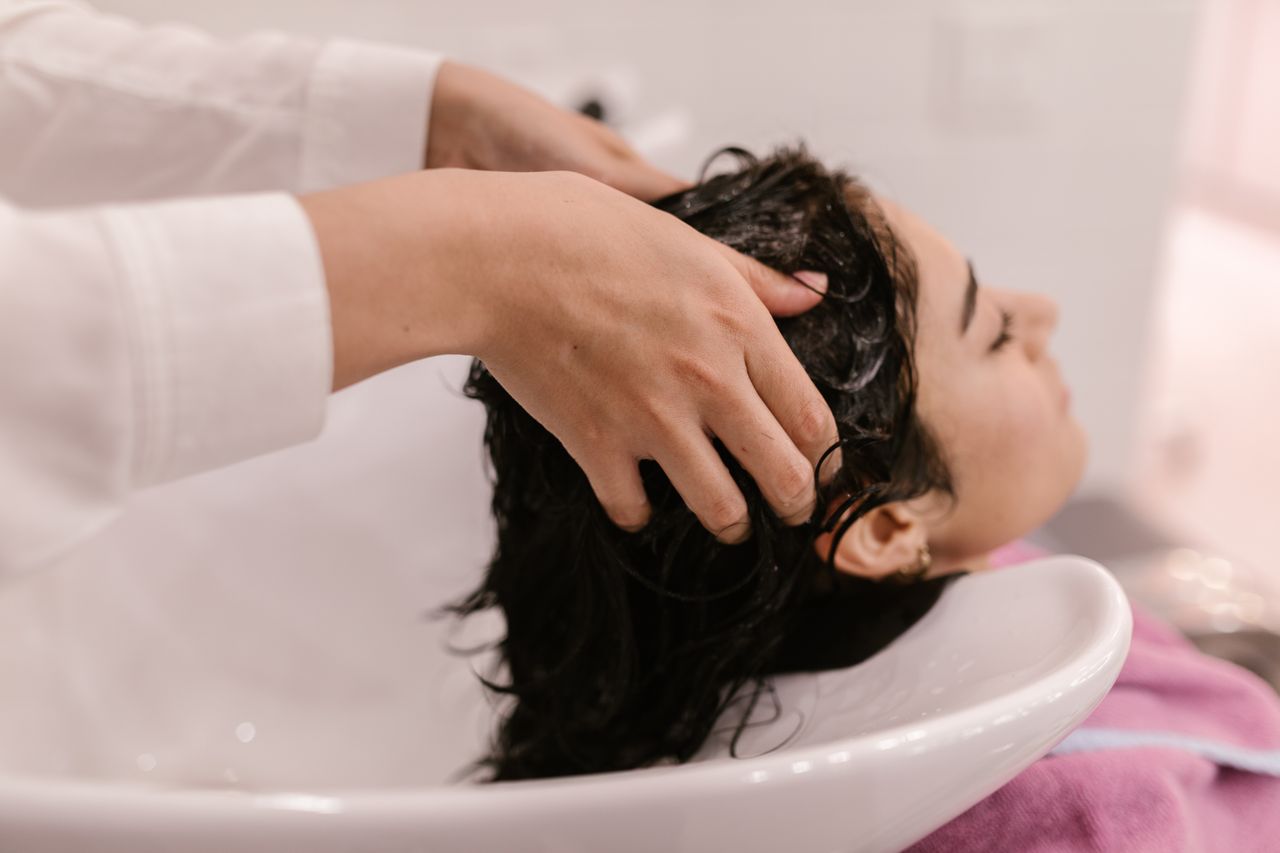
The short answer is: not usually. A conventional hair spa is primarily a cosmetic treatment designed to cleanse, condition and improve the feel and appearance of the hair. It may include shampooing, a conditioning mask or cream, scalp massage, steaming and a final rinse or styling. It can make dry or chemically damaged hair softer and easier to manage, and reducing hair breakage can make it look as though hair fall has improved.
But true hair shedding happens at the follicle and can have very different causes, including androgenetic alopecia, thyroid disorders, nutritional deficiencies, hormonal changes, illness, stress and certain medicines. Cosmetic treatments cannot address all these causes.
So before spending thousands of rupees on a "hair fall spa", it is worth knowing what the treatment can, and cannot, actually do.
Hair spa vs hair loss treatment: Know the difference
There is an important distinction between hair shedding and hair breakage. Shedding means a hair has been released from its follicle. Breakage means the hair fibre has snapped somewhere along its length. A conditioning treatment can potentially improve the latter, but it does not necessarily stop the former.
A review of hair cosmetics published in International Journal of Trichology notes that shampoos, dyes and straightening products can alter the hair fibre, remove lipids and affect its protein structure. Improper cosmetic practices can contribute to breakage, traction and scalp irritation.
This is why someone may notice fewer broken strands after a conditioning treatment without actually treating the underlying cause of hair loss.
What does a typical hair spa actually do?
Although salon protocols vary, a conventional hair spa may involve:
- Deep cleansing with shampoo
- Application of a conditioning mask, cream or ampoule
- Scalp massage
- Steam or heat treatment
- Rinsing and conditioning
- Blow-drying or styling
The immediate benefit is generally cosmetic: smoother, softer, shinier and more manageable hair. The massage may also feel relaxing, and there is limited research suggesting that mechanical scalp massage could influence hair thickness. In a small study of nine men, four minutes of standardised scalp massage daily for 24 weeks increased measured hair thickness. However, the study did not establish that a salon hair spa treats common forms of hair loss, and its tiny sample size means the findings cannot be used to recommend salon spas as a hair-loss treatment.
A later survey of people performing a specific, intensive scalp-massage routine reported perceived stabilisation or regrowth in some participants, but it was retrospective and self-reported, so it provides considerably weaker evidence than a controlled clinical trial.
So, can a hair spa reduce hair fall?
It may reduce the appearance of hair fall caused by breakage, but it should not be considered a treatment for medical hair loss.
If your hair is dry, brittle, tangled or repeatedly exposed to colouring, bleaching, heat styling or straightening, conditioning may reduce mechanical damage and subsequent breakage.
But if you are losing hair from the roots, developing a widening parting, receding hairline, bald patches or progressively thinner hair, a spa is unlikely to address the underlying problem. In such cases, the priority should be finding the cause.
What chemicals are hiding in a hair spa?
"Chemical-free" is a marketing term worth treating cautiously. Water, oils, plant extracts and proteins are chemicals too; what matters is which ingredients are present, at what concentrations and how they are used.
Hair-spa products can contain surfactants such as sodium laureth sulfate, conditioning agents, silicones, fragrances, preservatives and other cosmetic ingredients. A dermatology review of shampoos and conditioners notes that some products can cause scalp irritation or allergic contact dermatitis in susceptible people.
Ingredients associated with particular concern depend on the treatment. A basic conditioning spa is very different from a service that also involves straightening, relaxing, perming or colouring.
Those chemical processes can alter the structure of the hair shaft. Research using scanning electron microscopy has found greater structural damage in hair exposed regularly to bleaching, dyeing or straightening compared with untreated hair.
A review of cosmetic ingredients has also highlighted potential skin toxicity and sensitisation associated with some ingredients used in hair products, including cocamidopropyl betaine and certain other surfactants and chemical agents.
The US Food and Drug Administration has additionally documented consumer reports of hair loss, hair breakage, itching and rashes associated with some hair-cleansing products. This does not mean that ordinary hair spas are inherently dangerous; it underlines why people with sensitive scalps should know what products are being applied.
How much does a hair spa cost in India?
There is no standard national price. Cost depends on the city, salon, hair length and density, product brand and whether steam, specialised masks, ampoules or other add-ons are included.
Indicative salon pricing in India can range from around Rs 800-Rs 1,500 for basic services to Rs 2,000- Rs 3,500 or more for premium treatments, although prices vary substantially by location and salon.
Before booking, ask:
- What exactly is included in the quoted price?
- A low advertised price may cover only the basic treatment, while serum, ampoule, specialised mask, blow-dry or other services can increase the final bill.
- More importantly, do not assume that the most expensive "anti-hair-fall spa" is the most effective treatment for hair loss. There is currently no good evidence that a premium salon package can replace diagnosis and medical treatment for alopecia.
When should you skip the spa and see a dermatologist?
See a dermatologist if hair loss is:
- Sudden or rapidly increasing
- Producing bald patches
- Accompanied by scalp redness, scaling, pain or severe itching
- Associated with a widening parting or receding hairline
- Continuing for several months
- Associated with fatigue, weight changes, menstrual irregularities or other systemic symptoms
Depending on the pattern and history, a doctor may examine the scalp and hair follicles and decide whether blood tests or other investigations are needed. The treatment depends entirely on the diagnosis. For example, androgenetic alopecia may require evidence-based medical treatments, while hair loss associated with nutritional deficiencies, thyroid disease, inflammation or temporary shedding has a different approach.
A hair spa can be useful as hair care, not as a cure for hair loss. It may moisturise damaged hair, improve manageability and potentially reduce breakage. A gentle scalp massage may also feel good and has some preliminary research behind it, but evidence is not strong enough to call a salon spa a hair-growth treatment.
If your concern is genuine hair shedding rather than dryness or breakage, spend your money on a proper diagnosis before an expensive salon package. And if you do choose a hair spa, ask for the product names and ingredient lists, avoid aggressive massage or excessive heat, disclose any scalp sensitivity or allergies, and be especially cautious about combining a "spa" with chemical straightening, bleaching or colouring. Healthy-looking hair and healthy hair follicles are not always the same thing.
Disclaimer: This content including advice provides generic information only. It is in no way a substitute for a qualified medical opinion. Always consult a specialist or your own doctor for more information. NDTV does not claim responsibility for this information.