

)
GLP-1 medicines like semaglutide have become widely discussed in recent years, particularly for their role in managing diabetes and supporting weight loss. As awareness grows, so does the availability of different versions of semaglutide. And this has led to an important question - are all versions of semaglutide truly the same? Semaglutide belongs to a class of medicines known as biologics. Unlike conventional drugs that are made through chemical synthesis, biologics start with a gene (a tiny instruction from nature) that is placed into living cells. These cells produce the medicine, step by step, similar to how our bodies make proteins. This method is called recombinant DNA (rDNA) technology. Because this process involves living systems, it needs tremendous attention to detail and requires strict quality checks to ensure that every dose is consistent, safe, and effective.
Biologics vs Biosimilars
Biosimilars are follow-on versions or copies of biologic medicines. An important aspect to consider is how different versions of these biosimilar medicines are evaluated and approved. Biosimilars typically follow a different development pathway compared to innovator biologic molecules. Instead of repeating the entire clinical development process from the beginning, biosimilars are usually assessed through a stepwise approach that focuses on demonstrating similarity to an already approved reference product. In many cases, this means moving more quickly into later-stage (phase 3) clinical trials, which may involve smaller patient groups, sometimes less than hundred participants, to confirm comparable safety and effectiveness. Earlier stages of development rely heavily on laboratory and analytical studies to establish similarity. In contrast, semaglutide as an original molecule has been evaluated in extensive clinical programs with more than 50 clinical trials conducted across multiple therapy areas and involving over 18 thousand patients globally, including thousands of patients in India. This has helped build a broad understanding of its long-term safety and efficacy.
Original biologic medicines undergo an elaborate clinical development journey, starting from early-stage (Phase 1) trials through to larger Phase 2 and Phase 3 studies. This process is designed to establish safety, dosing, and effectiveness across different patient populations and, in some cases, across multiple indications. Both pathways are guided by regulatory frameworks and are designed to ensure that approved treatments meet established standards of quality, safety, and effectiveness. However, the depth and type of evidence generated can differ, which is an important consideration in clinical decision-making.
Why manufacturing process also matters
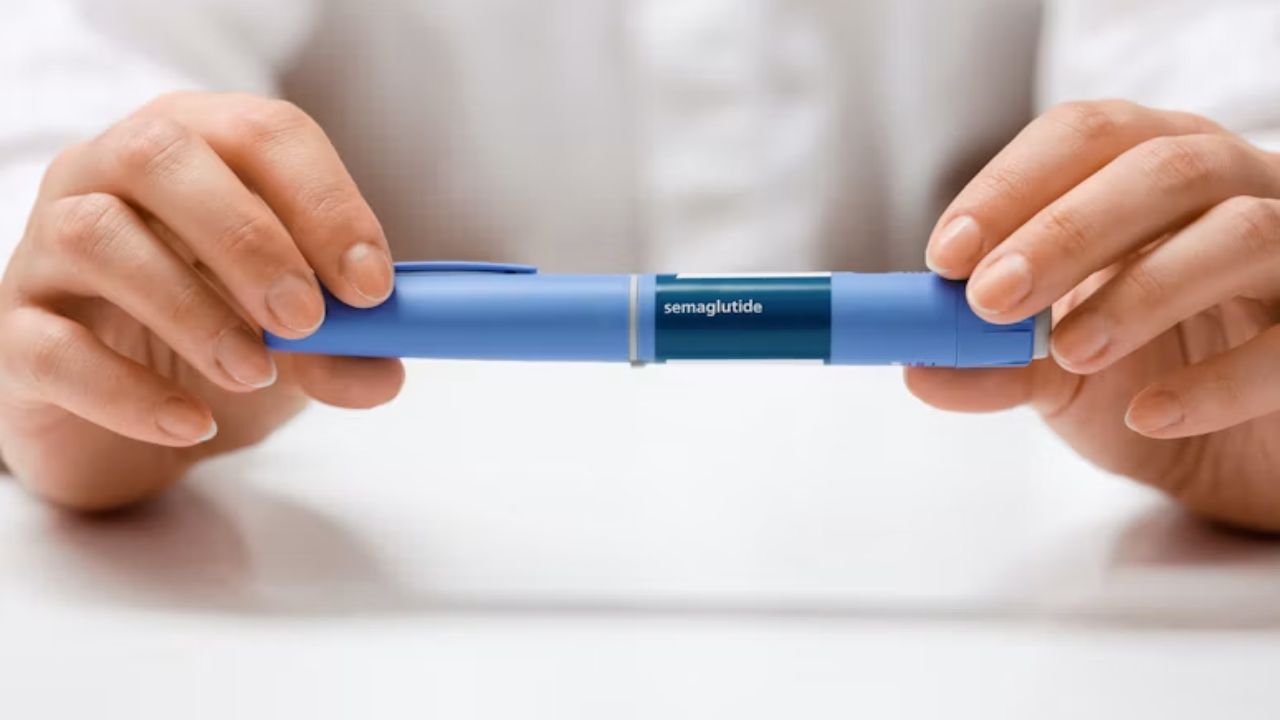
Peptide-based biologic medicines like semaglutide are sensitive to environmental conditions such as temperature, device and packaging, storage and handling. They can degrade, aggregate, or lose effectiveness and quality if not manufactured and stored under tightly controlled conditions. Another important consideration is the delivery system. Many semaglutide formulations are administered through injection pens, where the compatibility between the drug formulation and the device plays a critical role in ensuring accurate dosing and ease of use.
Equally important, but less talked about, is the issue of impurities. Research published by Pharm Res (2024) has shown that some versions of semaglutide may contain higher levels of impurities or unwanted by-products formed during manufacturing. These impurities are not part of the intended medicine but can appear when complex molecules are made, especially through chemical synthesis. In simple terms, think of impurities as substances which should not be a part of the final formulation. The study highlights that even small changes in the manufacturing process can lead to different types and levels of these impurities. For complex medicines like semaglutide, maintaining very low and well-controlled impurity levels is critical and requires advanced processes, strict quality standards, and continuous monitoring.
Role of clinical evidence
The original semaglutide was studied extensively in 50+ large-scale clinical trials and real-world settings, and has gathered 58 million patient years of exposure, providing insights into its long-term safety and efficacy, including effects on cardiovascular and metabolic health. As with any medicine, the extent of evidence are important factors for healthcare providers when making treatment decisions.
The growing availability of semaglutide underscores the importance of understanding that complex medicines are not defined by their name alone. For patients and caregivers, this highlights the need for informed conversations with doctors, focusing on what matters most for each individual, including the quality of the medicine, available clinical evidence, how it is administered, and personal health needs. In healthcare, details matter. And when it comes to biologic and biosimilar medicines, how a treatment is developed and studied can be just as important as the molecule itself.
(By Dr. Ritesh Agarwal (Dr. Ritesh Kumar Agrawala) is an endocrinologist and diabetologist practicing in Bhubaneswar, Odisha)
Disclaimer: The opinions expressed within this article are the personal opinions of the author. NDTV is not responsible for the accuracy, completeness, suitability, or validity of any information on this article. All information is provided on an as-is basis. The information, facts or opinions appearing in the article do not reflect the views of NDTV and NDTV does not assume any responsibility or liability for the same.