

)
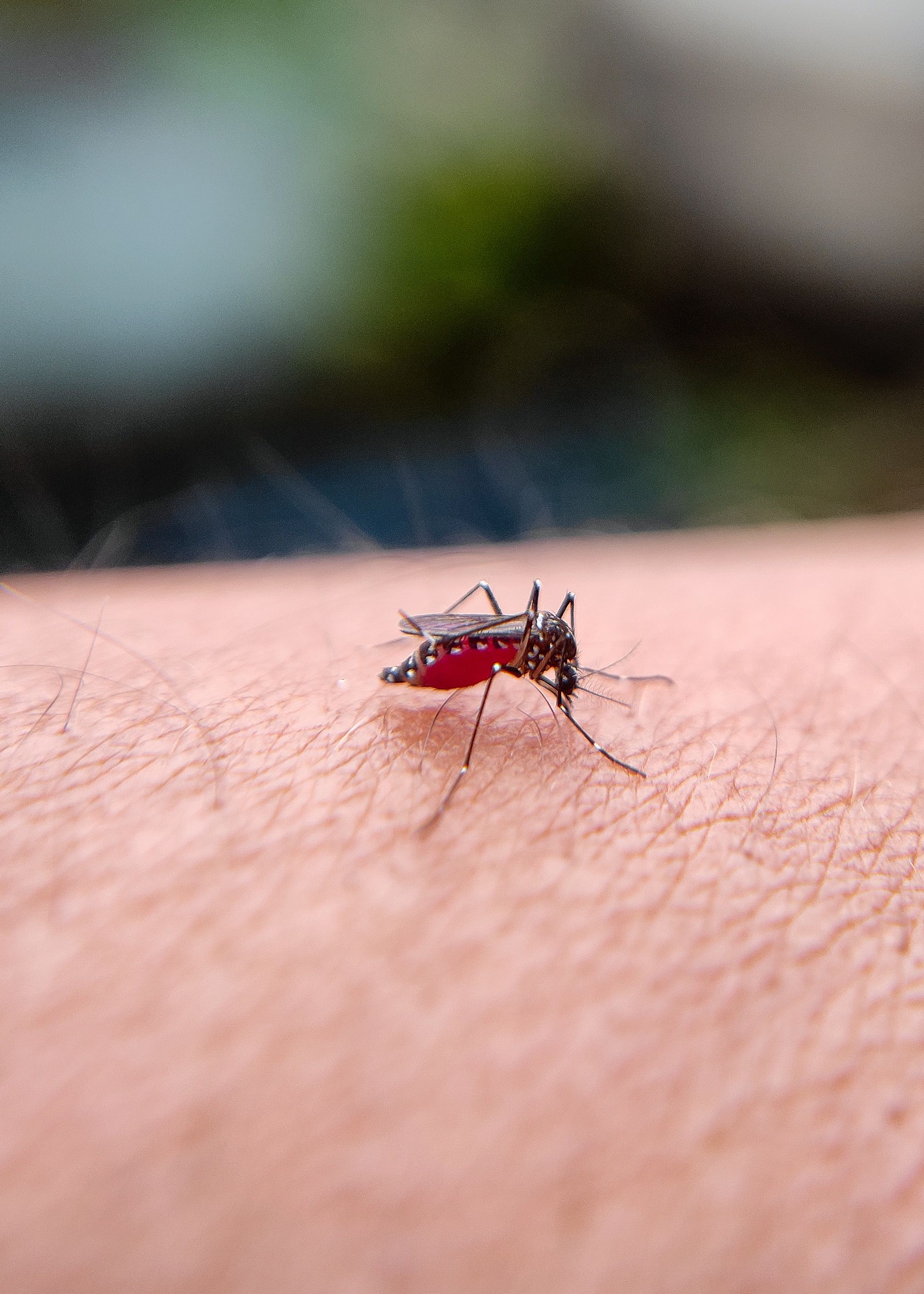
Dengue is commonly associated with high fever, severe body ache, weakness and low platelet counts. However, recovery does not always end when the fever subsides. Some patients may continue to experience symptoms such as palpitations, breathlessness, chest discomfort, unusual fatigue or dizziness. While some weakness can be expected during recovery, persistent or worsening symptoms should not automatically be dismissed as normal post-dengue fatigue. According to Dr Ravindra Shrivastava, Director, Neurology, ShardaCare-HealthCity, dengue can occasionally affect multiple systems in the body, including the cardiovascular system.
Can Dengue Affect The Heart?
"Dengue is commonly associated with fever, body ache, weakness and low platelet counts, but the recovery phase can sometimes bring other symptoms to the forefront. Palpitations, breathlessness, chest discomfort, unusual fatigue or dizziness should not automatically be dismissed as routine weakness, particularly when they are persistent or getting worse," Dr Shrivastava says. From a cardiac perspective, dengue can occasionally involve the heart muscle and may lead to complications such as myocarditis or disturbances in heart rhythm. "The infection and the inflammatory response it triggers can, in some cases, involve the heart muscle and affect its normal rhythm. However, not every patient who experiences palpitations after dengue has heart damage. Dehydration, electrolyte abnormalities, anaemia and reduced blood volume during the illness can also increase the heart rate and make a person feel weak or experience palpitations," explains Dr Shrivastava.
Why Can Palpitations Occur After Dengue?
Palpitations may feel like a racing, pounding, fluttering or irregular heartbeat. During dengue recovery, several factors can contribute to this sensation. "Patients may have had reduced fluid and food intake during the illness, prolonged fever or significant weakness. Dehydration and changes in electrolyte levels can influence heart rate. Anaemia or reduced circulating blood volume can also make the heart work harder," says Dr Shrivastava. However, persistent or irregular palpitations should be evaluated rather than self-diagnosed as a normal consequence of dengue.
Why Should Breathlessness Not Be Ignored?
Breathlessness can occur simply because a person is physically deconditioned after spending several days unwell and inactive. But the symptom can also have other causes. "Someone recovering from dengue may feel breathless because the body is still regaining its strength and exercise tolerance. But breathlessness at rest or after minimal activity is different and deserves medical attention, particularly if it is accompanied by chest pain, fainting, dizziness or a persistently fast or irregular heartbeat," he says. In some patients, fluid shifts or cardiac involvement may also contribute to breathing difficulty.
Does Platelet Recovery Mean The Body Has Fully Recovered?
"Platelet recovery is an important marker during dengue, but it should not be interpreted as proof that every organ system has completely recovered. Patients need to pay attention to how they feel even after their platelet count begins improving," explains Dr Shrivastava. This is particularly important when new symptoms appear during the recovery period.
When Should You See A Doctor?
Depending on the symptoms and clinical examination, doctors may recommend an ECG, blood tests or other investigations. "If there is a concern about cardiac involvement, the doctor may recommend an ECG and blood investigations, and in selected cases an echocardiogram or further cardiac evaluation. The appropriate tests depend on the patient's symptoms and overall clinical condition," says Dr Shrivastava.
When Is Breathlessness An Emergency?
Patients recovering from dengue should seek urgent medical attention if they develop severe or worsening breathlessness, persistent chest pain, fainting, marked dizziness, a very fast or irregular heartbeat, confusion or a sudden deterioration in their condition. "Patients should not wait for these symptoms to settle on their own. Severe breathlessness, persistent chest pain, fainting, significant dizziness or a very fast or irregular heartbeat warrant prompt medical assessment," he says.
How Should You Return To Exercise After Dengue?
Recovering patients should avoid immediately returning to strenuous workouts, particularly if they continue to experience significant weakness, palpitations or breathlessness. "Once the acute illness has settled, physical activity should be resumed gradually rather than jumping straight back into strenuous exercise. The pace of recovery differs from person to person, and persistent symptoms should be evaluated before increasing exercise intensity," advises Dr Shrivastava.Post-dengue fatigue can be common, but new or persistent palpitations and breathlessness should not automatically be attributed to weakness. "The key message is that recovery from dengue is more than watching the platelet count. Patients should pay attention to their symptoms and seek medical evaluation if palpitations, breathlessness, chest discomfort, dizziness or unusual fatigue persist or worsen. Early assessment can help identify potentially serious complications and support a safer recovery," concludes Dr Shrivastava.
Disclaimer: This content including advice provides generic information only. It is in no way a substitute for a qualified medical opinion. Always consult a specialist or your own doctor for more information. NDTV does not claim responsibility for this information.