

)
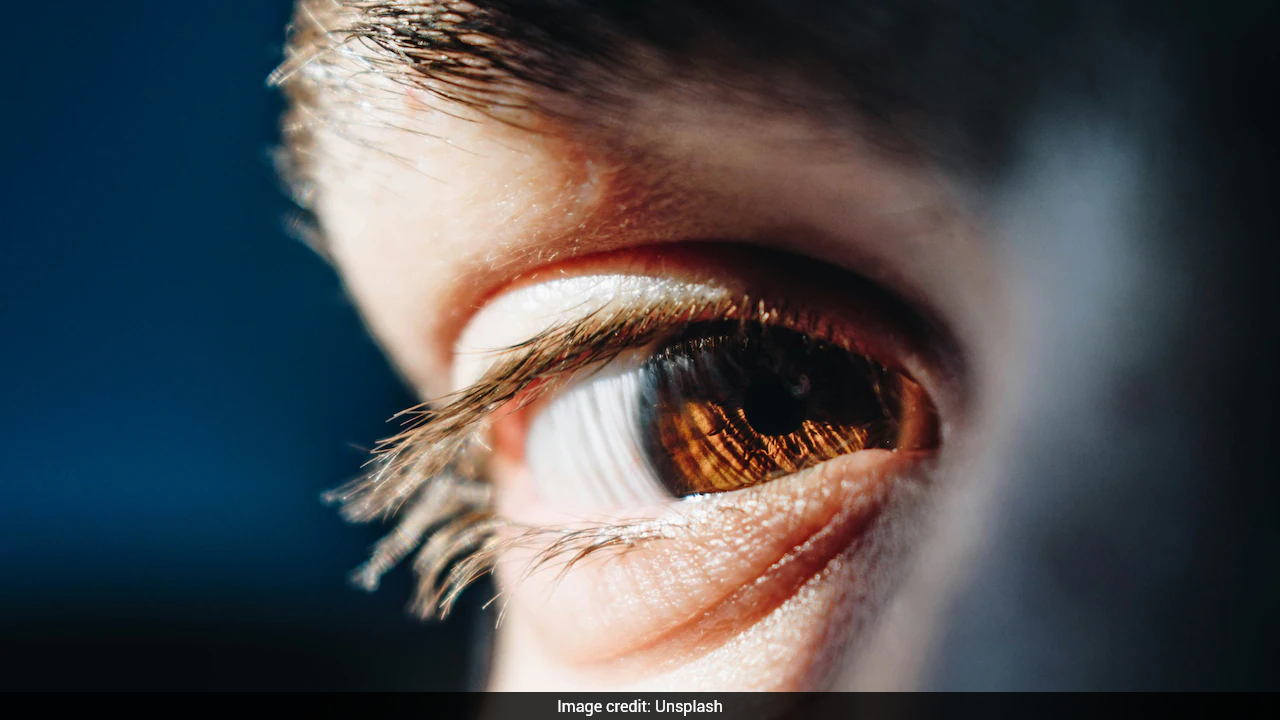
"My father used to wear glasses. "How do we give his eye?". We ophthalmologists hear this statement quite often. People disqualify themselves from eye donation due to poor eyesight, cataract, diabetes, hypertension or simply because they feel they are "too old". These assumptions are wrong. Wearing glasses for nearsightedness (myopia), farsightedness (hypermetropia) or astigmatism does not disqualify the cornea from being used for donation. Your spectacle number does not impact your ability to donate. The main transplant when we talk about eye donation is the *cornea* which is the transparent dome-shaped tissue in front of the eye. Eye donation is for the benefit of Patients with damaged / cloudy cornea. In these patients of corneal blindness useful vision can be restored.
Myths continue to block potential donors and recipients.
1. "If I donate my eyes, I will be born blind in my next birth."
This is a myth. The truth is, the selfless act of eye donation brings blessings when it cures blindness.
2. "I had cataract surgery."
Cataract surgery involves replacing the eye's natural lens with an intraocular lens, whereas corneal transplantation uses the cornea. The fact that a person has had cataract surgery or glaucoma does not automatically disqualify them from donating eyes.
3. "I have diabetes or high blood pressure."
Having these conditions doesn't automatically disqualify you from eye donation. Post-retrieval the suitability of the tissue is medically evaluated. Most often diabetes affects the retina that is not a part of the cornea used for donation.
4. "Donation will disfigure face"
This is one of the most damaging myths. Eye retrieval by trained professionals is performed with care and without disfigurement. It also does not prohibit families from conducting normal funeral rites.
5. "I'm too old to give."
Leave it to someone else to decide. No family should be discouraged from contacting an eye bank because of age. Let the specialists decide if the tissue is usable
6. "The person has not registered as a donor, so there's nothing you can do."
The families need to be informed about a person's decision/ pledge for eye donation. They have to take consent for eye donation after the death of their relative and the eye. Corneal retrieval is time sensitive so it is important to contact the eye bank promptly.
7. "Donated eyes can cure all blindness."
Unfortunately, no. Corneal transplantation can help selected patients with corneal blindness. It cannot restore vision in blindness caused by retinal, optic nerve, or neurological problems.
So, perhaps the biggest myth is thinking, "My eyes won't be useful." Don't reject yourself. Make the call and let the eye-bank team decide suitability. One donation can restore sight in two eyes, which can be life changing for the recipients. Spectacles do not make someone a poor donor. Behind those lenses sometimes lies a gift that could give sight to someone else. There is no religion that stops you from giving an eye- it is an act of service and compassion which all religions support. By donating your eyes, you give hope, dignity and a new beginning to the life of the recipient.
(By Prof. Dr. Meenakshi Y Dhar, Head, Ophthalmology, Amrita Hospital, Faridabad)
Disclaimer: The opinions expressed within this article are the personal opinions of the author. NDTV is not responsible for the accuracy, completeness, suitability, or validity of any information on this article. All information is provided on an as-is basis. The information, facts or opinions appearing in the article do not reflect the views of NDTV and NDTV does not assume any responsibility or liability for the same.