





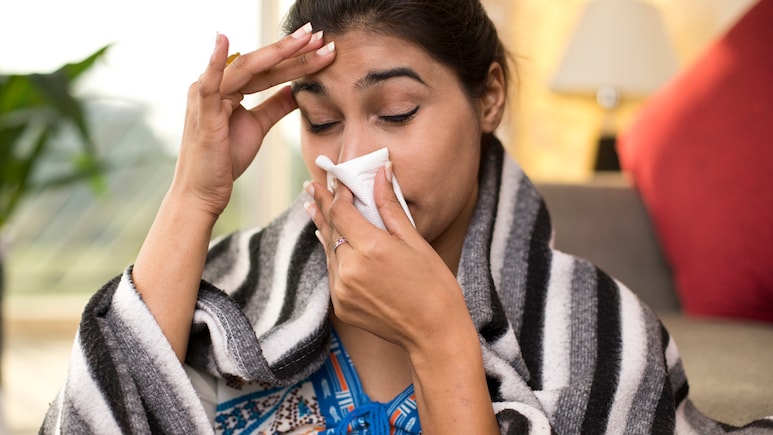
As winter sets in across India and large parts of the world, doctors routinely see a sharp rise in viral infections. Colder temperatures, low humidity, crowded indoor spaces and reduced sunlight together create ideal conditions for viruses to survive longer and spread faster. Seasonal flu, viral fever, COVID-19 variants, Respiratory Syncytial Virus (RSV) and several gastrointestinal viruses tend to circulate more aggressively during this period, increasing what studies describe as the “viral load” in the community. A viral infection occurs when microscopic pathogens enter the body and hijack healthy cells to multiply. While many viral illnesses are self-limiting and resolve with rest and supportive care, others can progress rapidly, especially in children, older adults and people with weakened immunity. The challenge is that early symptoms often appear mild or nonspecific and are frequently ignored until the infection worsens.
Recognising the early signs and symptoms of viral infections is therefore crucial, particularly during winter, when multiple viruses circulate simultaneously and infections can overlap. Timely identification not only helps in seeking appropriate care but also reduces the risk of complications and further transmission. Here are the key signs and symptoms that may indicate a viral infection and why it should not be overlooked.
6 Signs And Symptoms Of Viral Infections
1. Fever
The rise in core body temperature from the average of 97 degrees F to 99 degrees F (36.1 degrees C to 37.2 degrees C) to 38-40 degrees C (100.4 to 104 degrees F) is part of the immune response of the body. This increased body temperature suppresses virus replication and excessive inflammatory responses. When the body becomes inflamed, individuals develop a fever to suppress the multiplication of the virus strain. Here is who is at most risk for developing a fever due to a viral infection:
- Elderly individuals, who tend to have lower mean body temperatures, were shown to be at higher risk of contracting viral infections.
- Some people can have fevers due to bacterial infections, which differ from viral fevers. Their onset, severity, and treatment needs vary.
- Viral infections that are milder can resolve on their own or with certain topical medications, while bacterial infections need antibiotics for effective treatment.
2. Fatigue
Counteracting viral infections can drain the energy levels from the body as it becomes busy fighting off the viral strain. The immune system of a healthy individual gets activated when individuals have a viral infection. Healthy cells of the immune system go to fight the viral strain, and this requires a lot of energy, which can result in noticeable fatigue and weakness. Studies indicate that post-viral fatigue is a frequent outcome across multiple viral infections, with lessons applicable to long COVID.
3. Respiratory Symptoms
The respiratory system is under attack when people get a viral infection. The airways become irritated and inflamed, leading to symptoms like cough, sore throat, congestion, and shortness of breath. These symptoms are common for most viral infections like the flu, RSV, COVID, etc. When the nose and mouth are irritated due to dryness, dehydration, or any underlying illness, people become vulnerable to developing viral infections.
Read More: Flu Vs Viral Fever Vs Covid: How To Differentiate And Get The Right Treatment
4. Gastrointestinal Symptoms
The gastrointestinal system involves the stomach, intestines, and the body's waste system. When this system has a viral load to deal with along with its other primary functions, it can result in nausea, diarrhoea, and stomach pain. These deeply uncomfortable digestive signs can occur when the body is infected by viruses like norovirus, rotavirus, adenovirus, or astrovirus. These viruses enter through contaminated food, water, or surfaces. When the gastrointestinal system is under attack, the whole body's functioning is negatively impacted.
5. Skin And Aches
The outermost layer of the skin can develop a rash when people are infected with measles or chickenpox. These first signs are often overlooked, as they are considered common and brushed off as skin issues that will subside on their own. Along with skin issues like visible red rashes, viral infections can lead to aches as the cells are under attack during a viral infection. These signs occur as the body releases inflammatory molecules to fight the infection.
6. Swollen Lymph Nodes
When small lumps under your skin get bigger, then these lymph nodes are not filtering germs properly. These tiny bean-shaped glands found in your neck, armpits, and groin are clear indicators of what is going on underneath the surface. These lymph nodes act like filters, trapping germs and helping your body get rid of them. But when a viral infection hits, your body can send signals due to inflammation.
Read More: 5 Symptoms Of Poor Gut Health: Signs You Must Watch Out For
Note: If swelling in the lymph nodes lasts more than 2 weeks and they keep getting bigger or are accompanied by fever, night sweats, or unexplained weight loss. Then, people need to consult a medical professional for treatment.
Viral infections are manifest in a number of ways in the human body, from fever, fatigue, respiratory symptoms, and digestive issues to skin rashes and aches. To effectively keep viral infections at bay, people should practise preventive measures like getting vaccinated, having proper hygiene, and getting plenty of rest for quick recovery. And knowing when to consult a healthcare professional if symptoms persist for a long duration is vital for relief.
Disclaimer: This content, including advice, provides generic information only. It is in no way a substitute for a qualified medical opinion. Always consult a specialist or your own doctor for more information.
Track Latest News Live on NDTV.com and get news updates from India and around the world

