

)
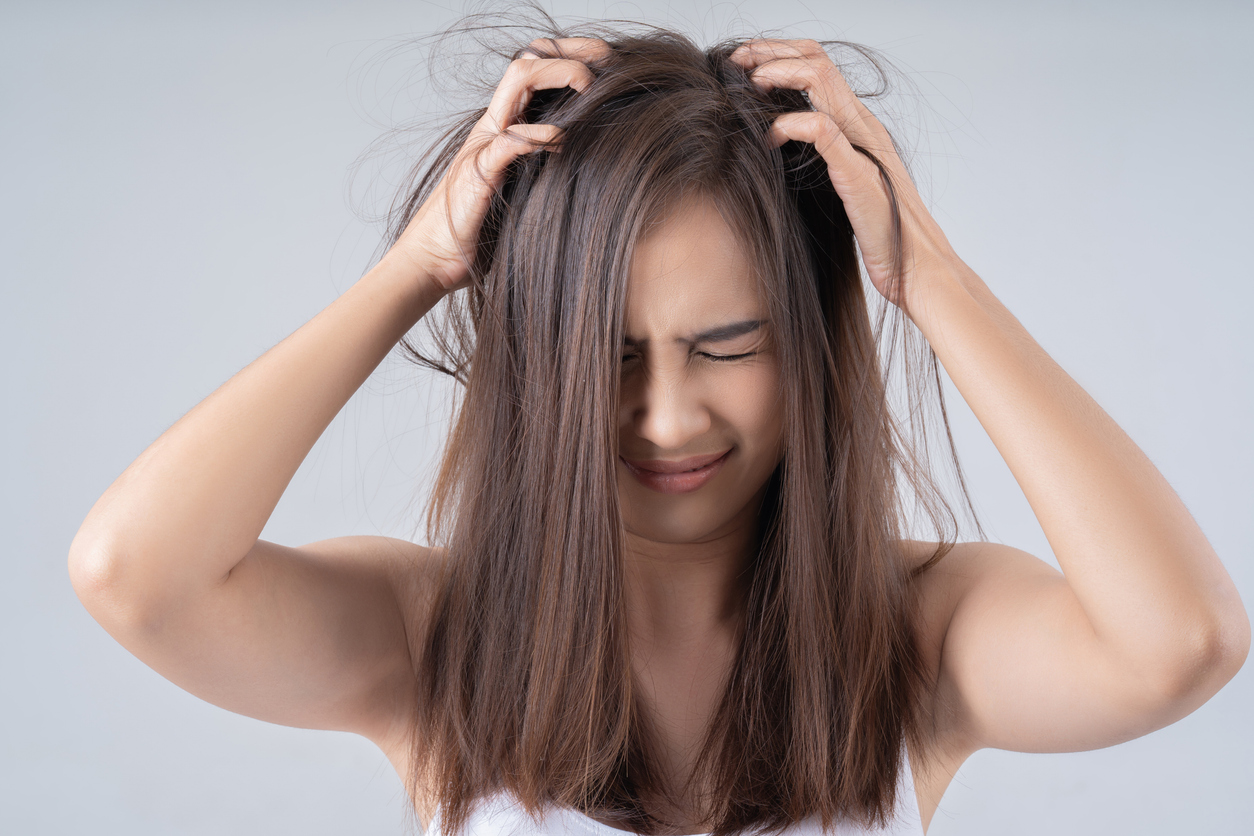
Sudden seasonal changes, increased humidity, and high levels of air pollution are common reasons why your hair may suddenly become frizzy. After dandruff and hair fall, frizzy hair is one of the most prevalent hair concerns in India. The causes behind frizz are varied and complex. It is especially common in urban populations during the monsoon season, when humidity lifts the hair cuticle, most commonly observed clinically, though not yet confirmed by large-scale surveys. Additionally, the sudden onset of rain during seasonal transitions can contribute to frizzy hair.
This change in hair texture often stems from issues with the scalp and its sensitive skin, which can suffer from temperature shocks caused by environmental fluctuations. While weather plays a significant role, factors such as nutritional intake and the daily hair products you use also influence frizz. There is a scientific basis for why your hair becomes frizzy: dry winter air causes dryness and static, and frequent covering of hair with woollen caps or stoles can worsen the problem. Moreover, urban pollution remains one of the most persistent culprits, weakening hair strands through repeated exposure.
To help you manage frizzy hair during seasonal changes, here are some effective health hacks.
5 Health Hacks To Tackle Frizzy Hair During Seasonal Changes
1. Use Sulphate-Free Shampoos
If you are regularly shampooing your hair with products that contain sulphates, then your scalp can become dry depending on your skin type. This dryness often leads to frizzy hair, so it is advised that shampoos should be sulphate-free, as these shampoos can stop the stripping of natural oils, helping to smooth hair follicles and reduce overall dryness. But while some people may benefit from sulphate-free shampoos, they are not suitable for everyone. Due to the variation in the genetic, environmental, and nutritional makeup of hair. Here are some practical tips to avoid frizzy hair. If you are confused about whether sulphate-free shampoo will work for you, it is better to do a test and keep these tips in mind:
- Use a sulphate-free shampoo for at least one week, and notice the difference in the hair texture to assess whether it works for your hair or not.
- If you are someone who is allergic to sulphates in shampoos, a shampoo with strong sulphates can cause frizzy hair.
2. Apply Coconut Or Argan Oil Masks
If you are experiencing frizzy hair, then applying a protector like coconut or argan oil can make your hair texture better. Frizzy hair is commonly associated with a rough texture and needs a little extra care to make it better. Coconut oil penetrates the hair shaft to strengthen and hydrate from within. Argan oil coats the hair surface to smooth follicles and add shine to the hair strands. According to the Journal of Cosmetic Science, coconut oil reduces protein loss in both damaged and undamaged hair, making it highly effective for strengthening and reducing frizz. The Journal of Pharmacy and Pharmacology details that argan oil is rich in tocopherols (vitamin E) and fatty acids, which improve hair elasticity and reduce frizz by coating and protecting the hair shaft. Here is how you can use these hair oils for combating frizzy hair:
- Take a spray bottle and pour coconut oil into it for easy usage.
- The ratio of coconut oil will depend on your hair length; you can dilute it in another carrier oil to get two-fold benefits with one spray.
- Make sure to keep the spray bottle away from cold, damp places to avoid the temperature hardening the ingredients and changing the composition.
Read More: Dermatologist Explains 4 Natural Remedies For Winter Hair Fall And Dandruff
3. Switch To Microfibre Towels
Frizzy hair gets worse due to friction damage from hard towels that are used to dry hair after washing. Along with shampoo, conditioner, and after-hair-wash care, people need to be careful about what they are using to dry their hair. According to the Indian Journal of Dermatology, hair care research highlights that mechanical friction from rough cotton towels lifts the follicle, causing frizz and breakage. And microfibre towels, being smoother and more absorbent, reduce follicle disruption, leading to less frizz. Here is how switching to a microfibre towel can be beneficial to tackle frizzy hair:
- To effectively figure out if your towel is made of microfibre, you need to look at the tag.
- The tag should mention the material, and the feel of the towel is smooth when compared to regular cotton towels.
- A microfibre towel can absorb water very quickly, which is helpful in combatting head colds common during winter hair-washing.
- Store the microfibre towel in the cupboard, and make sure to dry it under sunlight after use to avoid microbes from ruining it.
4. Balanced Diet
Frizzy hair could also be a sign that your body may need a balanced diet, as hair strands are made up of a protein called keratin. And the hair needs a constant supply of omega 3,6, and 9 fatty acids, alongside vitamins (A, C, D, E), biotin, and minerals like zinc and iron to keep them healthy, bouncy, and voluminous. According to a Guide to Best Vitamins and Minerals for Hair Growth, iron deficiency and vitamin D deficiency are common in India and directly affect hair texture and frizz. Here are some practical tips to make sure you are eating enough for your hair:
- Go for a normal blood test to assess your exact nutrient intake.
- Consult a nutritionist to figure out the right sources that will provide you with the missing nutrients as per your blood report.
- If you are otherwise healthy but still struggle with frizzy hair, then a dermatologist can assess your scalp health to figure out the cause.
- Consuming a nutritious and well-balanced diet is the key to hair health.
Read More: Ashwagandha Benefits For Hair: How The Ayurvedic Herb Helps Hair Growth
5. Hydration And Scalp Hygiene
These two aspects are extremely important, as adequate hydration can ensure the kind of hair texture you have. Consistently hydrating every single day is important for overall health, specifically for hair elasticity and to reduce dryness. According to the Journal of Cosmetic Science, hydrated hair fibres are smoother and less prone to frizz compared to dehydrated fibres. When it comes to scalp hygiene, a clean scalp ensures natural oils distribute evenly, reducing dryness and frizz. The main cause of frizzy hair is excess styling and the use of heat products that clog follicles and roughen hair strands, worsening frizz. Here are some practical tips to hydrate and practise proper scalp hygiene:
- Keep a water bottle handy at all times, everywhere you are, to ensure a clean drinking water source.
- Wash your hair on the basis of the climate outside; make a routine that works for you and your specific hair type.
- In winter, the extreme cold temperatures affect hair-washing schedules, so washing your hair once or twice a week is more than enough.
Home Remedies And Lifestyle Tips
There are hair routines that can utilise lifestyle tips to make your hair quality better, such as:
- Aloe vera gel and fenugreek weekly hair masking can rejuvenate the roots of hair and improve overall scalp health.
- Avoid excessive heat styling; use compressed air styling tools to maintain hair strand quality while styling.
- Protective hairstyles during monsoon and seasonal changes help reduce overall hair damage.
Frizz is manageable with seasonal hacks and dermatologist guidance, but adapting your haircare routine is important.
Disclaimer: This content, including advice, provides generic information only. It is in no way a substitute for a qualified medical opinion. Always consult a specialist or your own doctor for more information. NDTV does not claim responsibility for this information.