

)
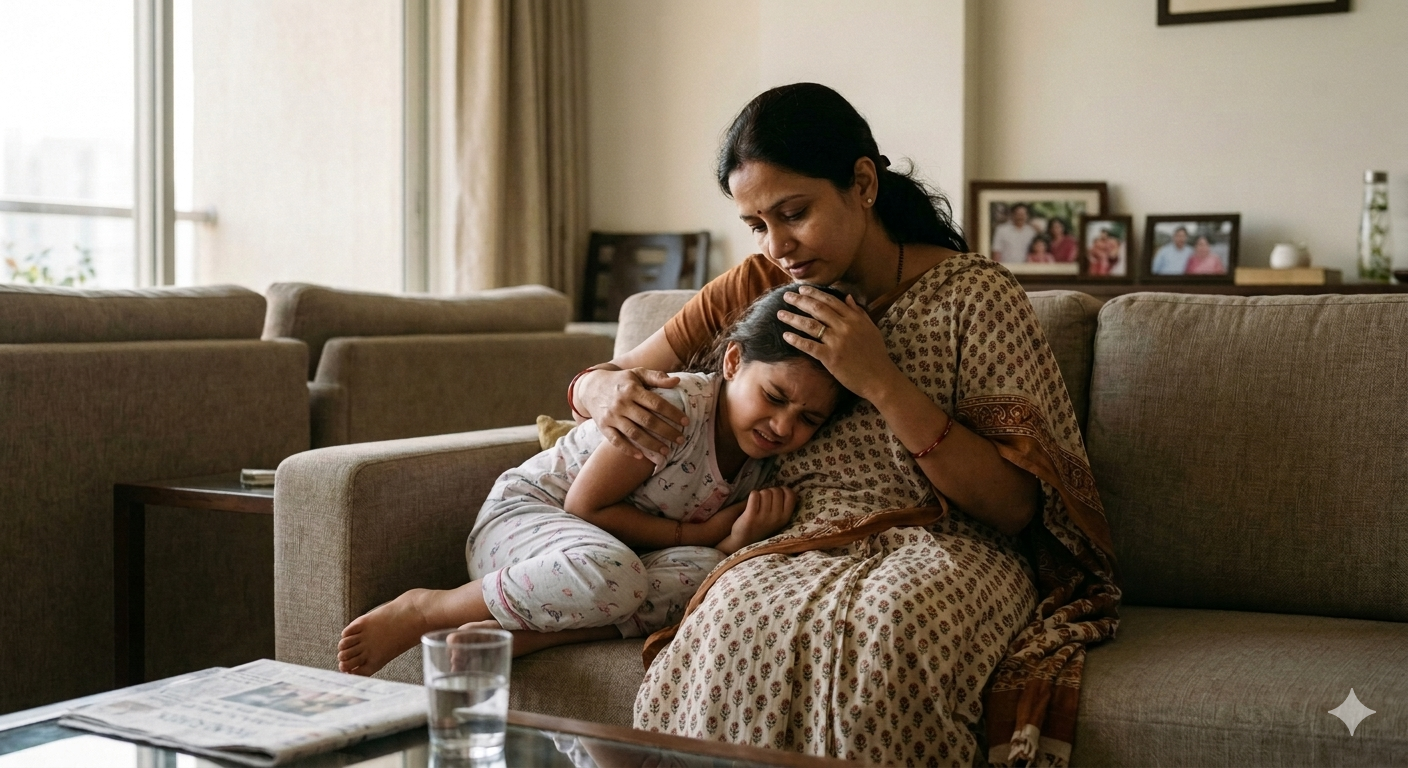
Cases of shigellosis have been reported in Keralam, with the latest one in a 3-year-old girl from Kottukal in Thiruvananthapuram district. According to a report in The Hindu, she is admitted to the SAT Hospital with the infection. The case was confirmed on August 18, 2026. Reports suggest that the child had travelled with her family to Nagercoil on August 12. On the way, they reportedly consumed some beverages from a wayside vendor. The following day, the child developed diarrhoea and vomiting and was later admitted to SAT hospital.
The report in The Hindu also states that a case of shigellosis was reported from Vizhinjam in Thiruvananthapuram on Tuesday; and three scattered cases were reported from Pazhayannur in Thrissur; Kattipara in Kozhikode and Noolpuzha in Wayanad. Health officials have shared public health warnings, urging people to be cautious about the food and beverages they consume outside their homes.
Read on to know more about Shigellosis, its symptoms, causes, risks and more.
What Is Shigellosis?
Shigellosis is an intestinal infection caused by bacteria called Shigella. It mainly affects the digestive system and can lead to diarrhoea, stomach pain and fever. The infection is highly contagious because even a small amount of the bacteria can make a person sick. Shigella usually spreads when germs from an infected person's stool enter another person's mouth, often through contaminated food, water, hands or surfaces.
Most people recover from shigellosis within about five to seven days, sometimes without antibiotics. However, some infections can become severe, particularly in young children, older or vulnerable people and those with weakened immune systems.
Symptoms Of Shigellosis
Common symptoms include:
- Diarrhoea: It may be watery, prolonged or bloody
- Fever: A raised body temperature is common
- Stomach pain: Abdominal cramps or tenderness may occur
- Frequent urge to pass stool: A person may feel the need to use the toilet even when the bowel is empty
- Weakness or tiredness: Diarrhoea and fever can leave the body feeling drained
Symptoms generally last around five to seven days, although some people can experience digestive changes for longer.
What Causes Shigellosis?
Shigellosis occurs when a person swallows Shigella bacteria. The bacteria are present in the stool of infected people and can spread in several ways. Common causes include:
- Eating food prepared by someone who has the infection
- Drinking contaminated water
- Eating raw food or produce contaminated with the bacteria
- Touching contaminated surfaces and then touching the mouth
- Caring for an infected child, particularly while changing diapers
- Swallowing contaminated water while swimming
- Sexual contact involving exposure to stool from an infected person
Who Has A Higher Risk?
Anyone can develop shigellosis, but certain groups have a higher risk of infection or serious illness. These include:
- Children under five: Young children have a particularly high chance of infection
- International travellers: Risk increases when travelling to areas where food, water and sanitation may be unsafe
- People with weakened immune systems: They may be more likely to develop severe illness
- People in crowded living conditions: Close contact can make person-to-person spread easier
- Sexually active people exposed to stool: Shigella can spread during sexual activity involving stool exposure
Possible Complications Of Shigellosis
Most people recover without major problems, but complications can occasionally occur. These include dehydration, bloodstream infections and reactive arthritis. Reactive arthritis can cause joint pain, eye irritation and painful urination after the infection. Seizures have also occasionally been reported in young children with shigellosis, usually alongside high fever or other abnormalities.
How To Prevent Shigellosis
Good hygiene is one of the most effective ways to prevent infection.
- Wash hands: Use soap and water after using the toilet, changing diapers and before eating or preparing food
- Handle food safely: Keep food preparation areas and utensils clean
- Use safe water: Avoid drinking water that may be contaminated
- Be careful while travelling: Follow safe food and drinking-water practices
- Avoid swallowing swimming water: Lakes, rivers and pools can become contaminated
- Stay home when sick: Do not prepare food for others while experiencing diarrhoea
- Take precautions after recovery: People can continue shedding Shigella in their stool after symptoms disappear, so careful hygiene remains important.
Disclaimer: This content including advice provides generic information only. It is in no way a substitute for a qualified medical opinion. Always consult a specialist or your own doctor for more information. NDTV does not claim responsibility for this information.