





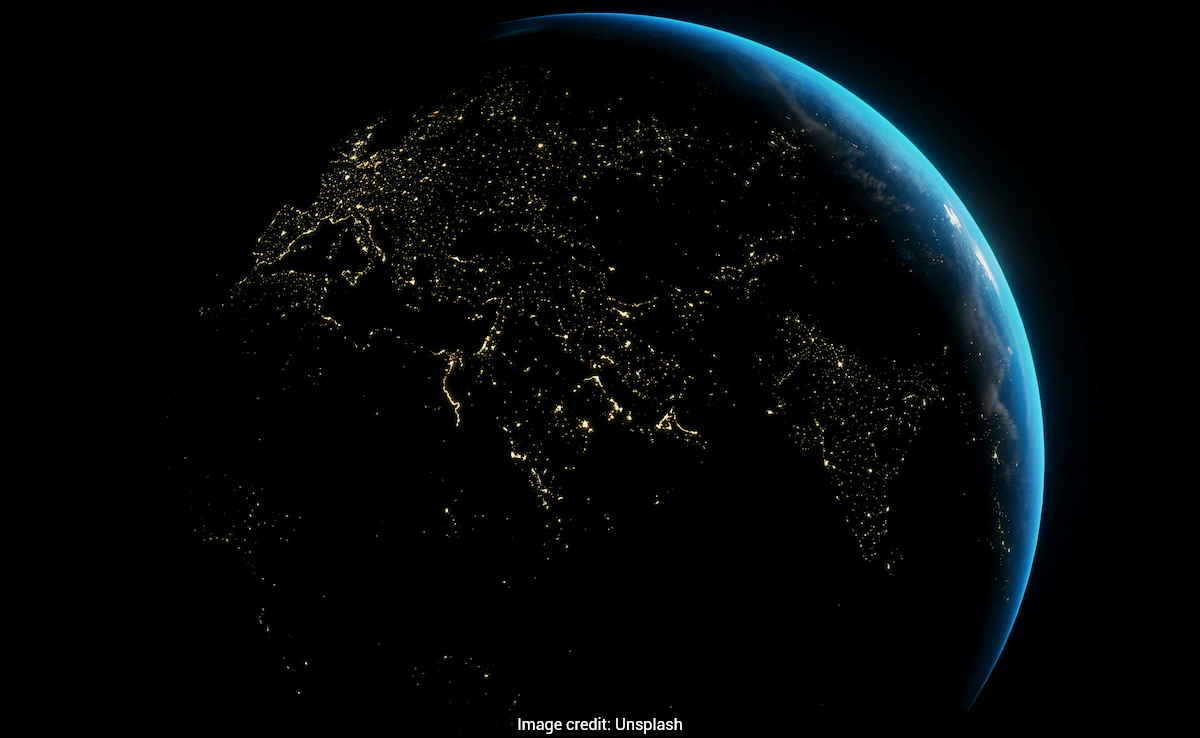
A recent analysis suggests that Earth's population (which currently stands at 8.3 billion) is putting more pressure on the planet than it can handle. Humans are using natural resources faster than ecosystems can recover. As per the findings, published in Environmental Research Letters, scientists estimate that we are using resources about 70-80% faster than Earth can regenerate. This means humanity would need around 1.7 to 1.8 Earths to sustain current lifestyles.
The study was led by Corey Bradshaw of Flinders University in Australia, and it is based on more than two centuries of population data. Historically, human population and resource use were in balance. But after the 1950s, rapid population growth, industrialisation and high consumption disrupted this balance.
"This shift marked the beginning of what we call 'a negative demographic phase,'" Corey Bradshaw, who is the lead author, said in a statement. "It means that adding more people no longer translates into faster growth. When we examined this phase, we found the global population is likely to peak somewhere between 11.7 and 12.4 billion people by the late 2060s or 2070s if current trends hold."
Also read | Indian Man Living In Wuhan Gives Apartment Tour, Rent Sparks Debate: "Cheaper Than Bengaluru"
Bradshaw further added that Earth cannot keep up with the "way in which we are using resources". "It cannot support even today's demand without major changes, with our findings showing that we are pushing the planet harder than it can possibly cope."
Exceeding Earth's limits creates ecological debt, leading to climate change, loss of biodiversity, deforestation and resource depletion.
"The truly sustainable population is much lower and closer to what the world supported in the mid-twentieth century. Our calculations show a sustainable global population closer to about 2.5 billion people if everyone were to live within ecological limits and comfortable, economically secure living standards," the professor said.
Also read | Qantas Pilot Dumps Fuel Over Ocean, Returns After Mid-Air Medical Emergency
However, population alone is not the only issue. High consumption in wealthy countries plays a major role. A smaller population with heavy consumption can cause more damage than a larger low-consuming population.
The study's findings emphasise the urgent need for sustainable practices and global cooperation to mitigate the ecological crisis. Also, stabilising population growth through education and family planning.
"Smaller populations with lower consumption create better outcomes for both people and the planet. The window to act is narrowing, but meaningful change is still achievable if nations work together," he said. "The choices we make over the coming decades will determine the well-being of future generations and the resilience of the natural world that supports all life."
Track Latest News Live on NDTV.com and get news updates from India and around the world

