





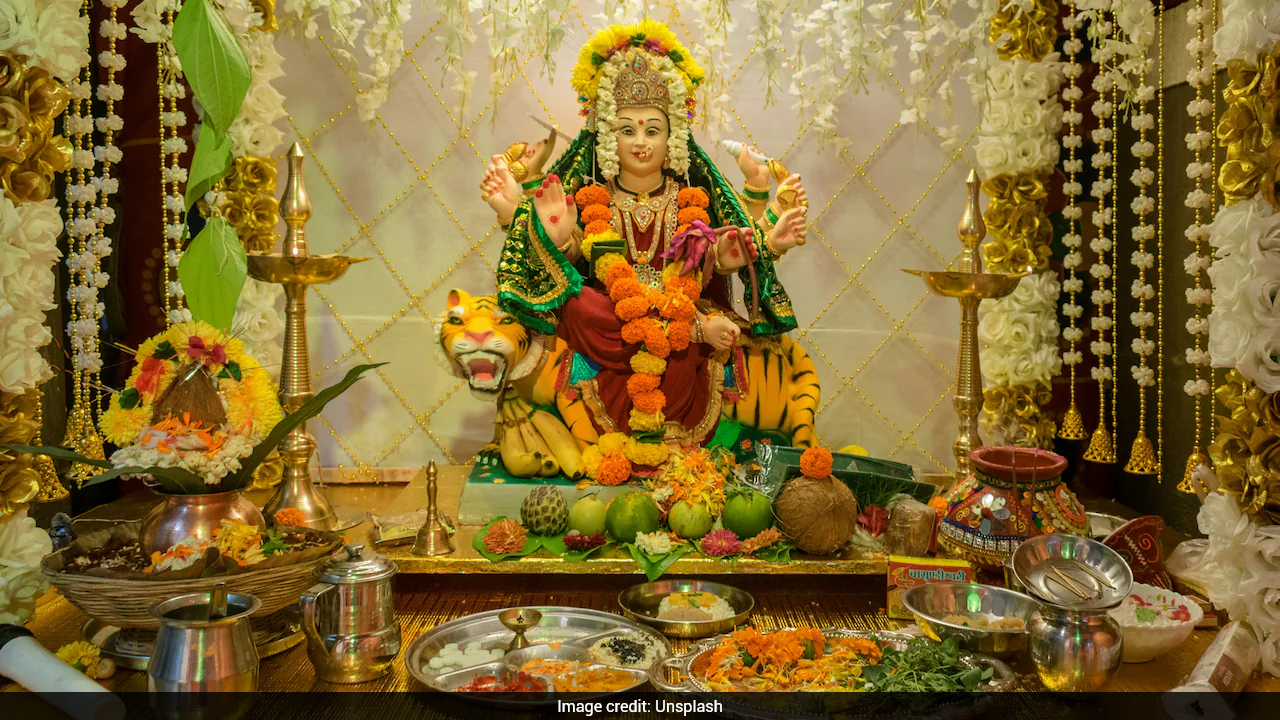
Navratri 2026: The Navratri festival is one of the most significant Hindu celebrations, dedicated to worshipping the nine forms of Goddess Durga, from Shailaputri to Siddhidatri. Devotees observe fasting, perform Ghatasthapana (kalash installation), recite the Durga Saptashati, and engage in Garba and Dandiya dances. This nine-day festival is celebrated to mark Goddess Durga's victory over Mahishasura, symbolising the eternal triumph of dharma over adharma. This year, Sharad Navratri begins on October 11 and ends on October 19, followed by Vijayadashami on October 20.
Setting up the Kalash correctly and gathering the right items ensures a smooth start to the festivities. Here is your complete guide to the exact timings, essential items, and step-by-step setup procedure for Ghatasthapana in 2026.
Ghatasthapana 2026: Shubh Muhurat and dates
This year, Sharad Navratri starts on Sunday, October 11, 2026. According to the Hindu calendar, Ghatasthapana should ideally be performed during the morning hours while Pratipada Tithi prevails. As per Drik Panchang, Shardiya Navratri Ghatasthapana is on Sunday, October 11, 2026.
The Ghatasthapana Muhurat is 06:19 AM to 10:12 AM. The duration is 03 Hours 52 minutes.
The devotees must remember that the timings are based on standard North Indian Panchang calculations. Minor local variations may apply depending on your city's exact sunrise time.
Puja Samagri List: Here's what you need
To plan better for the puja rituals, gather these items a day in advance so you aren't rushing in the morning:
- Kalash
- Tray
- Soil
- Clean garden soil
- Jau
- Clean tap water
- Gangajal
- Mango or Ashoka leaves
- Whole coconut
- Coin
- Betel nut (supari)
- Pinch of akshat
- Haldi-kumkum
- Red Mauli, or Kalawa
- Red cloth
- Red flowers, like hibiscus
- Fresh fruits and sweets for bhog
- Pure cow ghee or sesame oil with cotton wicks for Akhand diya
- Agarbatti or dhoop and camphor
For the Kalash and soil bed, you need a clean pot made of brass, copper, or clay. And a shallow earthen or metal dish.
You also need clean garden soil and sand, and a small packet of jau (barley seeds).
For the kalash, keep clean tap water mixed with a few drops of Gangajal. And also, five fresh mango or Ashoka leaves. A whole coconut with its husk intact is also required for the kalash.
Inside the kalash, put a coin, a betel nut (supari), a pinch of akshat (unbroken rice), and haldi-kumkum. Tie a red Mauli, or Kalawa, thread and a small red cloth or chunari to wrap the coconut.
You also need pure cow ghee or sesame oil with cotton wicks for diya (Akand jot). And agarbatti or dhoop and camphor. Red flowers, like hibiscus or roses, fresh fruits, and sweets for bhog are also required.
Step-by-Step Kalash Sthapana Vidhi
Clean and Prepare the Space: Wake up early during Brahma Muhurat, take a bath, and put on fresh clothes. Clean your home temple area thoroughly. Spread a clean red or yellow cloth over a small wooden stool (chowki) and place Goddess Durga's image on it.
Prepare the Seed Bed (Jau Sowing): Take the shallow earthen dish and spread a layer of clean soil. Scatter the barley (jau) seeds evenly across the dirt and cover them with a thin layer of topsoil. Sprinkle a few drops of water to moisten the soil—over the nine days, these seeds will sprout into green shoots, symbolizing growth and prosperity.
Fill the Kalash: Fill your pot with clean water mixed with Gangajal. Drop the coin, betel nut, a few grains of unbroken rice (akshat), and a pinch of kumkum into the water. Tie the red Mauli thread around the neck of the pot.
Arrange the Leaves and Coconut: Place five fresh mango or Ashoka leaves in a circle around the rim of the pot, with their tips pointing upwards. Wrap the whole coconut in a piece of red cloth or chunari, tie a thread around it, and nestle it securely in the middle of the leaves facing you.
Perform the Installation: Place the prepared Kalash right in the centre of your soil bed with both hands. Take a moment to sit quietly, join your hands, and make your solemn wish or intention (Sankalpa) for the festival.
Light the Diya and Offer Prayers: Light a ghee lamp (diya) and incense beside the setup. Offer fresh flowers, a piece of fruit, and a sweet dish to the Goddess. Finish the morning ritual by performing a short aarti with camphor.
Track Latest News Live on NDTV.com and get news updates from India and around the world

