





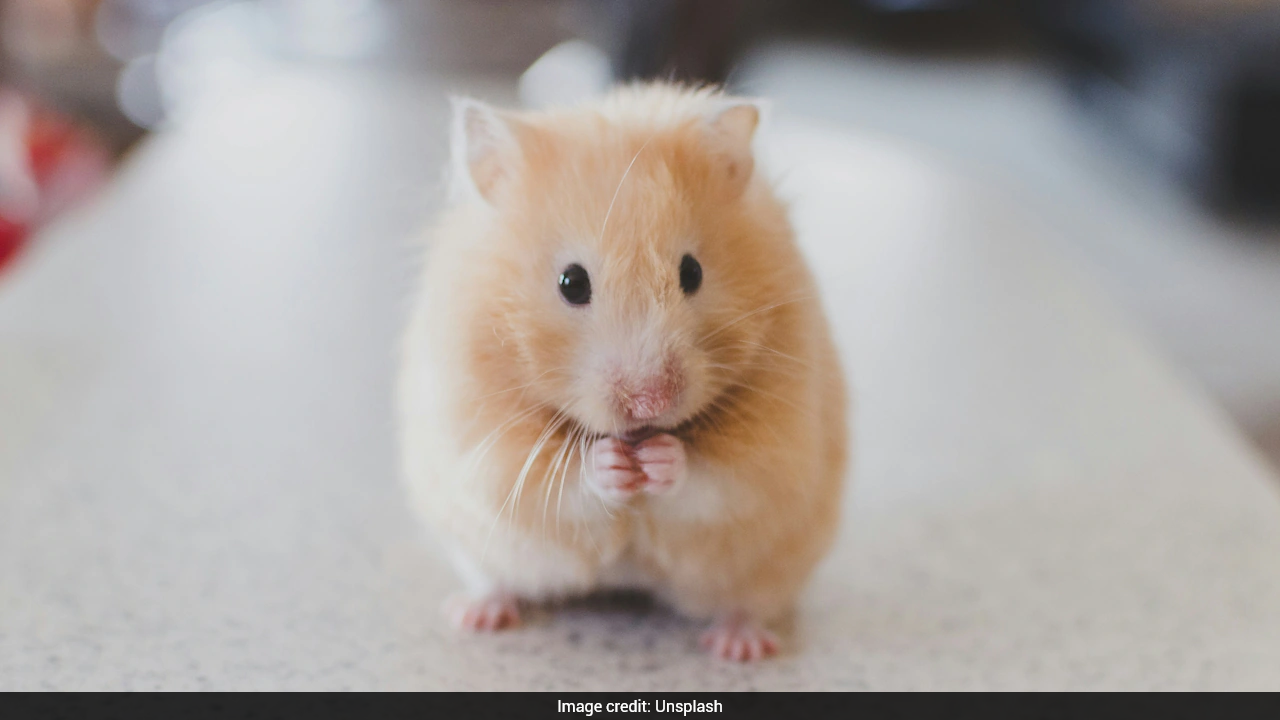
In a groundbreaking milestone in reproductive genetics, scientists have created fertile female clones from male mice in a new experiment, IFLScience reported. According to new research posted on the preprint server bioRxiv, a group of scientists in Japan achieved this "fascinating" result, which could help rescue endangered species with declining populations.
For the experiment, the team at RIKEN BioResource Research Center and the University of Yamanashi in Japan took male mice with XY chromosomes, and then used a CRISPR gene-editing technique called Y-CUT to remove their Y chromosomes. The technique is called "dual-sex cloning".
The media outlet further mentioned that these engineered embryos were then transferred to surrogate mice, which gave birth to female pups with the sex chromosomes XO, which means they don't have a Y chromosome.
Also read | Laptop Catches Fire Mid-Flight, Leaving Five Passengers With Burn Injuries
While speaking to the media outlet, Dr Shogo Matoba, author of the paper, told IFLScience, "The most exciting moment was actually when the first female clone was born from a male somatic cell."
"We knew theoretically that removing the Y chromosome could produce an XO female from our IVF embryo experiments, but actually seeing female pups born from a male donor was quite remarkable," the scientists commented as quoted.
The report also mentioned that female clones have been born from male mice before as well because of the accidental loss of the Y chromosome. However, this is the first time it was done on purpose.
Also read | Chinese Man Reunites With Family After 25 Years Of Solitary Mountain Life
Why this matters for endangered species
As quoted by the New Scientist, Teruhiko Wakayama, also at the University of Yamanashi, who wasn't involved in the study, said, "It would be incredibly valuable if this were successful in species other than mice."
Species on the brink of extinction often suffer from limited genetic diversity, and in critical situations, only male individuals may remain. Hence, this technique enables the creation of females even when no living females exist in a population. Preserved male tissue samples can now be transformed into female breeding stock, helping preserve genetic diversity.
The success of this experiment suggests that conservationists could potentially apply this method to critically endangered animals, such as the Northern White Rhino, which currently has no remaining male individuals, or other species where only one sex survives.
While the experiment proves the biological concept, efficiency remains low because only a small percentage of created embryos developed into live, healthy mice.
"Y-deleted offspring are not fertile in humans and horses, and therefore this is likely to be the case in multiple wildlife species," Linda Penfold of SEZARC, a group of zoos and conservation centres based in the US, said as quoted by New Scientist.
Track Latest News Live on NDTV.com and get news updates from India and around the world

