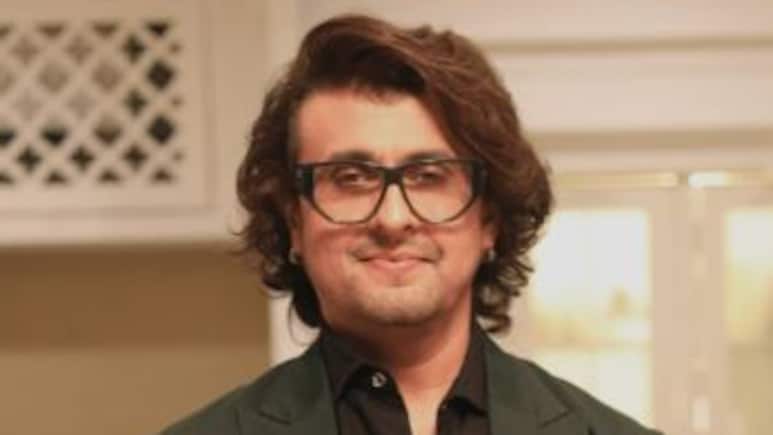
- Sonu Nigam was banned by T-Series and Zee Music after raising copyright issues
- Music labels initially withheld payments but have since changed their approach
- Sonu credits his fight to continue the legacy of late singer Lata Mangeshkar
Sonu Nigam has opened up about the fallout from his copyright battle with leading music labels. The singer alleged that he was “banned” by T-Series and Zee Music after speaking up about copyright and royalty issues. According to him, the industry has since evolved. The same companies that once withheld payments are now looking to rebuild their relationship with him.
During his appearance on Komal Nahta's podcast Game Changers: The Music Series, Sonu acknowledged that speaking up came at a high professional cost. “My time came, then it passed, and now it has come back again. It's all a matter of time. When I was at my peak, people gave me so much love. I was releasing albums, people were going crazy for them, and even my posters used to sell. Then I raised the copyright issue. T-Series banned me. Zee Music also stopped working with me. They said, 'He's become an activist,'” he said.
Sonu admitted he never expected his stand to have such far-reaching consequences. “I never thought I would be banned. I believed we would eventually resolve the issue, but things only kept getting worse. When I saw doors closing for me, I realised that while they could stop giving me songs, they could never stop me from performing on stage,” he added.
The singer further confirmed that the industry's approach has evolved considerably over the years. "Today, things have changed. Those very music labels are paying royalties to singers. We now meet with affection, sit together and even share meals. Someone had to bell the cat," he said.
Sonu Nigam described the copyright movement as more than a personal battle. He said he believed he was carrying forward a fight that the late legendary singer Lata Mangeshkar had begun but was unable to complete.
"It was as if he told me, ‘You will leave your career at its peak and take up this challenge. If you don't, no one else will have the courage.' When the laws changed, the music companies realised that Sonu had never been wrong. I hadn't asked for anything unreasonable. Then times changed, and all the music companies came back to me. Today we share a warm relationship,” he added.
In 2012, India enacted the Copyright (Amendment) Act, which gave performers stronger rights and put royalty protections in place for singers and creators. Over time, the industry has slowly begun accepting royalty payments for performers more broadly.
On the work front, Sonu Nigam is set to headline a concert at OVO Arena Wembley on August 23. Following the London show, he will take the tour home with the Revolution India Tour 2026. Kicking off in October, the India leg will travel to Bengaluru, Pune, Surat, Indore, Bhopal, Nagpur, Lucknow, Chandigarh, and Jodhpur, before drawing to a close in March 2027.
