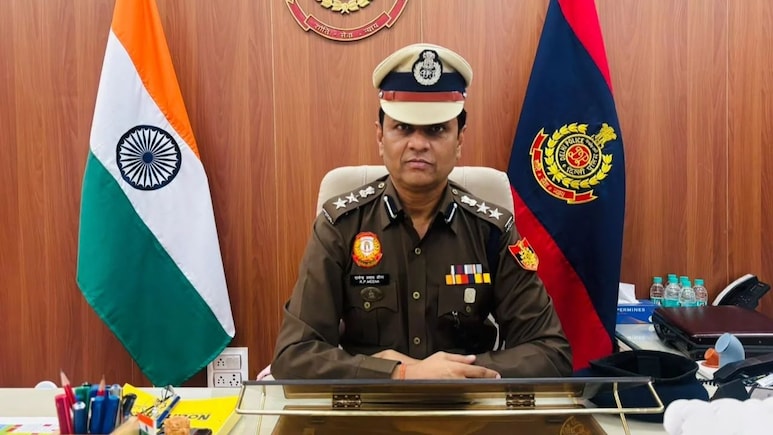

Regardless of where you come from or how limited your resources may be, determination, hard work, and perseverance can help you achieve your dreams. A modest background need not stand in the way of success if you remain focused on your goals. The journey of IPS officer Rajendra Prasad Meena, who comes from a humble farming family and rose through the ranks to become a Deputy Commissioner of Police (DCP) in Delhi Police, now posted at the capital's Shahdara district, is a testament to this.
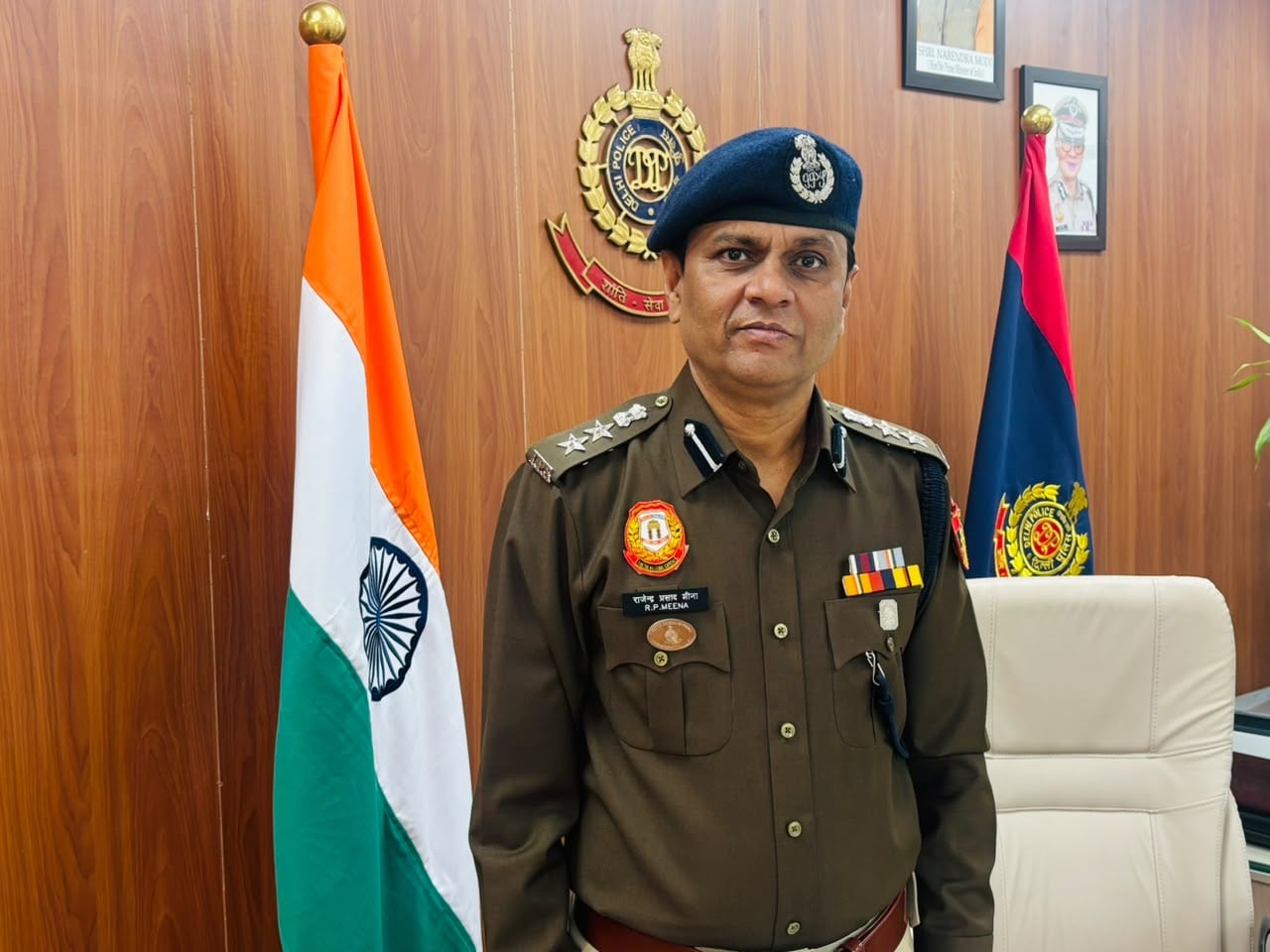
In NDTV's special series, 'Know Your DCP', Meena spoke about his journey, his experiences in policing, and the lessons he would like to share with young aspirants.
From A Village School To Higher Education
Rajendra Prasad Meena hails from Karauli, Rajasthan. His father was a farmer, and he grew up in a family of six brothers and three sisters. He completed his early education at a government school in his village before continuing his studies at a nearby government secondary school.
For graduation, he had to move to the district headquarters. After completing his Bachelor of Commerce (BCom), he pursued a Master of Commerce (MCom) from the University of Rajasthan in Jaipur. It was during this period that he began preparing for competitive examinations. He later pursued an MPhil degree while continuing his preparation for the civil services.
From RPSC To DANIPS And Eventually The IPS
Meena said he prepared for both the Rajasthan Public Service Commission (RPSC) and Union Public Service Commission (UPSC) examinations. He was selected as a Commercial Tax Inspector (CTI) through the RPSC and served in Sawai Madhopur, Rajasthan, for approximately two years and three months. He was subsequently selected for the post of Tehsildar as well.
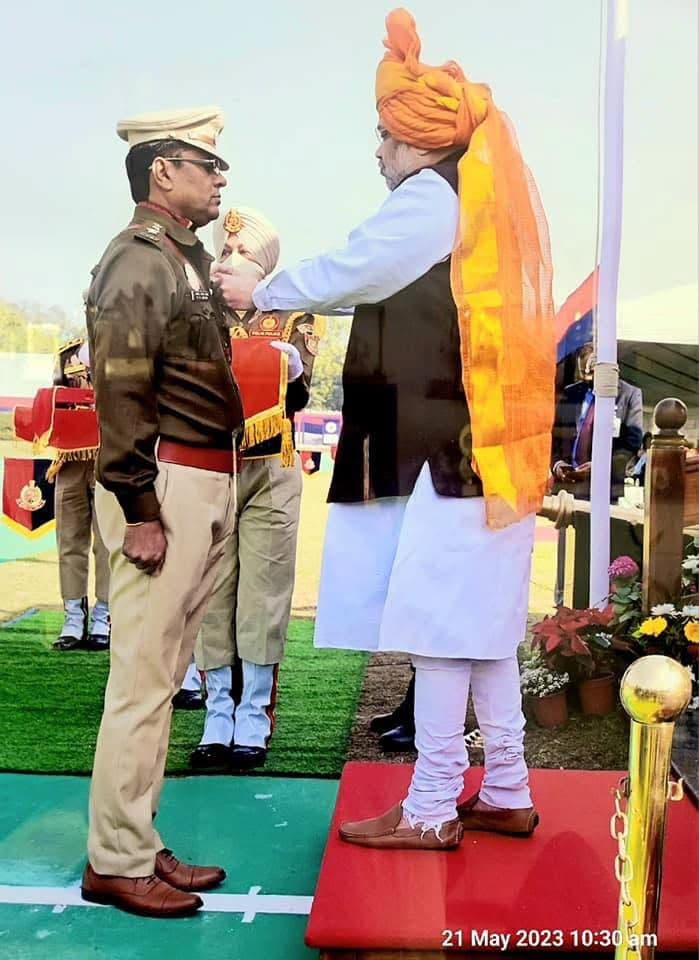
Meanwhile, he continued preparing for the UPSC examination and was also selected for the Delhi, Andaman and Nicobar Islands Civil Services (DANIPS). In 1999, he joined DANIPS training in Delhi and began his career as an Assistant Commissioner of Police (ACP) in Delhi Police.
During his career, he served in several units and districts, including West Delhi, Traffic, Operations, Delhi Cantonment, and Prashant Vihar. He later served in the Union Territories of Daman and Diu and Dadra and Nagar Haveli for approximately four years.
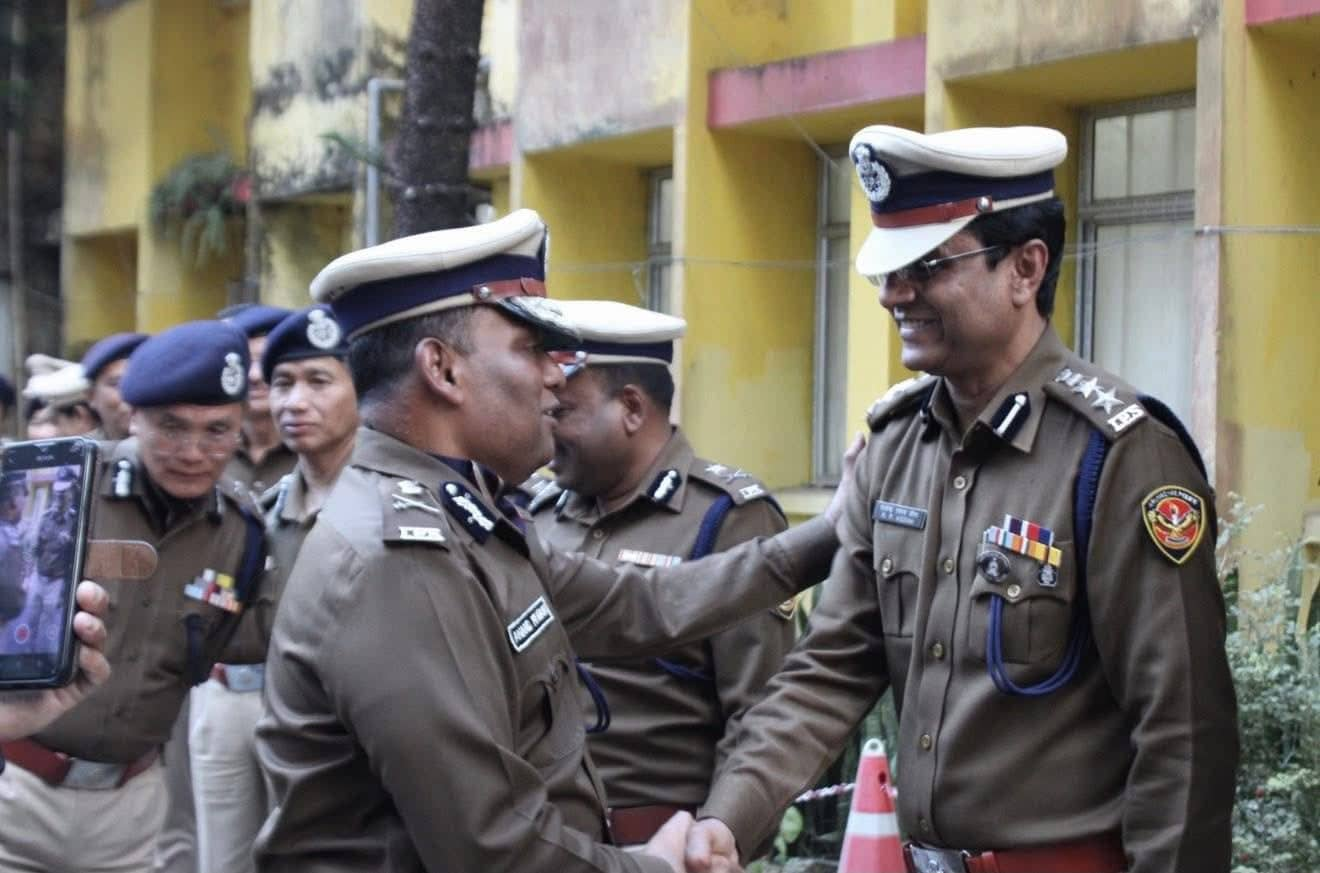
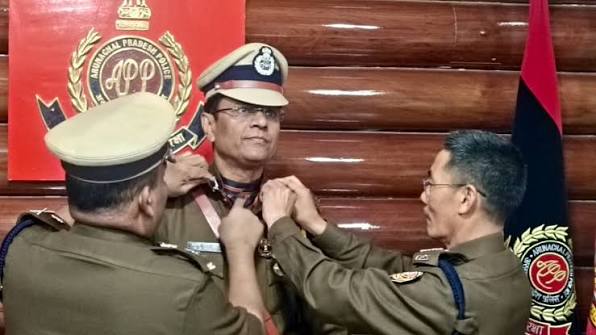
After returning to Delhi, he took up various responsibilities, including Additional DCP-2 in West District and Additional DCP-1 (Security) in Dwarka. Following a posting of approximately two-and-a-half years in Arunachal Pradesh, he returned to Delhi in January 2026. He was subsequently assigned responsibility for Shahdara district.
How Is Policing Different In Delhi And Arunachal Pradesh
Policing in a metropolitan city like Delhi and a border state like Arunachal Pradesh comes with distinctly different challenges. Sharing his experiences, Meena said the nature of crime and the pressure on the police force vary considerably between the two places.
Speaking to NDTV, he said, "In Delhi, there is monitoring every hour, every minute. The pressure of policing here is considerably higher."
In Arunachal Pradesh, however, geographical conditions pose a major challenge for the police administration. In several areas, district headquarters are located far from police headquarters, making it necessary for officers to take local geographical and administrative conditions into account while managing law and order.
How Does The Police Force Function Amid Political Pressure?
With VIP movements, political activities, and influential people being part of everyday life in Delhi, police officers often face challenges while discharging their duties. During investigations and enforcement action, some people cite their connections with senior officials or political leaders.
So, how do officers ensure impartial policing in such circumstances?
Responding to the question, Meena said police officers in Delhi have the freedom to discharge their duties in accordance with the law.
"If your intentions are right and you are doing your job properly, you will certainly be protected," he said.
According to him, officers who work within the framework of the law need not give in to undue pressure.
Are Police Personnel Investigated When They Make Mistakes?
Responding to a question about the procedure followed when complaints are received against police personnel, DCP Rajendra Prasad Meena said every complaint is taken seriously.
He explained that complaints are investigated through the prescribed procedure, and further action is decided based on the findings. If a police personnel member is found to have committed serious negligence deliberately or violated rules, departmental disciplinary action is initiated.
In cases involving minor lapses, however, the personnel concerned may be issued a warning.
Advice To UPSC Aspirants
Meena's biggest message to aspirants preparing for competitive examinations is to set a clear goal and remain committed to it. He said aspirants would face difficulties and might feel discouraged at times, but maintaining patience and perseverance was essential.
"If you have set a target and prepare honestly and sincerely towards achieving it, nothing can stop you from succeeding," he said.
He believes young people today face numerous distractions. Therefore, staying focused on their goals is more important than ever.
Focus On Limited Study Material And Discussions Rather Than Too Many Books
The vast UPSC syllabus often leaves aspirants confused, with many spending considerable time collecting an increasing number of books and study materials. Meena advises candidates to focus on a limited and carefully selected set of resources and revise them repeatedly instead of trying to read everything available.
He also emphasised the importance of discussing subjects with friends, teachers, and coaching institutes to develop a better understanding of different topics.
"Reading too much can lead to confusion. When you sit down to write, so many ideas come to mind that it becomes difficult to bring them all together," he said.
Keep Alternative Career Options Open
Many young people become disheartened when they fail to clear the UPSC or other government recruitment examinations.
Meena advised such aspirants not to lose hope, as failure does not mean the end of opportunities in life.
He said young people should choose careers based on their interests and abilities, adding that there are several opportunities to build successful careers beyond government jobs.
While continuing to make sincere efforts is important, aspirants should also assess their circumstances and remain open to alternative career paths, he added.
Family And Village Celebrate His Success In Civil Services
Recalling his days of struggle, Meena said his selection in the UPSC examination brought immense happiness to his family. Coming from a rural background, the achievement was particularly significant for them.
He said people across his village, along with neighbours and friends, shared their happiness and congratulated him on his success.
