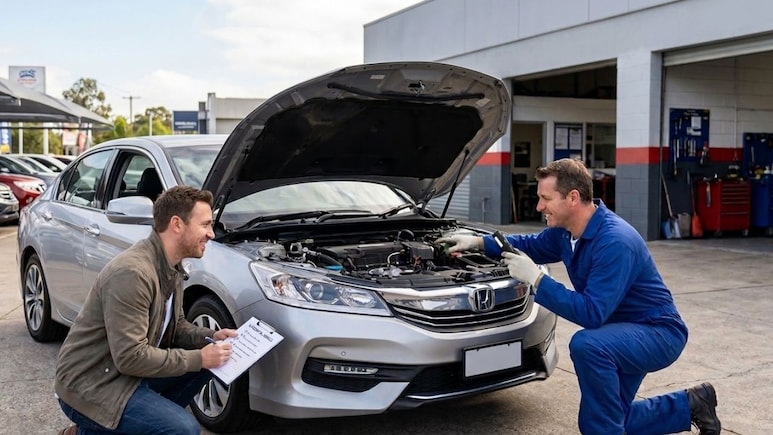
Buying a pre-owned car in 2026 can be a smart financial move, but it requires careful checks before sealing the deal. With rising fuel prices, evolving technology, and changing buyer preferences, the used car market in India is more dynamic than ever. Whether you're a first-time buyer or upgrading from your current vehicle, knowing what to look for can save you from costly mistakes.
Set A Budget
When planning to buy a used car, the first step is fixing a practical budget. In India, this should include not just the car's price but also additional expenses like RTO charges for re-registration, insurance transfer or renewal, and minor servicing. Buyers often overlook accessories such as seat covers, infotainment systems, or alloy wheels, which can add to the overall cost. A well-calculated budget ensures you don't stretch beyond your means once the purchase is complete.
-

-
 NDTV World Summit 2026: AI, Chips, Warfare And The Future Of The World | Key Conversations
 -
 Kriti Sanon On Situationships, Open Relationships And Being Old-School
 -
 'AI Scares Me': Kriti Sanon On Personality Rights And Need For Laws
 -
 'This Time I Wanted Gold': Savita Punia Reflects On Historic Asiad Success
 -
 Favourite Bollywood Actor To 5-Year Plan, Kriti Sanon Interviews AI Actor Tilly Norwood
 -
 Neeru Dhanda Carried Homemade Churma To Asiad, Returned With Two Gold Medals
 -
 Inside The Mind Of Archer Kumkum Mohod, Who Dared To Challenge South Korea
 -
 India's Golden Girls: Asian Games Champions On Sacrifice, Success And LA 2028
 -
 RBI Governor Was Asked About Tata Sons' Listing. He Read The Rulebook
 -
 "High Inflation Is Like Tax On Everyone": RBI Governor At NDTV World Summit
List Your Needs Clearly
Every buyer has different requirements, and identifying them early helps narrow down choices. Ask yourself whether the car will be used mainly for city commutes or long highway drives. Decide what matters most - fuel efficiency, cabin space, or comfort. Choosing between petrol, diesel, CNG, or electric powertrains is another crucial step, especially with rising fuel costs and EV adoption in India. Transmission preference - manual or automatic - should also be factored in. A clear checklist of needs prevents confusion later.
Market Research
Before stepping out to inspect cars, spend time researching models that fit your budget and requirements. Read reviews, check resale values, and understand common issues associated with specific models. Spare part availability and costs are particularly important in India, where maintenance affordability plays a big role. Compare prices across online platforms and local dealers to get a realistic idea of what you should pay. This groundwork ensures you don't fall for overpriced or poorly maintained vehicles.
Inspect And Test Drive the Vehicle
Photos online can be misleading, so a physical inspection is non‑negotiable. Look for rust, dents, mismatched paint, and tyre wear. Ensure all doors, windows, lights, and dashboard features function properly. A trusted mechanic should check the engine, brakes, and suspension. Once satisfied, take a proper test drive of at least 5-10 km. Drive on mixed road conditions to evaluate clutch, gears, steering, and suspension performance. This step gives you a real sense of how the car behaves in everyday scenarios.
Check Vehicle History
The first step is to understand the car's past. Accident records, insurance claims, and ownership details reveal whether the vehicle has suffered major damage. A car with hidden structural issues or poorly repaired accident damage can compromise safety. Always ask for a detailed history report or verify through authorised channels before making a decision.
Mileage Matters
Odometer readings give a fair idea of how much the car has been used. In India, average usage is around 12,000-15,000 km annually. But mileage alone doesn't tell the full story. Highway kilometres are usually less stressful on the engine compared to city driving. A well-maintained car with higher mileage can often be a better buy than a low-mileage vehicle that hasn't been serviced properly.
Also Read: Electric 3-Series Teased: BMW Neue Klasse i3 Sedan Debut On March 18 - All About It
Check Service Records And Maintenance
A car's service history is proof of how responsibly it has been maintained. Look for regular oil changes, brake checks, and scheduled servicing. Pay attention to big-ticket items like timing belt replacements or transmission servicing. Missing records should raise a red flag, as they may indicate neglect or hidden problems.
Check Insurance And Running Costs
Beyond the purchase price, ongoing costs play a big role in ownership. Verify if the insurance policy is active and transferable. Comprehensive coverage is preferable, but even third-party insurance must be valid. Factor in fuel efficiency, routine servicing, and spare part availability in your city. Some cars may require premium fuel or have higher maintenance costs, which can affect your monthly budget. Evaluating these expenses beforehand ensures you don't face surprises after buying the car.
Check Market Value And Pricing
Researching the fair price of the model you're considering is essential. Use online valuation tools or compare listings in your city to understand the going rate. Be cautious of deals that look "too good to be true" - they often hide problems. On the other hand, overpriced cars may simply reflect unrealistic expectations from sellers. Negotiating with solid market knowledge gives you the upper hand.
Also Read: Maruti 800 Transformed Into Lamborghini By Jharkhand Mechanic Goes Viral: Watch
Verify Documents And Ownership Transfer
Document checks are critical in India's used car market. Ensure the RC matches the chassis and engine numbers, and confirm the PUC certificate and insurance papers are up to date. If the car had a loan, Form 35 must be provided to show it's cleared. After payment, complete ownership transfer at the RTO by filing Form 29 and Form 30. This process usually takes 2-4 weeks, after which the new RC will be issued in your name.
Track Latest News Live on NDTV.com and get news updates from India and around the world
