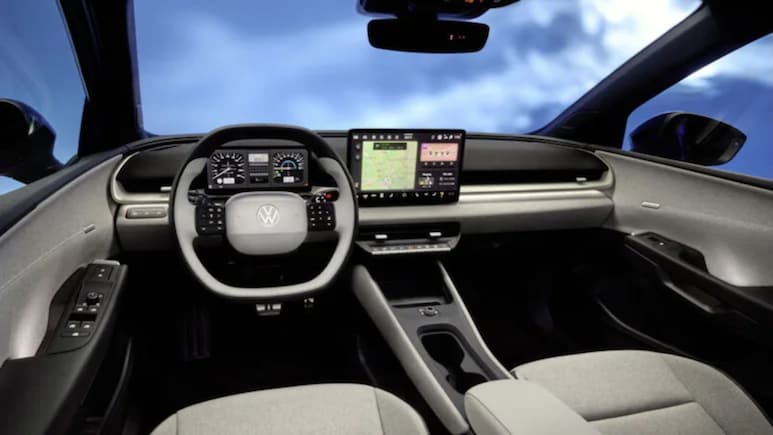
For years, car interiors have been dominated by touchscreens. From climate controls to audio settings, everything moved to digital dashboards in the name of modernity. But that era is now shifting gears. Starting January 2026, Euro NCAP's new safety standards have thrown a curveball at carmakers: physical buttons are making a comeback in 2026.
The Big Change
Euro NCAP, Europe's leading vehicle safety authority, has declared that the "touch-everything" trend is officially over-at least for manufacturers chasing a five-star safety rating. The reason? Safety. Studies show that hunting through menus for basic functions distracts drivers and increases crash risk. Physical controls, on the other hand, offer muscle memory and quicker response.
Also Read: BMW India Posts Highest-Ever Sales In 2025, SUVs Lead The Charge
What's Mandatory?
To earn top safety scores, carmakers must provide tactile controls for five critical functions:
Turn Signals
Hazard Lights
Wipers
Horn
SOS Features
These aren't optional anymore. Euro NCAP wants drivers to access these essentials without diving into sub-menus or swiping through screens.
Also Read: New Rezvani Tank Is 1000 HP Apocalypse Ready SUV
The Timeline
This isn't an overnight switch. Compliance starts at 60% in 2026 starting from January, climbs to 70% in 2027, and hits 80% by 2028. Miss these targets, and a five-star rating becomes impossible. For carmakers, this means redesigning dashboards and rethinking the "minimalist" interiors that have become a trend.
Who's Leading the Charge?
Volkswagen is already ahead of the curve. Its upcoming ID. Polo, based on the ID. 2all concept, reintroduces tactile buttons and dials, ditching the controversial haptic sliders that frustrated many users. The goal? Keep driver focus intact and improve usability.
Beyond Buttons: Visibility Matters
Euro NCAP's new rules also mandate that vital driving information-speed, assist data, and alerts-must remain in the driver's direct line of sight. No more hunting through menus or relying solely on centre screens. This could mean a resurgence of traditional instrument clusters or clever head-up displays.
Also Read: Volvo Recalls More Than 4 Lakh Cars In US Over Rear Camera Issue
India: A Different Road Ahead
While Europe is going back to buttons, India seems to be taking the opposite route. Homegrown giants Tata Motors and Mahindra are doubling down on digital-first cabins, packing their SUVs and EVs with triple touchscreens and minimal physical controls.
With Bharat NCAP (BNCAP) focusing more on crash safety than interface ergonomics, Indian manufacturers are betting big on tech appeal over tactile familiarity.
The question is: should Indian safety standards follow Euro NCAP's lead? Or will our market continue to prioritise futuristic interiors over muscle memory? For now, the touchscreen era isn't ending here-but global trends suggest that the humble button might just be the next big thing in automotive design.
Track Latest News Live on NDTV.com and get news updates from India and around the world
