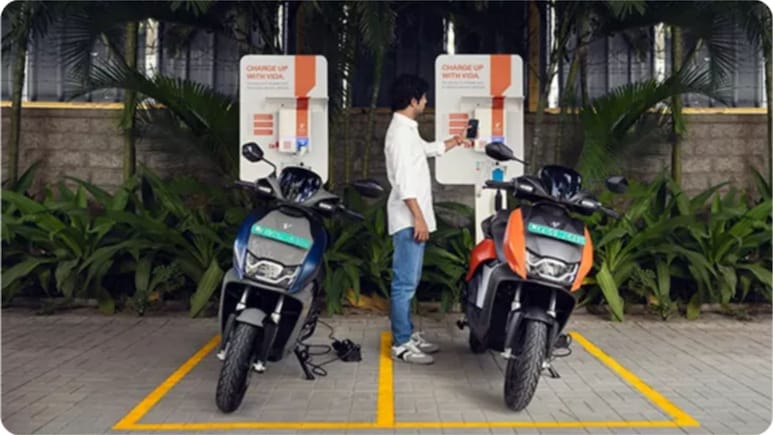
The government has revised the timelines and eligibility criteria under the PM E-Drive scheme, extending subsidies for electric vehicles in India. The updated framework provides continued financial incentives for electric two-wheelers and three-wheelers, aiming to support wider EV adoption while gradually reducing dependency on subsidies over time.
Extended Subsidy Timelines
As per reports, electric two-wheelers registered until July 31, 2026 will now be eligible for incentives, while electric three-wheelers-including e-rickshaws and e-carts-will receive subsidies until March 31, 2028. The scheme remains fund-limited, meaning benefits will continue only until the allocated budget is exhausted or the scheme's terminal date is reached.
Also Read: Ducati Superleggera V4 Centenario With 247 HP Breaks Cover
Subsidy Amount and Eligibility Criteria
According to reports, the incentive structure under the scheme has been revised. Electric two-wheelers currently qualify for subsidies of Rs 2,500 per kWh, capped at Rs 5,000 per vehicle, with the maximum ex-factory price capped at Rs 1.5 lakh. For electric three-wheelers, incentives have been rationalised to Rs 2,500 per kWh, capped at Rs 12,500 per vehicle.
The scheme aims to support around 24.79 lakh electric two-wheelers and over 39,000 electric three-wheelers, reflecting the government's focus on affordable and high-volume mobility segments.
Also Read: KTM 890 Adventure R Rally Limited Edition Unveiled
What This Means for Buyers
The extended timelines provide potential EV buyers with additional time to benefit from government incentives, effectively reducing upfront purchase costs. However, since the scheme is fund-limited, subsidies may end earlier if allocated funds are exhausted.
The government is also focusing on strengthening public charging infrastructure and expanding electric bus deployment under the scheme, which could improve the overall EV ownership experience in the long run.
With this the government is gradually reducing subsidy amounts compared to earlier phases, signalling a transition towards a more market-driven EV ecosystem. While subsidies continue to support early adoption, future growth is expected to rely increasingly on cost reductions, infrastructure development, and wider consumer acceptance.
Track Latest News Live on NDTV.com and get news updates from India and around the world
