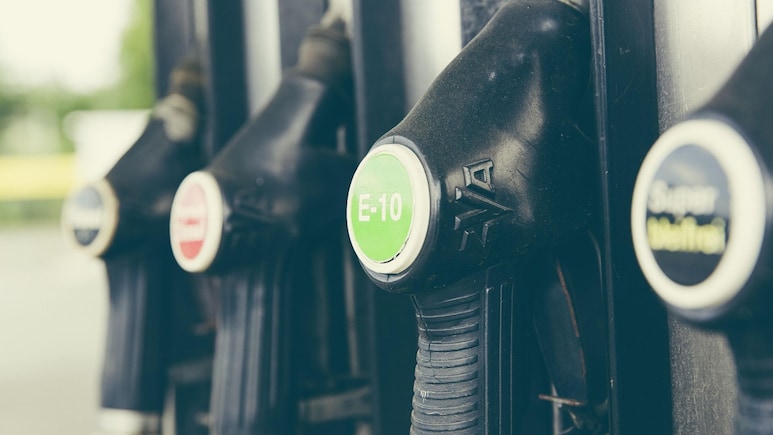
The Ministry of Road Transport and Highways has issued a draft notification proposing amendments to the Central Motor Vehicles Rules to increase blending of ethanol in petrol. The draft issued by the government includes a provision for E85 fuel (petrol with 85 per cent ethanol). Additionally, the proposal includes E100, which is essentially ethanol. Presently, the country widely uses E20 fuel (20 per cent ethanol blended in petrol), which was rolled out in April last year.
Currently under consideration, the draft notification is open for public feedback, following which the government will take a decision. With the higher blending of ethanol, the government aims to reduce dependency on crude oil, which has been the centre of discussion amid the ongoing tensions in West Asia.
Updated Terminology
The draft notification additionally suggests a revised classification for fuel that incorporates higher ethanol blends. For instance, petrol's designation will be updated from E10/E to E10/E20, while E85 and E100 will also be explicitly included in the regulatory framework. Likewise, this will apply to diesel, with biodiesel references being increased from B10 to B100 (100 percent biodiesel).
Also Read: No Future For Petrol And Diesel Vehicles: Transport Minister Nitin Gadkari
The classification of hydrogen fuel has been updated from "Hydrogen+CN" to "Hydrogen+CNG," reflecting the latest terminology. Another change involves raising the gross vehicle weight limit from 3,000 kg to 3,500 kg in certain categories under emission regulations.
Also Read: Ganga Expressway: India's Fastest Drive Yet With Audi RS Q8
What It Means For Vehicles And Buyers
For those purchasing cars, the proposed changes will not have an immediate effect, as E20 is still the prevailing standard in India. However, this draft indicates a future where flex-fuel vehicles may become increasingly prevalent. Buyers might eventually gain more fuel options, but this will also require them to pay closer attention to fuel compatibility when selecting a vehicle.
In the long term, the introduction of a higher ethanol blend could influence the pricing of vehicles, which may become relatively more expensive. If and when the rollout of E85 takes place, fuel stations nationwide will need to have separate storage tanks for regular petrol and ethanol-blended petrol, along with dedicated dispensing systems for each type.
Track Latest News Live on NDTV.com and get news updates from India and around the world
