"Lighter the weight, faster you go." It's a simple mantra - one that has powered motorsport teams to greatness for decades. In racing, trimming mass delivers far greater gains than merely adding horsepower. While more power helps on the straights, shedding weight sharpens everything else, quicker acceleration, stronger braking, and more precise cornering. It's the one change that improves performance in every direction at once.
Why Are EVs Heavier?
In the last few years, electrification has been a major driving force for the global auto industry. Nearly every automaker has stepped into the space, launching battery electric vehicles across segments. However, these EVs are inherently heavier than their internal combustion engine (ICE) counterparts or similarly specced models. Why is that the case?
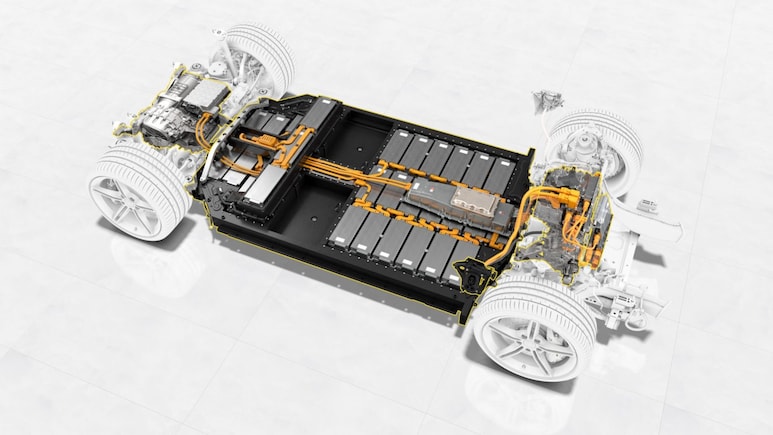
The primary reason is the battery pack. Electric vehicles rely on large, energy-dense lithium-ion batteries that add significant mass. Studies and reports suggest that a 50 kWh LFP lithium-ion battery can weigh anywhere between 300 and 500 kilograms. For context, the electric version of the Hyundai Creta tips the scales at 1,577 kg, around 35 per cent heavier than its ICE counterpart. Similarly, the Carens Clavis EV is over 40 per cent heavier than its petrol or diesel version.
| Model | ICE Weight (kg) | EV Weight (kg) |
|---|---|---|
| Hyundai Creta | 1,175 | 1,577 |
| Tata Nexon | 1,225 – 1,346 | 1,437 – 1,816 |
| Kia Carens Clavis | 1,221 | 1,725 |
| Mahindra XUV7XO | 1,815 – 1,960 | 2,150 (XEV9S) |
| BMW X1 / iX1 | 1,575 – 1,660 | 2,010 (iX1) |
Weight Counterbalance
Lightweight design is becoming critical across industries, especially in the automotive sector, as manufacturers look to offset the weight penalty of electrification. Carmakers are increasingly replacing traditional metals with environmentally friendly composites. Hybrid material solutions that combine injection-moulded plastics with glass fibre-reinforced thermoplastics offer significant weight savings. Panasonic Automotive told BBC in an interview: Its lightweight components, including speakers and audio systems, are 30-60 per cent lighter and consume up to 60 per cent less power without compromising performance. Such weight and energy savings directly translate into improved efficiency and range in electric vehicles.
EV range is influenced by multiple factors, including battery capacity, energy management software, regenerative braking efficiency, aerodynamics, and vehicle weight. Efficient energy use, lightweight design, and streamlined aerodynamics improve performance, while driving habits-such as smooth acceleration and eco modes-play a key role in maximising real-world range.
Mind The Weight: Where EVs Excel
While there is no denying that constant R&D efforts are underway to bring EV weight closer to that of ICE vehicles, added mass isn't always an outright disadvantage. Extra weight does bring performance drawbacks-such as longer braking distances, increased tyre wear, and reduced agility-but it also has its benefits.
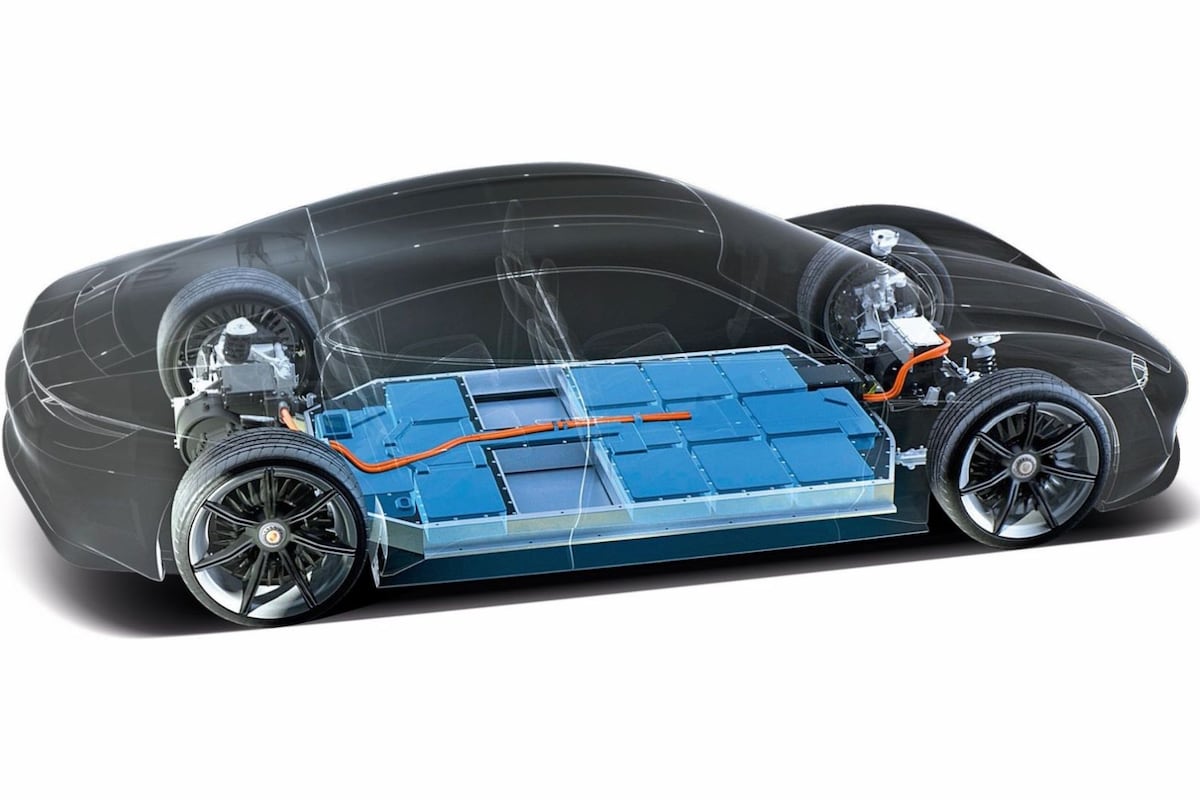
The heavy battery pack improves traction, while its low placement lowers the centre of gravity, enhancing stability and handling. Regenerative braking further helps offset inefficiencies by improving overall energy recovery. Weight also plays a role in crashworthiness, with heavier vehicles often offering better occupant protection, and a lower centre of gravity, reducing the risk of rollovers. As EV makers rationalise weight, these advantages remain especially relevant in budget-focused, mass-market cars.
Track Latest News Live on NDTV.com and get news updates from India and around the world
