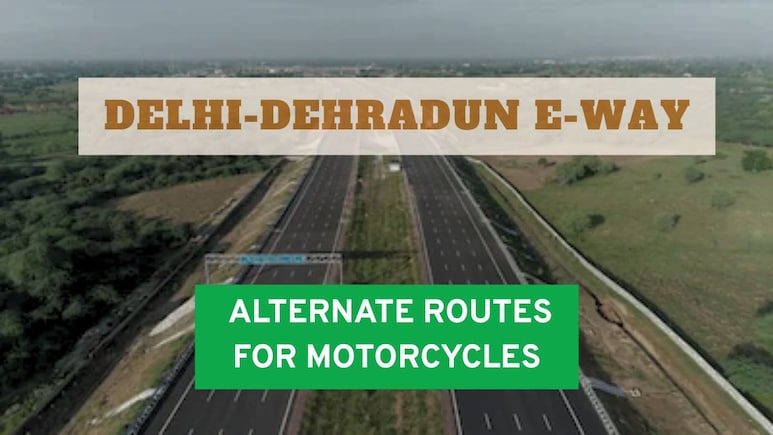
The inauguration of the Delhi-Dehradun Expressway marks a major moment for road connectivity between the national capital and Uttarakhand. Built as a high-speed, access-controlled corridor, the new expressway promises to cut travel time between the two cities to just 2.5 hours from 6 hours, initially, offering a faster and smoother experience for motorists.
But while car and bus users celebrate the new route, motorcyclists will have to sit this one out. Two-wheelers are not permitted on the expressway, and authorities have made it clear that the restriction will be enforced strictly, especially on elevated and high-speed sections. For riders heading to Dehradun, the journey remains very much on the old highways.
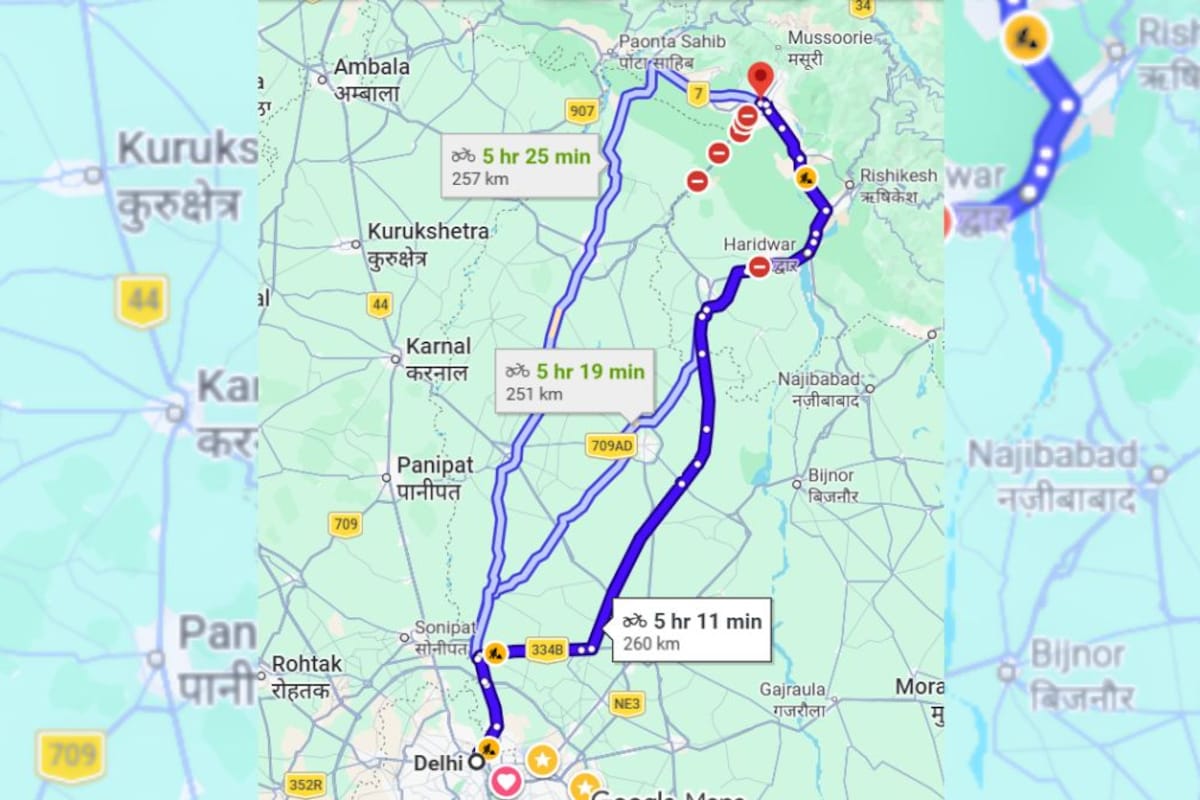
Alternative Routes Riders Can Take
Although the expressway itself is off-limits, bikers still have several established and legal routes to reach Dehradun from Delhi. These routes may take longer, but they offer predictable conditions and remain well-suited to two-wheel travel.
Via Roorkee and Haridwar: The Most Reliable Option
Route: Delhi-Meerut-Muzaffarnagar-Roorkee-Haridwar-Dehradun
This route has long been the preferred choice for riders heading towards Uttarakhand. Roads are relatively well-maintained, fuel stations and eateries are easy to find, and emergency assistance is readily available. With traffic diversions already being routed through Roorkee and Haridwar due to expressway-related restrictions, this corridor remains especially relevant for the foreseeable future.
While it may not match expressway speeds, it offers a steady and familiar ride with fewer surprises.
Via Shamli and Saharanpur: A Shorter but Busier Route
Route: Delhi-Ghaziabad-Shamli-Saharanpur-Dehradun
This alignment is marginally shorter than the Haridwar route, but riders should be prepared for denser traffic, particularly around Saharanpur. Trucks, buses, and local vehicles are common, and progress can slow down during peak hours.
That said, the road surface is generally decent, and for riders willing to navigate through busier sections, it remains a direct and legal option.
Via Yamunanagar and Paonta Sahib: Longer, But More Scenic
Route: Delhi-Karnal-Yamunanagar-Paonta Sahib-Dehradun
This route adds distance to the journey but rewards riders with comparatively lighter traffic once past Delhi and a more relaxed riding environment as Uttarakhand approaches. The stretch around Paonta Sahib, in particular, is known for its river views and calmer pace.
It is also being used as an alternative access corridor during traffic diversions, reinforcing its importance as a secondary gateway to Dehradun.
Why Motorcycles Are Not Allowed?
The expressway has been designed exclusively for sustained high-speed traffic, with tightly controlled entry and exit points. Officials have barred motorcycles, three-wheelers, tractors and other slow-moving vehicles, citing safety risks arising from large speed differentials and limited reaction time on multi-lane express corridors.
With multiple elevated stretches and sensitive zones along the route, including forest areas, authorities argue that allowing two-wheelers could significantly increase the risk of serious accidents. Entry ramps are monitored, warning signage has been installed, and riders found violating the restriction may face substantial fines.
Also Read - Force Gurkha Left-Hand-Drive Test Drivers Recklessly Drive SUV On Highway: Video
Riders Should Avoid
- The main expressway carriageway
- Elevated sections designed exclusively for high-speed traffic
- Any entry marked as access-controlled
Attempting to enter prohibited zones can result in fines, forced diversions, and serious safety risks.
Also Read - No Helmet, No Excuses: Fixing India's Most Avoidable Road Safety Crisis
What This Means for India's Riding Community
The Delhi-Dehradun Expressway is undeniably a transformative project, but it also underscores a recurring theme in modern highway development. As India builds faster, access-controlled roads, two-wheelers are increasingly pushed onto older highways that prioritise inclusivity over speed.
For now, riders remain dependent on traditional routes that may be slower but are proven, legal, and safer for motorcycles. Until policies evolve to account for two-wheeler mobility on long-distance corridors, these roads will continue to carry the riding community north, one kilometre at a time.
Track Latest News Live on NDTV.com and get news updates from India and around the world
