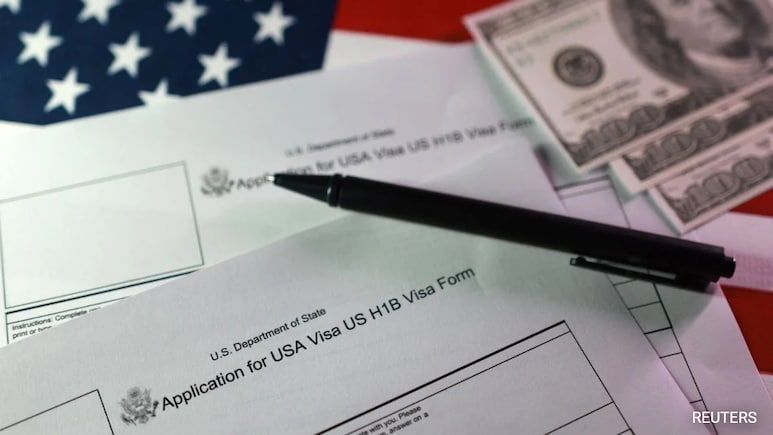
The United States will widen its visa screening rules from March 30. The consulate will bring H-1B applicants and several other visa categories under stricter checks that include reviewing social media activity, the State Department said.
The new process applies to a group of non-immigrant visas handled at US consulates abroad. These include A-3, C-3 domestic workers, G-5, H-3 trainees, H-4 dependents of H-3, K visas, as well as Q, R, S, T and U categories.
Officials said this is part of an effort to use more data in visa decisions. “The Department uses all available information in visa screening and vetting to identify visa applicants who are inadmissible to the United States, including those who pose a threat to US national security or public safety. We conduct thorough vetting of all visa applicants,” they said.
The change builds on measures already introduced for student and exchange visas (F, M, J) in June 2025 and for H-1B workers and their dependents in December 2025.
As part of the updated system, applicants will be required to make their social media accounts public. Consular officers will examine online content, activity and other digital records during background checks.
In an official statement, the department said that to facilitate this vetting process, all applicants for A-3, C-3 (if a domestic worker), G-5, H-3, H-4 dependents of H-3, K-1, K-2, K-3, Q, R-1, R-2, S, T, U, H-1B, H-4, F, M, and J non-immigrant visas are required to set their social media accounts to “public” or “open.”
From March 30, applicants in these categories will undergo online presence checks as part of their visa process at US consulates worldwide.
Earlier, the US Department of Labor proposed new rules to raise minimum salary requirements for foreign workers under visa programmes like H-1B, H-1B1, E-3, and PERM.
The proposal focuses on increasing the “prevailing wage,” which employers must pay foreign workers. The plan updates the current four-level wage system, unchanged for over 20 years, by raising each level to higher salary percentiles.
This could increase average wages by about $14,000 per job annually.


