Russian President Vladimir Putin's meeting with Prime Minister Narendra Modi in Bishkek on Monday came just days before the two leaders are set to meet again in New Delhi, with Moscow preparing an aggressive new defence pitch centred on two of its most advanced weapon systems: The S-500 Prometheus air defence/anti-ballistic missile system and the Su-57 Felon stealth fighter.
The renewed push comes at a time when India is looking to urgently strengthen both its air defence architecture and combat aircraft strength, even as it continues to diversify military purchases away from its traditional dependence on Russian equipment.
At the centre of Moscow's pitch is the S-500 Prometheus, Russia's newest long-range air and missile defence system. Moscow has been positioning the S-500 as a possible next step in the India-Russia air defence partnership, building on the operational success of the S-400 already in Indian service.
S-500 Prometheus
— Shiv Aroor (@ShivAroor) August 31, 2026
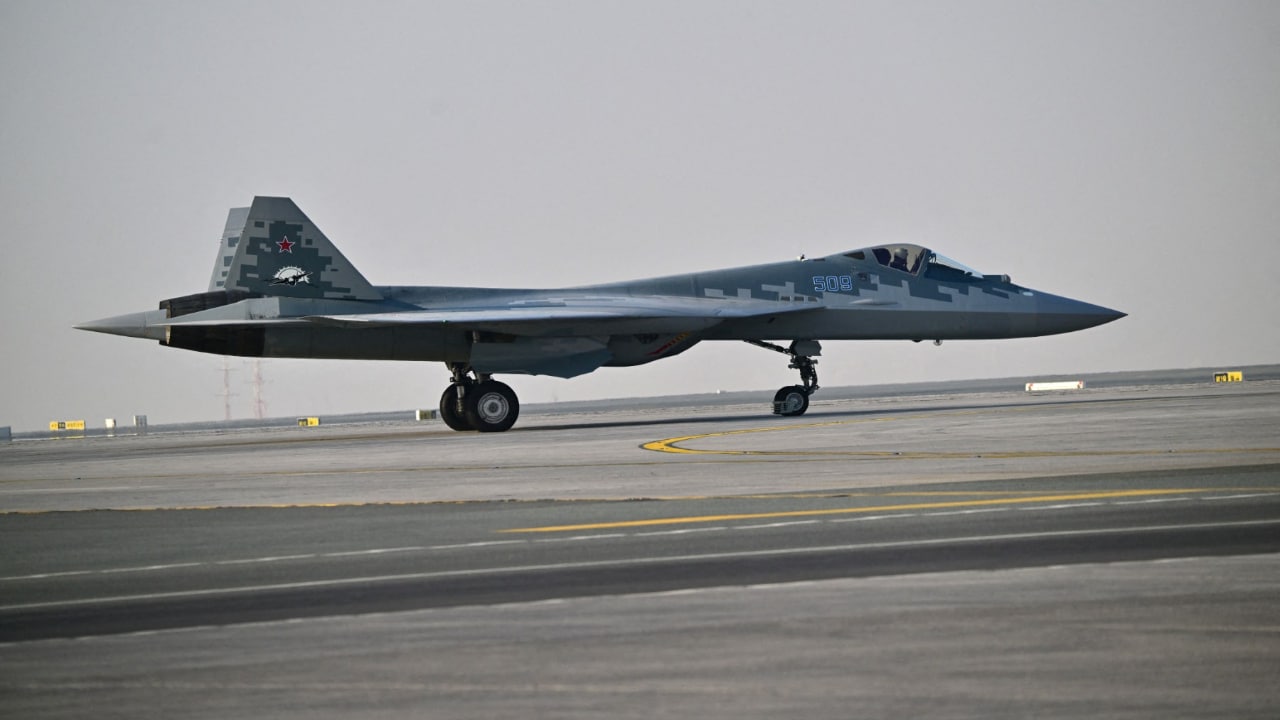
Su-57 Felon
Can confirm that Team Putin is pushing 2 big weapon packages as prestige projects to take India-Russia defence ties to the next level.
(Personal view: It would be a shame if either of them comes to fruition.) pic.twitter.com/Pvj5yYxCVy
The timing is significant. During Operation Sindoor last year, India's Russian-built S-400 systems were extensively deployed against Pakistani aerial threats.
An S-400 also brought down a Pakistani airborne early warning and control aircraft at an extraordinary record-breaking range, an engagement that has sharply enhanced the system's reputation within the Indian military.
Russia is now looking to capitalise on that operational experience. A day before the Bishkek handshake with PM Modi, Putin's government submitted a fresh bid to supply India with 5 additional S-400 squadrons, potentially doubling the number already contracted. The proposal comes even as India begins testing elements of Project Kusha, the indigenous long-range air defence programme intended to eventually provide an Indian alternative in the S-400 class.
🚨BREAKING: Hours before Modi-Putin meet in Bishkek, Russia submitted ₹30k crore bid to supply 5 more regiments of S-400 air defence system to the Indian Air Force. @VishnuNDTV joins me with details: pic.twitter.com/c2Oqg9c5Zx
— Shiv Aroor (@ShivAroor) August 31, 2026
And that makes the S-500 proposition far more complicated than simply buying a better version of a weapon that has already proved itself.
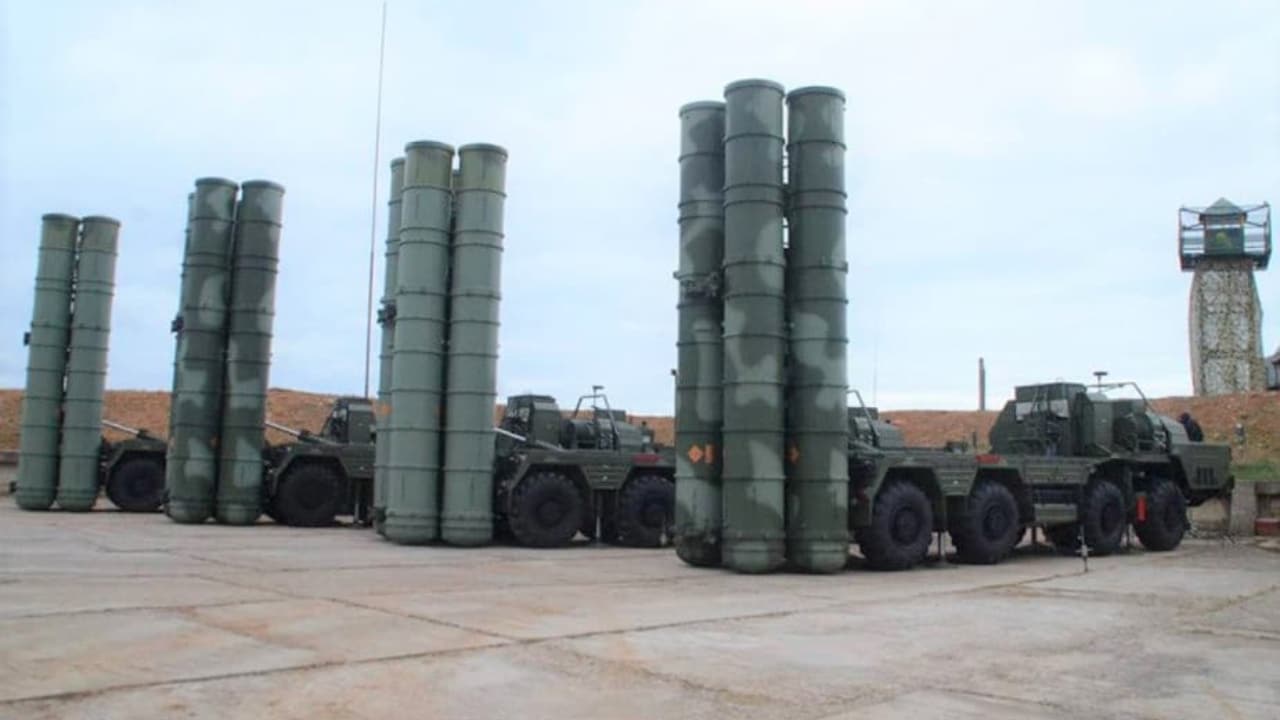
India already has a homegrown ballistic missile defence programme at a fairly advanced stage of rollout, while Project Kusha is specifically intended to create an indigenous long-range air defence capability.
Any decision on the S-500 will therefore have to be weighed against systems into which India has already invested years of development, money and technological effort. The question will not simply be whether the S-500 is formidable, but whether buying it fills a genuine capability gap or risks overlapping with indigenous programmes approaching maturity.
The second major Russian proposition presents an even more complicated dilemma: the Sukhoi Su-57 Felon.
Russia has intensified its pitch of the fifth-generation stealth fighter as the Indian Air Force grapples with depleted fighter squadron strength and, crucially, the absence of an Indian stealth fighter for years to come. Moscow has indicated that technology transfer, localisation and production in India could form part of any future Su-57 proposition.
But while the IAF has made an official case on considering the Russian offer, describing the Su-57 as a "stopgap" before India's Advanced Medium Combat Aircraft (AMCA) arrives also highlights the problem it is intended to solve.
One expert view is that buying a foreign stealth fighter would effectively amount to an acknowledgement that Indian defence planning and project management failed to provide the IAF with a credible fifth-generation capability within the required timeframe. The strategic environment has meanwhile raced ahead. China is now believed to operate a fleet of more than 500 J-20 'Mighty Dragon' stealth fighters, while Pakistan is expected to begin receiving Chinese J-35 stealth fighters in the coming months.
In a jet-for-jet dynamic, the IAF therefore faces a genuine capability dilemma: wait for the indigenous AMCA and accept a potentially dangerous stealth gap, or import an interim fifth-generation fighter and accept the costs and consequences that come with it.
Those consequences are substantial. A Su-57 acquisition would add yet another fighter type to what has sometimes been described as the IAF's "beauty pageant" of combat aircraft. Its frontline inventory already includes the Russian Su-30MKI and MiG-29, French Rafale and Mirage 2000, British-French Jaguar and indigenous Tejas. Each additional type brings its own training, maintenance, weapons, spares and logistics ecosystem.
The biggest irony of all: Russia's pitch is particularly significant given the history of the abandoned India-Russia Fifth Generation Fighter Aircraft (FGFA) project, which was intended to produce an Indian derivative of the aircraft that eventually became the Su-57.
Team Putin's renewed defence offensive also extends well beyond these two headline systems.
Russia is pushing the Voronezh strategic early-warning radar, a powerful long-range system designed to detect ballistic missile launches and other threats across enormous distances. Extensive upgrade programmes for India's large Su-30MKI fleet (in partnership with HAL) and its Russian-origin Kilo-class submarines are also part of a wider portfolio of potential cooperation.
For Moscow, there is urgency behind the sales push. India has spent two decades deliberately diversifying its defence suppliers. The most recent reminder: New Delhi just moved forward with the procurement of American Javelin anti-tank guided missiles after a process stretching back roughly 16 years, while a massive additional purchase of 114 Rafale fighters from France is also taking shape.
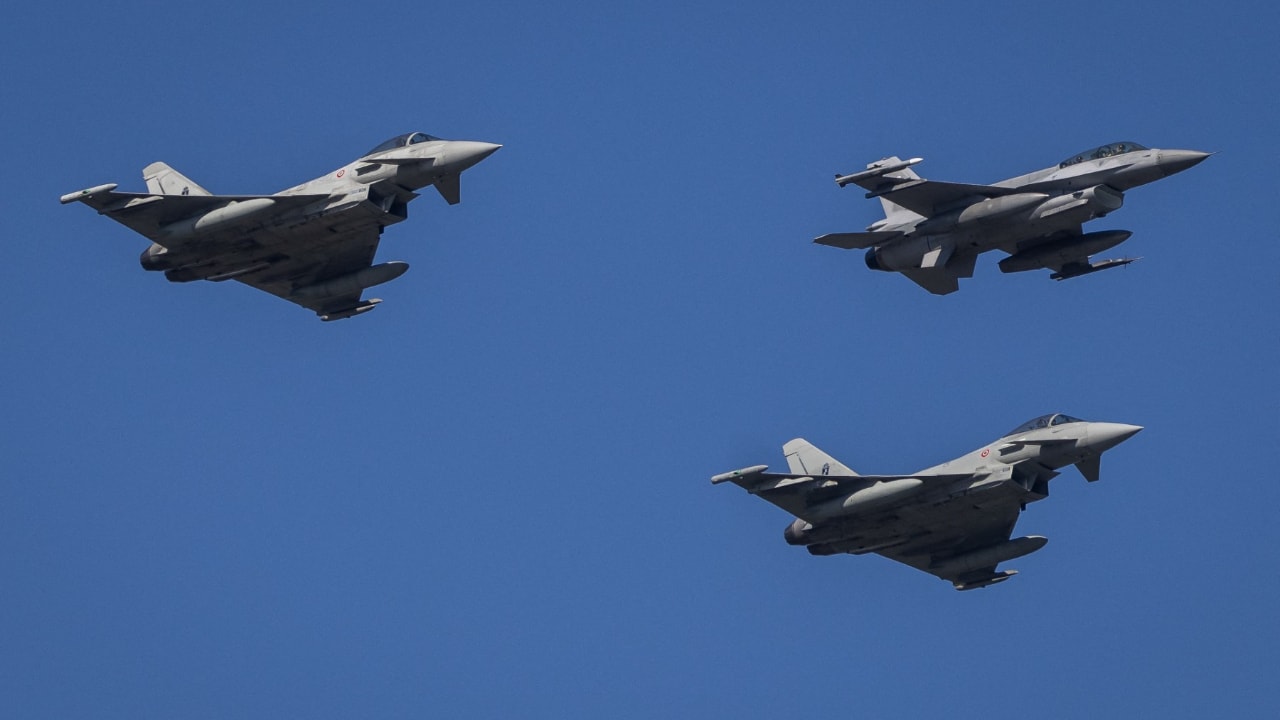
At the same time, India is investing heavily in indigenous programmes. Russia therefore faces competition not merely from American, French and Israeli defence companies, but increasingly from India's own expanding military-industrial ecosystem.
Yet Moscow retains an enormous structural advantage. Decades of defence cooperation mean Russian-origin fighters, tanks, submarines, helicopters, missiles and air defence systems remain deeply embedded across the Indian military. Maintaining, upgrading and eventually replacing those platforms creates opportunities that newer suppliers cannot easily replicate.
Major individual weapons negotiations won't be conducted personally by Modi and Putin. But the political direction established by the two leaders has traditionally provided momentum to large strategic projects.
That makes the Bishkek meeting more than another display of the familiar Modi-Putin personal warmth.
Behind the handshake is an increasingly competitive battle over what India's military will look like over the next two decades. And Russia's two biggest propositions force India to confront two difficult questions: how much more foreign air defence does it need when indigenous systems are finally arriving, and how long can the IAF afford to wait for an Indian stealth fighter while both China and Pakistan move into the fifth-generation era?
Track Latest News Live on NDTV.com and get news updates from India and around the world


