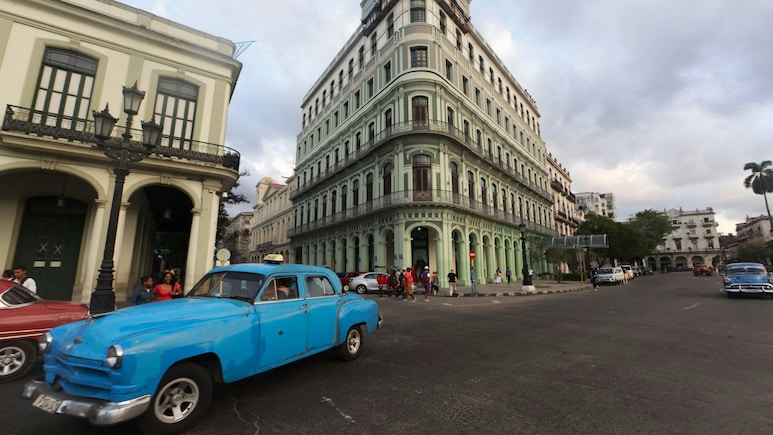
- Cuba’s sugar past still shapes its towns, railways and travel experiences today.
- Travellers can explore mills, valleys and ports that tell Cuba’s sugar story.
- Understanding Cuba’s sugar legacy adds depth to any journey across the island.
Before you meet the pastel plazas and polished classic cars, Cuba introduces you to its real muse: sugar. For centuries, cane fields rolled to the horizon, fuelling fortunes, building railways and sending ships from tropical ports to distant markets. Travelling here, you still feel it - in the sweet warmth of guarapo, the rum in your glass, the bell towers watching over old estates. The nickname “Sugar Bowl of the World” isn't just history; it's a map. Follow it, and Cuba's landscapes, architecture and stories arrange themselves into a journey with meaning.
Also Read: Which City Is Known As The 'Chocolate Town Of India'?
Cuba: The Sugar Bowl of the World
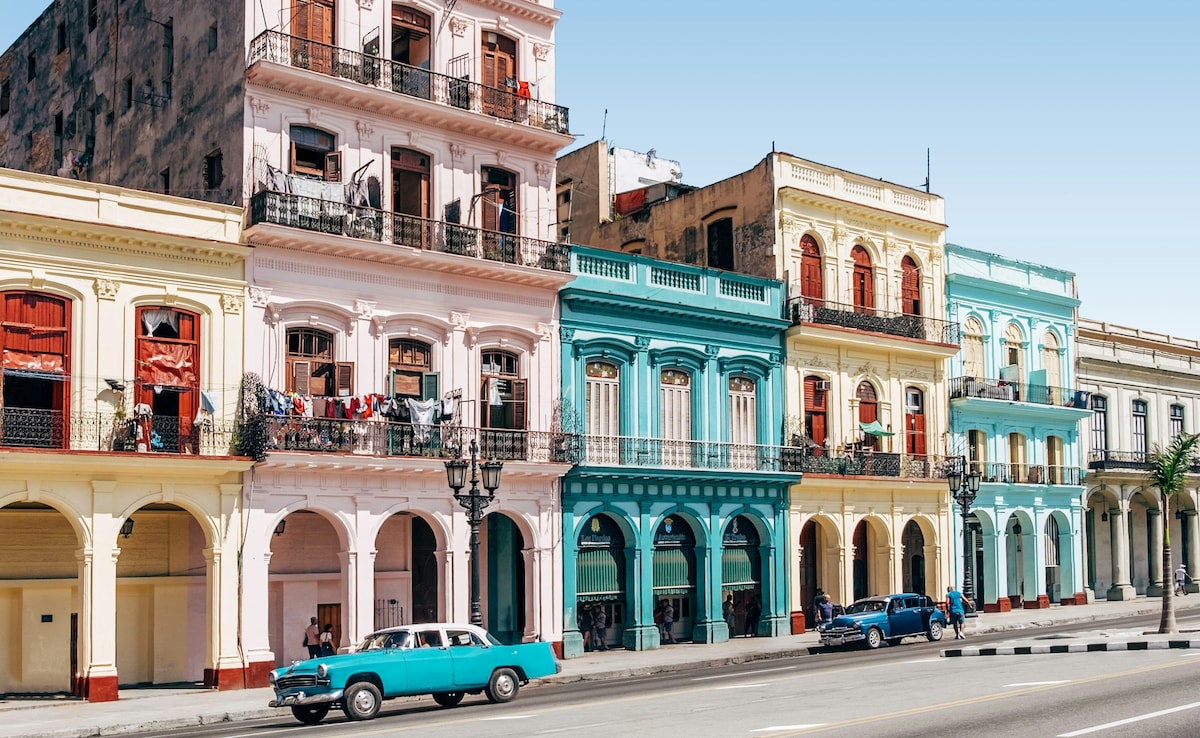
Photo: Unsplash
Yes - Cuba. The island earned the moniker in the 18th and 19th centuries, when sugarcane shaped everything from its rail tracks to its town plans. You can still travel through that story today: in the hum of old mills, in ports that once loaded sweet cargo, and in the proud rhythm of places built on cane and craft.
Why Sugar Belongs to the Landscape Here
Stand on a lookout near Trinidad and the land reads like a textbook: broad, flat plains; red, mineral‑rich soils; heat that lingers; rain that arrives on time. Cuba's long coastline once turned crops into commerce with ease. What was perfect for cane then makes for memorable road trips now - slow highways, open horizons, glimpses of green fields cut by rails and rivers.
Where History Meets Your Itinerary
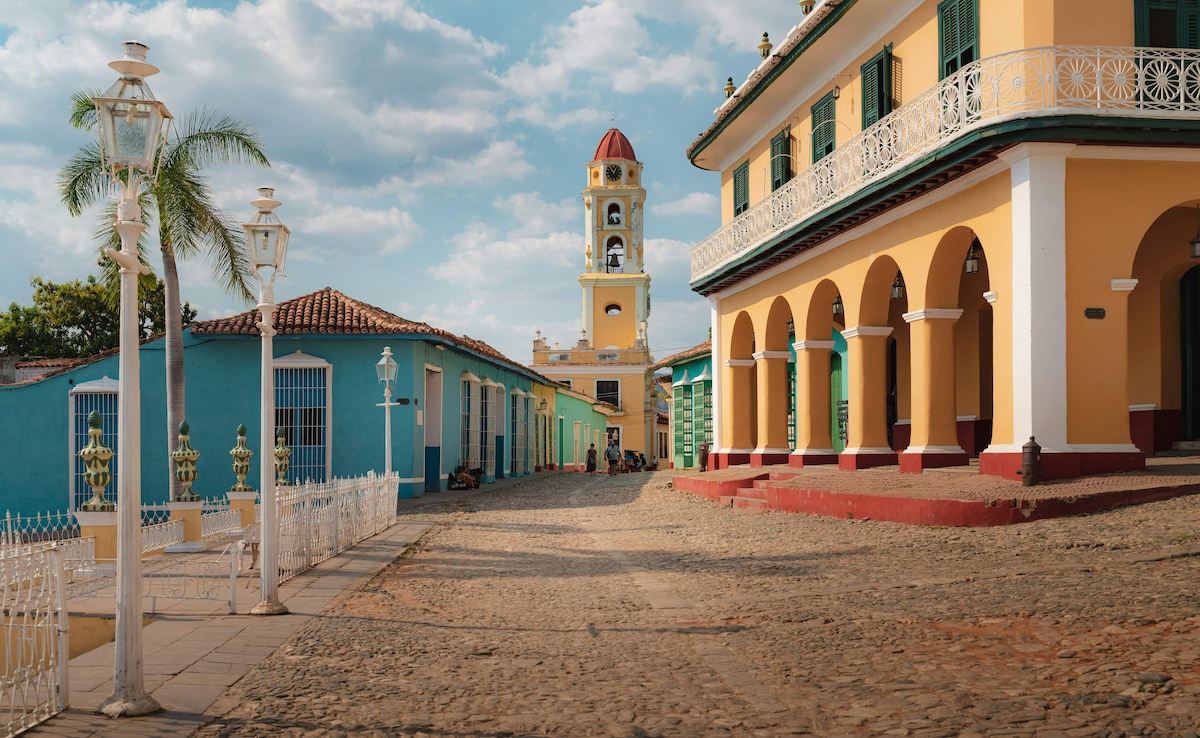
Photo: Unsplash
1. Valle de los Ingenios (near Trinidad): Climb the Manaca Iznaga tower for a panorama of former estates and cane fields. The view itself explains the industry. Look for old boilers, drying sheds and tiny chapels folded into the valley.
2. Trinidad (UNESCO): Wander cobbled streets and pastel mansions built on sugar wealth. Small museums inside colonial houses trace the rise (and fading grandeur) of the sugar barons.
3. Matanzas And the Hershey Line: Trace the route of the old Hershey electric railway between Havana and Matanzas. When services run, it's the slow, scenic way through cane country; otherwise, visit former stations and the company town to sense the rail‑sugar symbiosis.
4. Cienfuegos (“Pearl of the South”): A French‑influenced port where warehouses and waterfront promenades tell of ships once stacked with molasses and raw sugar.
5. Remedios And the Sugar Industry Museum (Marcelo Salado): Explore locomotives, mill machinery and (seasonally) steam trains that trundle through fields - an evocative way to understand how cane became capital.
6. Central Provinces (Villa Clara, Ciego de Ávila): Long, meditative drives past cane fields and the bones of centrales (sugar mills). Ask locally about small museums and community tours—many are wonderfully personal.
Taste The Legacy
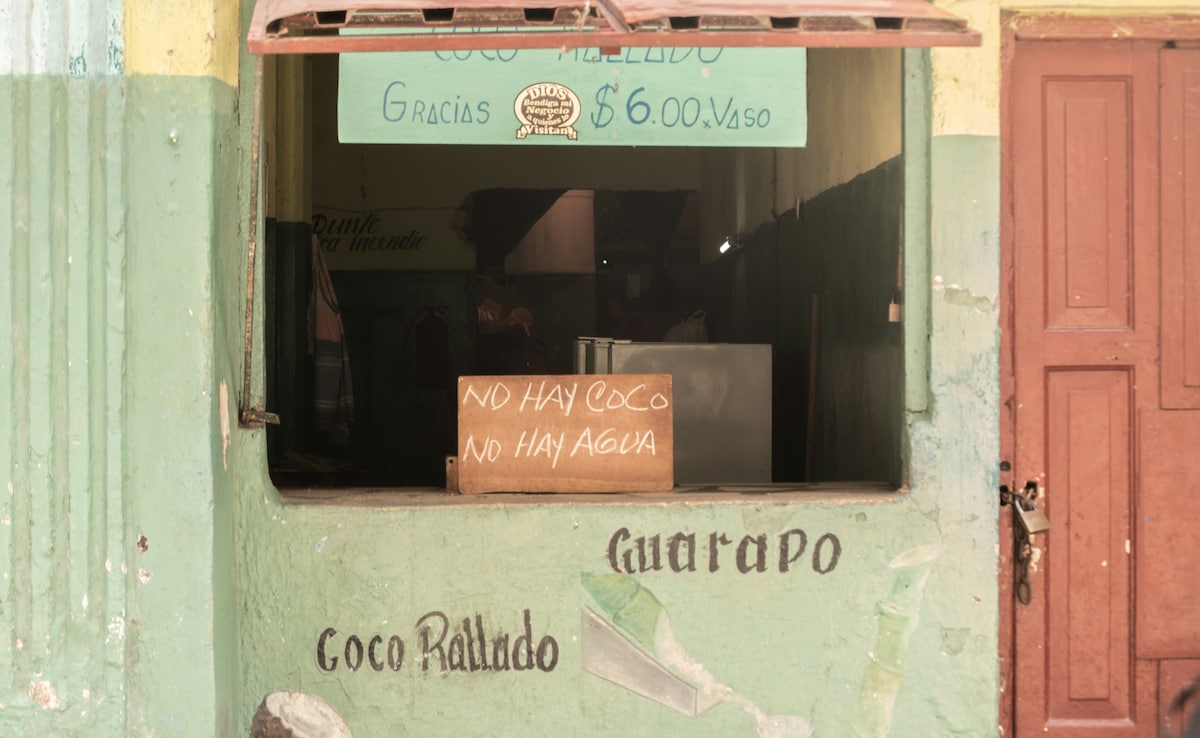
Photo: Unsplash
- Guarapo: Fresh‑pressed cane juice from a street stall - cold, grassy, naturally sweet.
- Rum: A guided tasting (e.g., Havana Club Rum Museum) reveals how molasses turned into national identity.
- Desserts: Think bunuelos with cane syrup, flan, or a simple slice of cake brushed with almibar (sugar syrup). The flavours are history in miniature.
Stories To Listen For
- The bell towers that watched over the valleys, now watching over travellers.
- The railway lines that linked fields to ports - today, they guide curious itineraries.
- Music born from work, movement and mixing - son rhythms drifting from a doorway at dusk.
Why This Matters for Travellers
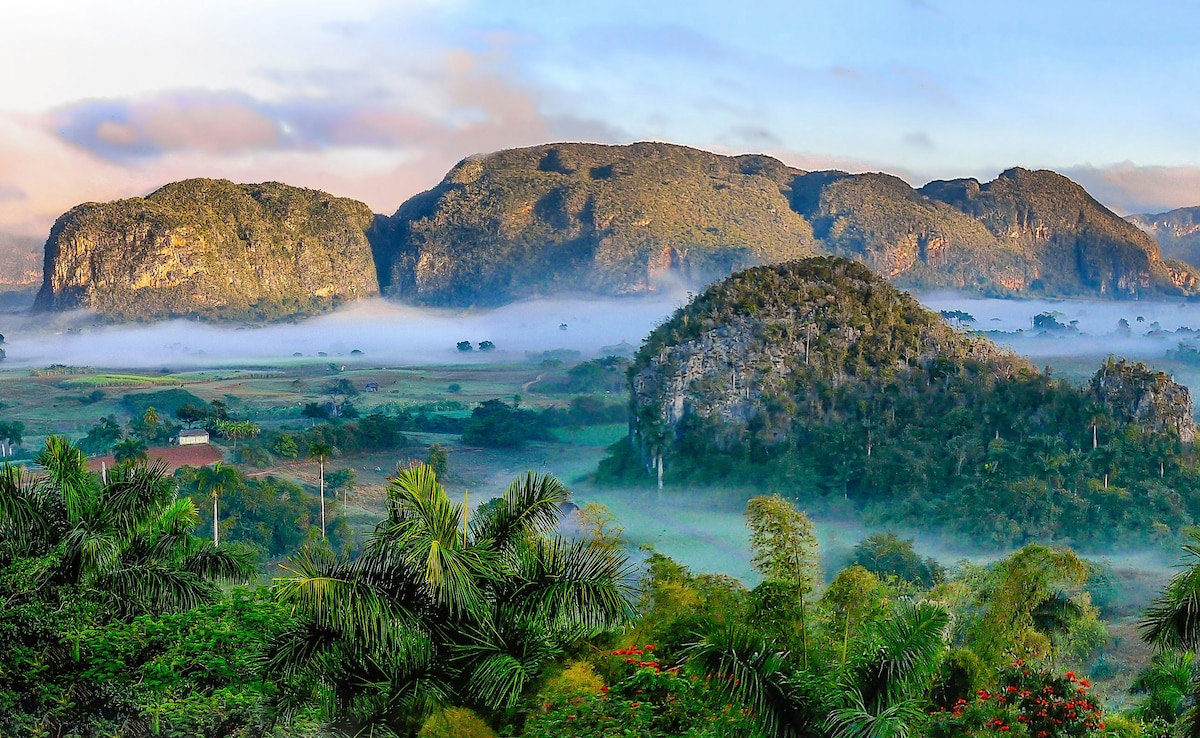
Photo: Unsplash
Knowing Cuba as the Sugar Bowl of the World changes how you see it. A rail spur becomes a clue, a ruined chimney becomes a chapter, a plaza becomes an epilogue. You aren't just visiting a beach nation with good rum; you're walking through a living archive where geography, labour and architecture still converse in the open air.
Also Read: Dubai vs Singapore, Which Is Better For A Quick Foreign Trip From India?
How to Experience Cuba Beyond the Beaches
- Visit plantation valleys and estates near Trinidad.
- Explore small towns built around sugar mill economies.
- Stroll through colonial ports that shipped sugar across oceans.
- Spend an hour in a local museum - the stories are vivid and grounded.
- If timings allow, ride or trace historic railway routes to feel the old logistics in motion.
For visitors, knowing this history simply makes the Cuba they see now easier to read and appreciate.
Track Latest News Live on NDTV.com and get news updates from India and around the world


