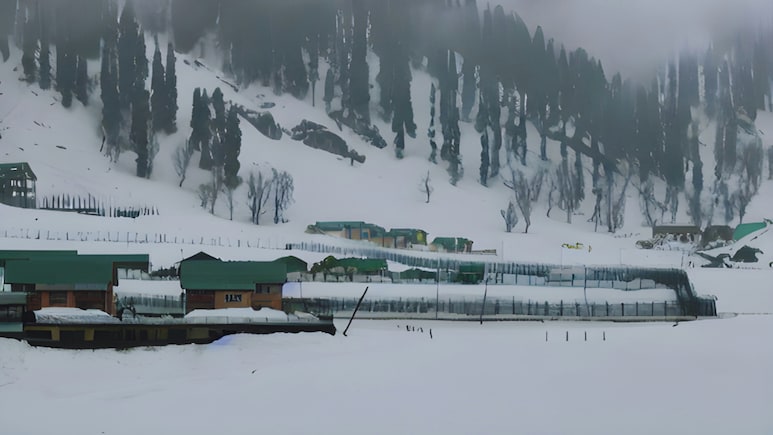
February in India still carries deep winter in the high mountains, and if snow is what you are chasing, this month can be magical. While snowfall can never be absolutely guaranteed, weather patterns and mountain forecasts suggest February remains one of the best months to find fresh snow across the Himalayas - from classic ski hubs to high-altitude valleys where snow transforms landscapes into a winter fantasy. This guide focuses on five destinations, where snow cover is predicted, along with what you can do beyond just watching snowflakes fall. However, make sure to check current conditions before you travel, as mountain weather can shift fast.
Also Read: Mussoorie vs Dehradun: Which Is The Better Holiday Spot For You
Here Are 5 Places Where You Can See Snowfall In India In February
1. Gulmarg, Jammu And Kashmir
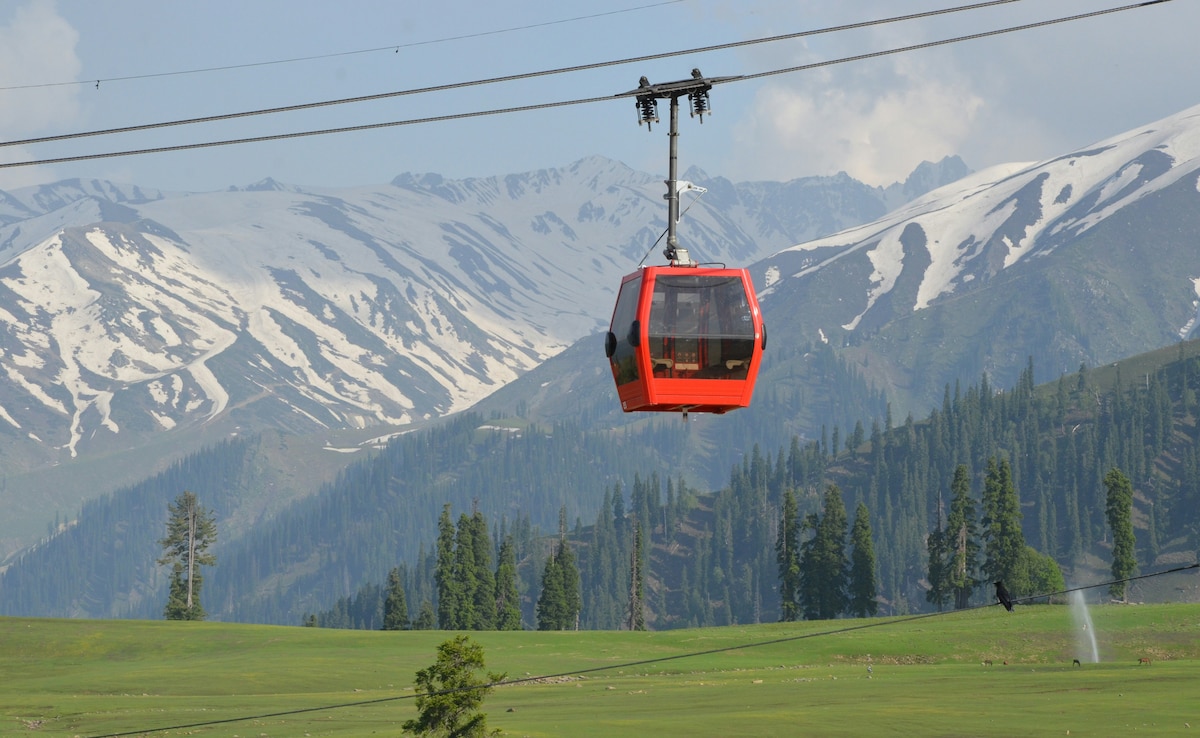
Photo: Unsplash
Gulmarg is arguably India's most iconic snow destination in February, with thick blankets of snow across meadows and slopes. The altitude and winter weather often result in fresh snow showers and reliable snow cover during this season, making it perfect for picture-perfect winter days. Snow really defines this part of north India at this time.
Things To Do: Ride the famous Gulmarg Gondola to Apharwat Peak for panoramic snowy views, try skiing or snowboarding on groomed slopes, or go snowshoeing through winter trails. Cozy up in a cafe with Kashmiri chai after a day in the snow.
2. Manali And Solang Valley, Himachal Pradesh
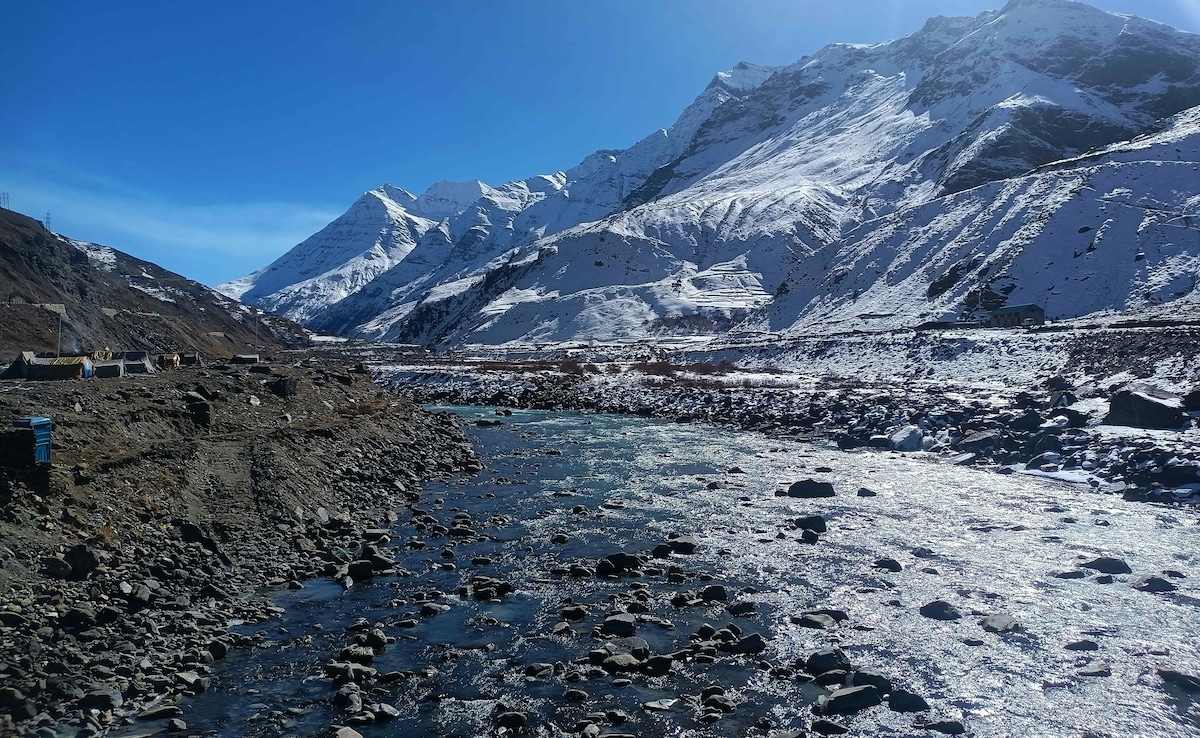
Photo: Unsplash
Manali and neighbouring Solang Valley continue to attract snow lovers in February. Higher reaches and the slopes around Solang often receive fresh snowfall and stay snow-covered through the month. Road access is generally possible, and the white-washed scenery adds alpine charm to this Himalayan favourite.
Things To Do: Go sledging or ziplining in Solang Valley's snowfields, take a gentle snow walk around Old Manali, or enjoy village views with snow-capped mountains. Coffee on Mall Road while watching light snowflakes fall is a travel classic.
3. Auli, Uttarakhand
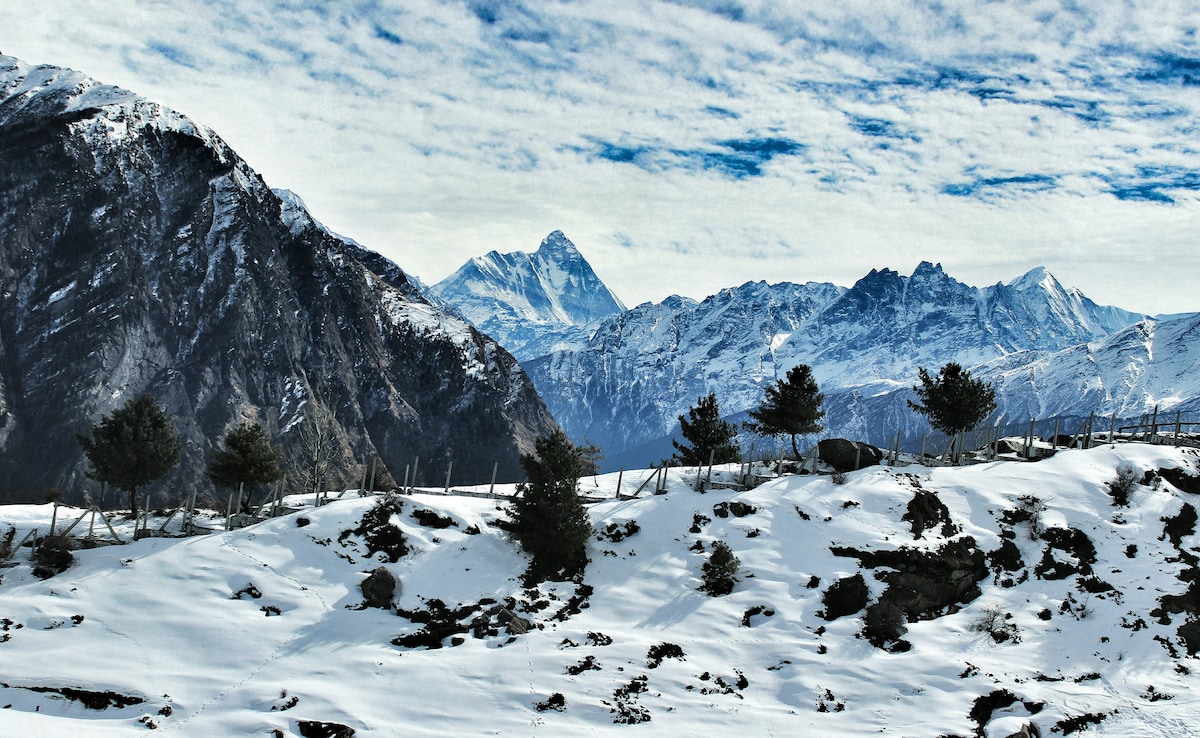
Photo: Unsplash
Auli in Uttarakhand is one of India's premier skiing hubs and remains snow-covered for most of February. Whether or not new snow is falling, the slopes here retain deep powder and the views of the Nanda Devi range under snow are stunning. It's quieter and more scenic than some busier hill towns.
Things To Do: Try skiing or take a ski lesson for the first time, ride the cable car for a snowy panorama, and hike gentle winter trails surrounded by snow-clad peaks. Sunset views over snow fields make for unforgettable photos.
4. Yumthang Valley, Sikkim
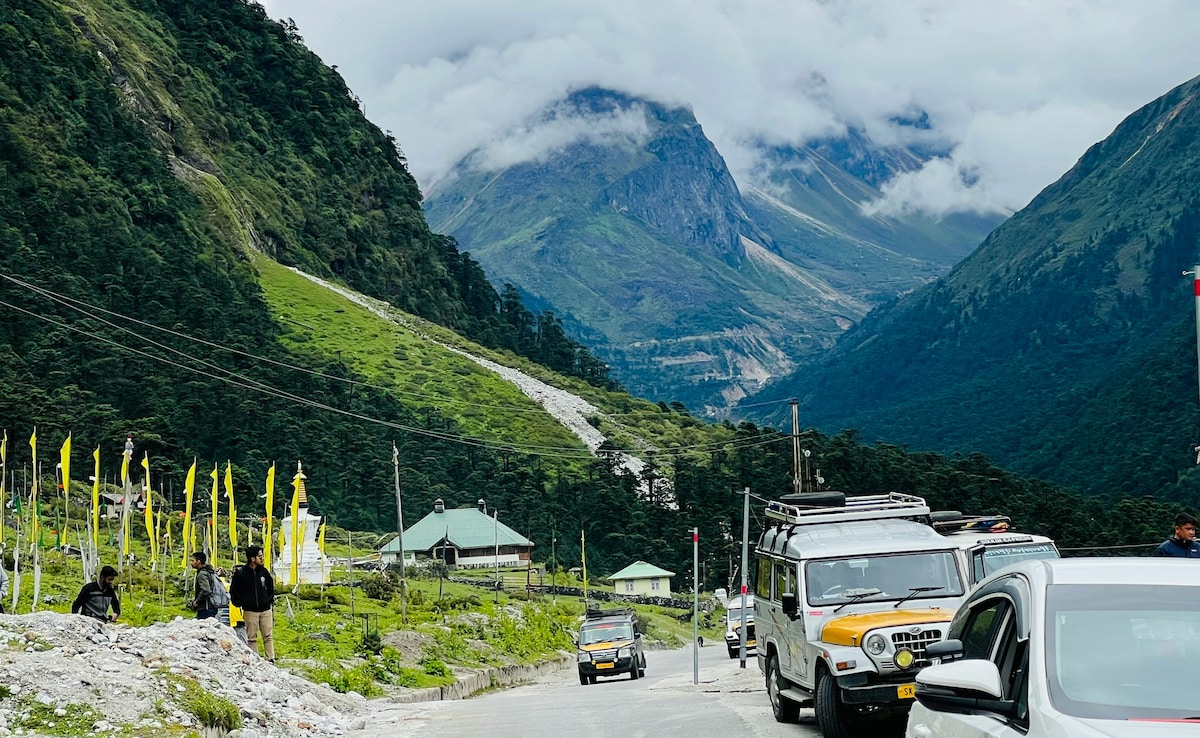
Photo: Unsplash
Moving east, Yumthang Valley in Sikkim often sees snow in February, especially at its high altitude. The valley becomes a serene white landscape with rhododendron forests and frozen streams under snow. It's perfect for travellers who want snow with fewer crowds and dramatic mountain scenery.
Things To Do: Walk gently through snowy meadows, snap photos of snow-covered pinnacles, visit nearby hot springs to warm up, and explore local markets for Sikkimese handicrafts. The quiet adds to the wintry charm.
5. Tawang and Sela Pass, Arunachal Pradesh
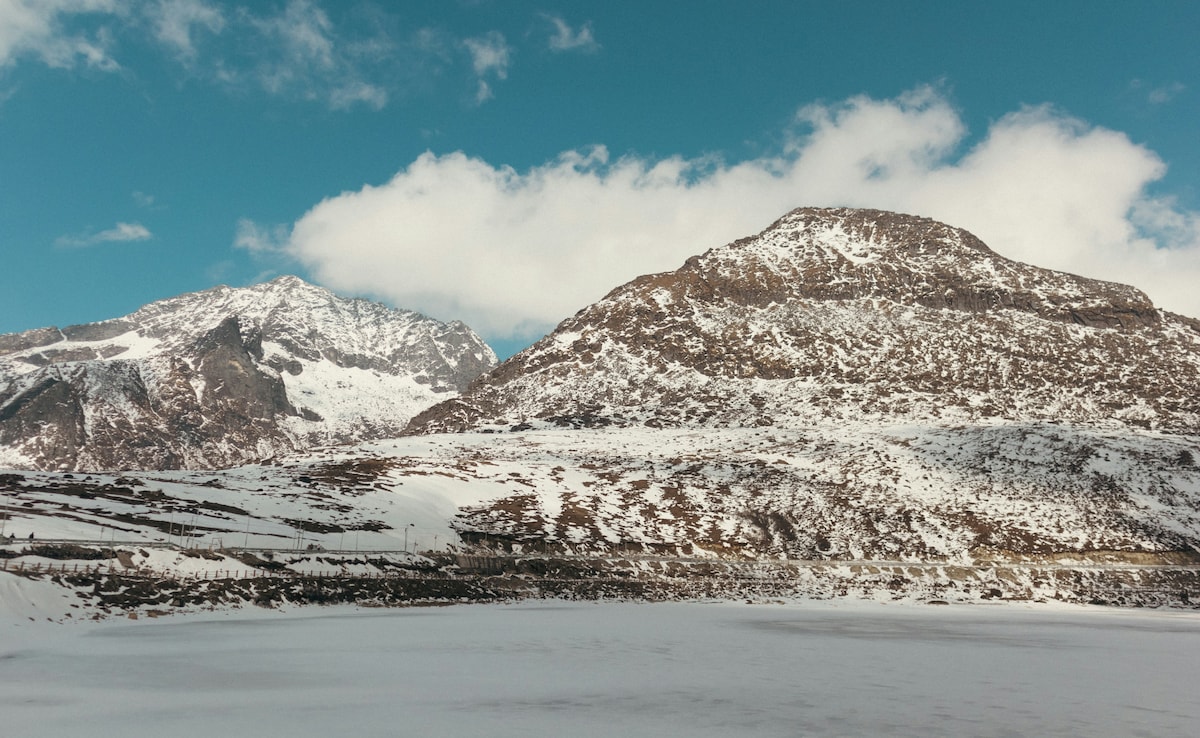
Photo: Unsplash
Farther east, Tawang and the nearby Sela Pass offer some of the most dramatic snow vistas in India. In February, the high passes are often under heavy snow, and the Tibetan Buddhist monasteries framed by white hills create a unique winter experience that's different from the more crowded hill stations.
Things To Do: Visit Tawang Monastery against snowy peaks, drive or trek around Sela Pass where snow lies deep, enjoy local Monpa cuisine, and capture sunrise light on winter hills. Snow photography here is next level.
How To Stay Safe In Snow: Mini‑Guide
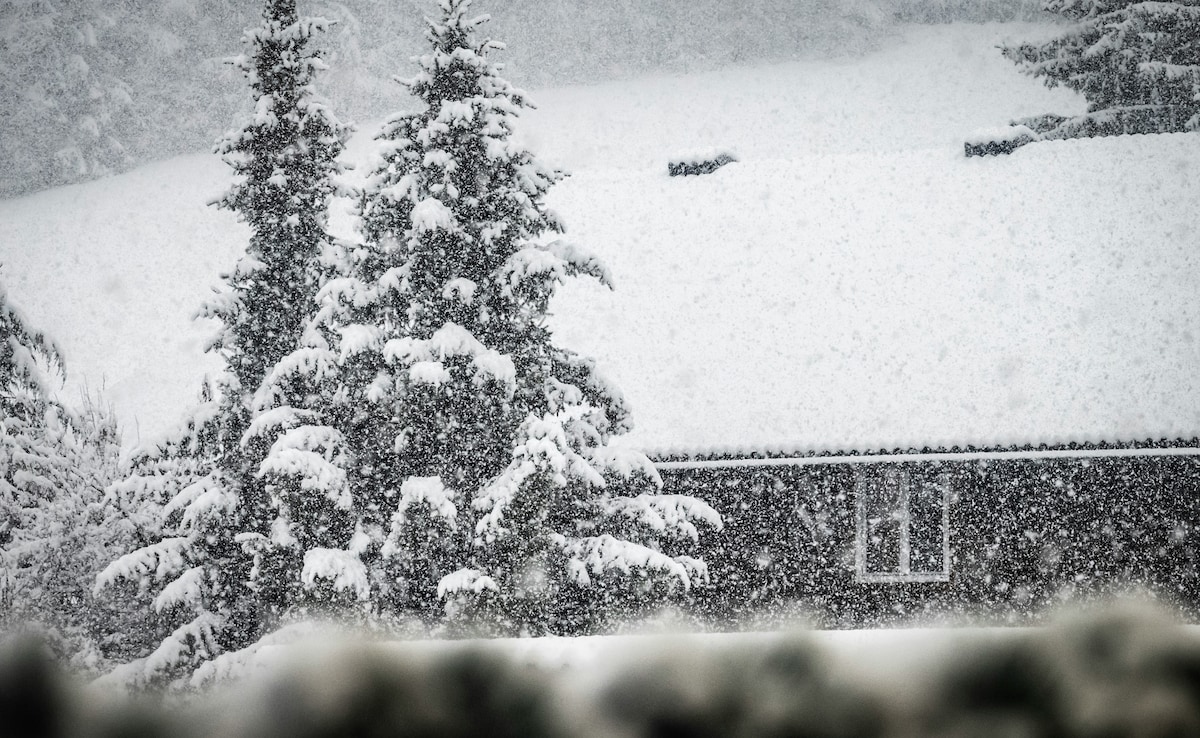
Photo: Unsplash
Snow changes the way you move, see and react. Trails that are easy in summer become slippery, uneven and harder to judge in winter. Always give yourself extra time to walk, drive or trek, because rushing is when most accidents happen.
Key things to keep in mind:
- Fresh snow hides potholes, rocks and dips in the ground.
Packed snow may look firm, but can be icy underneath.
- Weather can shift quickly, reducing visibility within minutes.
1. Wear the Right Footwear and Layers
Good gear is the most important safety measure. Normal sneakers or fashion boots lose grip instantly on snow.
Must‑have basics:
- Waterproof boots with proper snow traction or microspikes
- Warm base layers that wick sweat
- Insulated gloves and waterproof outerwear
- Wool socks (avoid cotton, which traps moisture)
2. Avoid Walking on Frozen Surfaces You Can't Judge
Photo: Unsplash
Frozen lakes, ponds and streams look magical but can be extremely dangerous. Even shallow ice can crack without warning.
General rule: If you are not with a local guide or trained professional, don't step on frozen water bodies at all.
3. Stay Aware of Avalanche or Landslip Zones
High‑altitude regions can have unstable slopes after fresh snow. Even if the tourist area seems safe, upper slopes may not be.
Red flags to watch for:
- Fresh snow over a hard old layer (classic avalanche setup)
- Cracking sounds underfoot
- Steep slopes with no vegetation
- Recent heavy snowfall or sudden warming
4. Protect Yourself From Snow Glare and UV Exposure
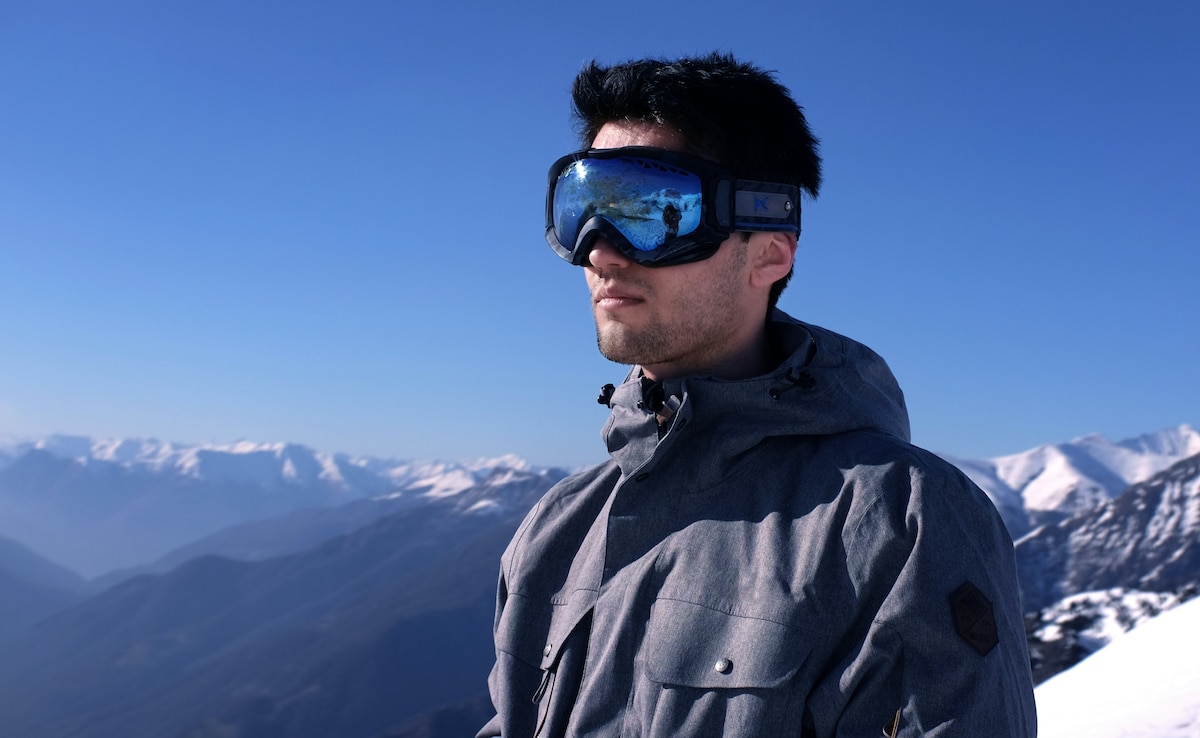
Photo: Unsplash
Snow reflects sunlight at extremely high intensity, which can cause headaches, eye strain and sunburn even on cloudy days.
Simple precautions:
- Wear UV‑protected sunglasses or snow goggles
- Apply SPF 50 sunscreen on the face and neck
- Use lip balm with SPF to prevent cracking
5. Keep Electronics Warm and Charged
Cold drains batteries very quickly, especially phones and power banks.
Tips:
- Keep devices inside inner pockets
- Carry a fully charged power bank
- Avoid exposing your phone to cold air unnecessarily
Also Read: Planning A February Trip? These 5 Indian Places Are At Their Scenic Best
6. Know When to Turn Back
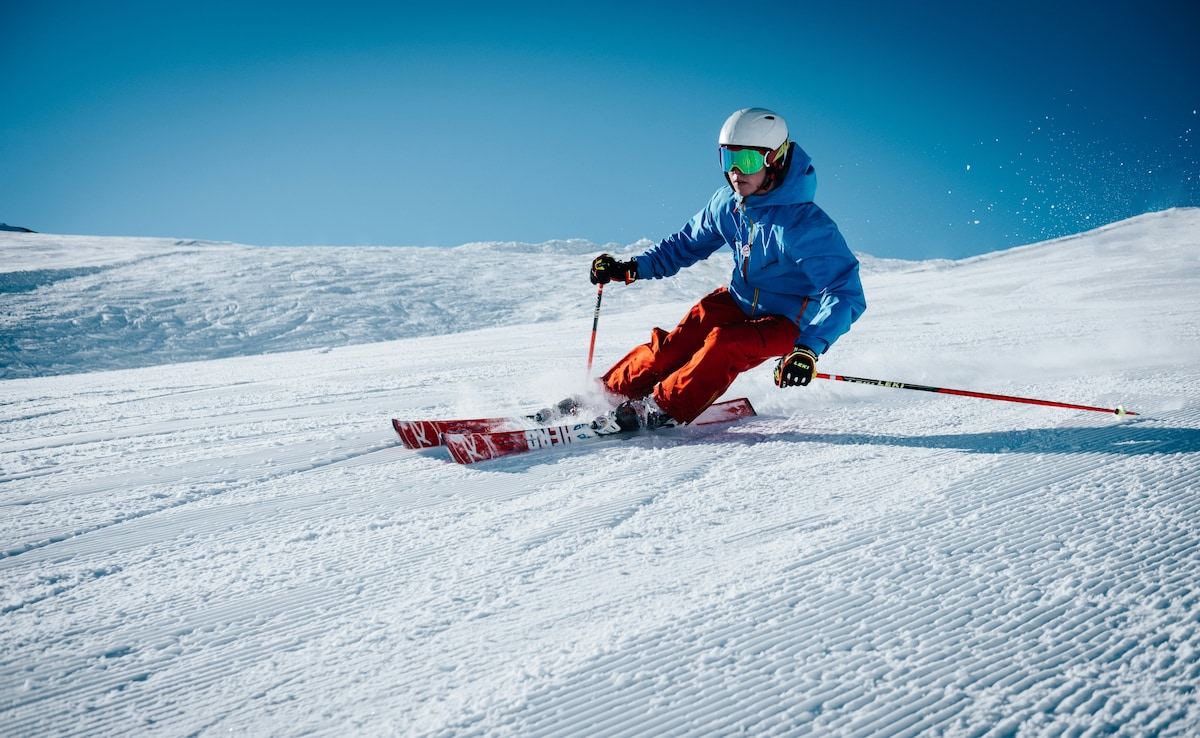
Photo: Unsplash
Most snow accidents happen because travellers push “just a little further.”
A responsible snow traveller knows when to stop.
Turn back if:
- Winds suddenly pick up
- Visibility drops
- You feel breathless, faint or unusually cold
- The trail ahead looks unclear or unmarked
7. Hydrate and Eat Regularly
Cold weather suppresses thirst, but dehydration hits faster in snow because your body burns more energy to stay warm.
Keep yourself fuelled by:
- Drinking water every hour
- Eating small snacks (nuts, dates, energy bars) during long walks
- Avoiding alcohol when out in the snow (it reduces body heat)
So, what are you waiting for? Plan a trip with your friends and family today!
Track Latest News Live on NDTV.com and get news updates from India and around the world


