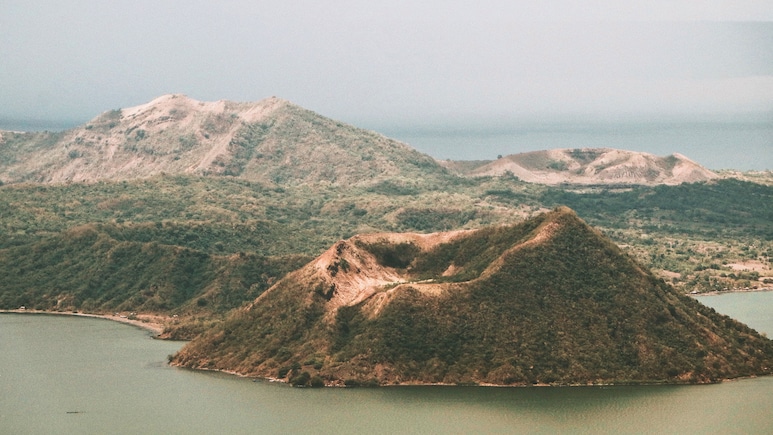
There are some places in the world that look so unusual that it's hard to believe that they are real. As a traveller, you will find it hard to believe that there are some landscapes shaped by ancient volcanic eruptions, shifting coastlines and geological forces that have created an impossible layer of land and water.
In one case, an island sits inside the lake, which itself occupies the remains of much older volcanic systems. In the Philippines, the map reveals a geographical wonder
One such landscape exists in the Philippines, where a closer look at the map reveals a geographical arrangement so unusual that it has fascinated geographers, volcanologists and travellers for decades.
Also Read: This Indian Beach Lets You Drive A Car Right Along The Shore
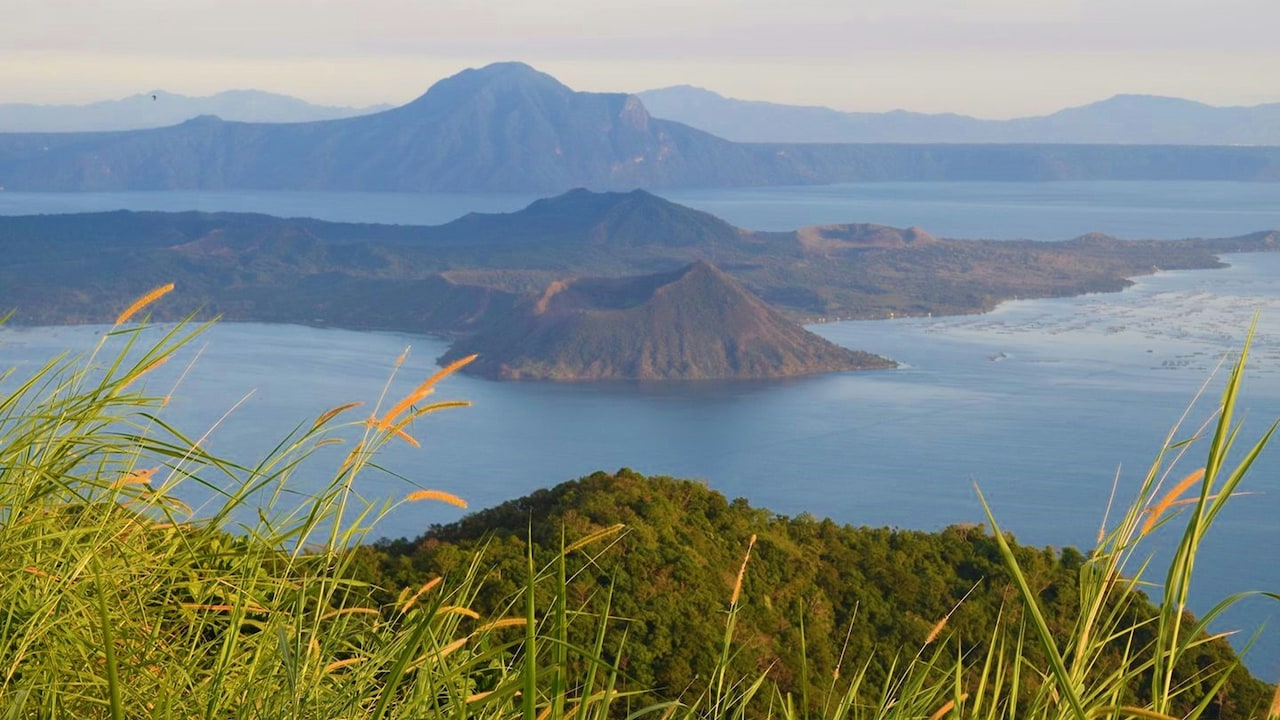
Photo Credit: unsplash
Taal Volcano's Geography Gets More Interesting The Closer You Look
Taal Volcano sits on Luzon, the largest island in the Philippines. From a distance, it looks straightforward enough: a volcano rising from the middle of a lake. But the story gets much more interesting when you look closer.
The lake itself, known as Taal Lake, was formed inside a massive volcanic caldera created by ancient eruptions. In the middle of that lake sits Volcano Island, a 24 sq km volcanic island that has been shaped by centuries of activity.
And that's not the end of it.
Volcano Island contains its own crater lake, known as Crater Lake. Inside that lake is a rocky outcrop called Vulcan Point. Put it all together and you get one of the world's most unusual geographical arrangements: a rocky islet inside a crater lake, inside an island, inside a lake, inside a much larger volcanic caldera. It's a formation so unusual that UNESCO has described it as an "island within a lake, within an island within a lake, within an island."
Taal Is More Than Just A Curious Landmark
This unusual landscape wasn't created overnight. It is the result of thousands of years of volcanic activity. Taal remains one of the Philippines' most active volcanoes and is closely monitored by the Philippine Institute of Volcanology and Seismology (PHIVOLCS). The volcano has erupted many times throughout recorded history, continually reshaping the landscape around it.
Unlike the classic cone-shaped volcano that many people imagine, Volcano Island is made up of several craters, cones and volcanic features formed during different eruptions. Major events have left a lasting mark on the region. The devastating 1911 eruption caused widespread destruction, while the 2020 eruption triggered mass evacuations and disrupted communities around Taal Lake.
Also Read: Tiny Tourism Is Changing How People Travel, One Local Experience At A Time
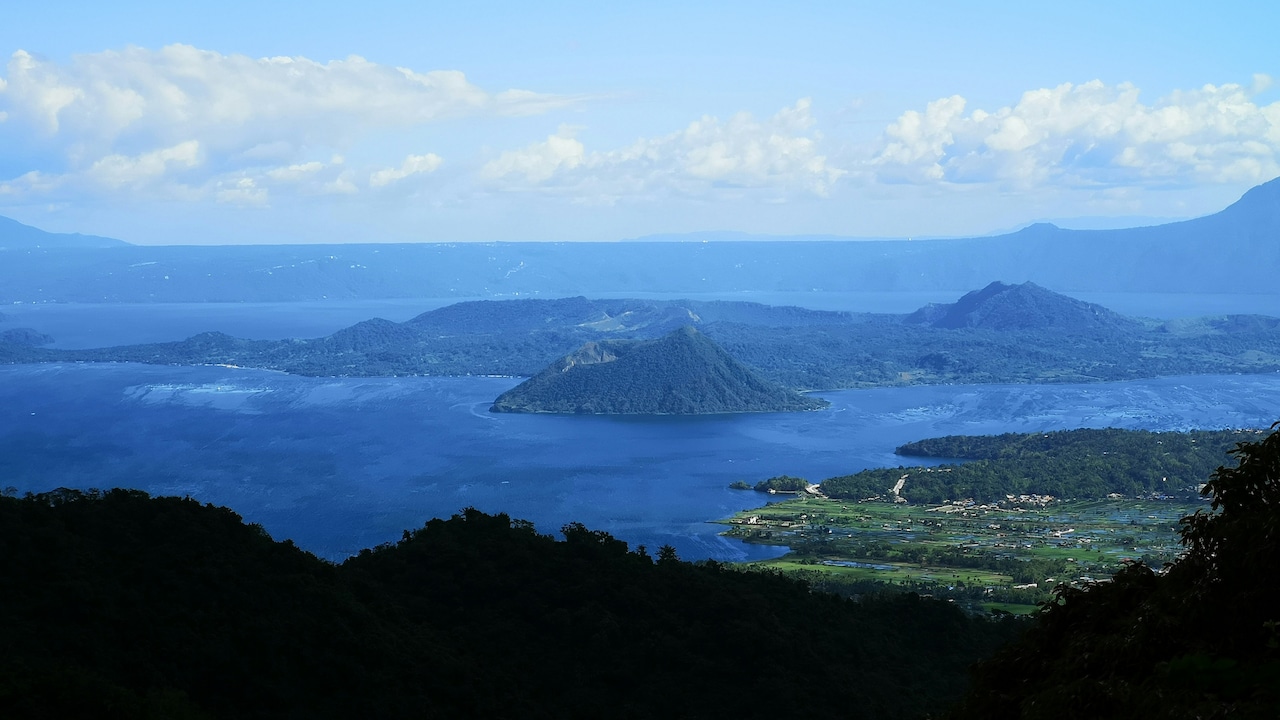
Photo Credit: unsplash
The Best View Is From Tagaytay
If you want to understand just how unusual Taal's geography is, head to Tagaytay. Perched on a ridge overlooking Taal Lake, the city offers some of the best views of the entire volcanic landscape. From here, you can see the vast lake stretching across the ancient caldera, with Volcano Island sitting almost perfectly in the centre.
On a clear day, the different layers of the landscape become much easier to appreciate. What looks like a simple lake-and-volcano view at first suddenly reveals a far more complex story shaped by centuries of eruptions.
Can You Visit Taal Volcano?
That's where a bit of caution is required. While the scenery attracts plenty of visitors, Volcano Island falls within a Permanent Danger Zone designated by PHIVOLCS. Access rules can change depending on volcanic activity, and authorities regularly advise the public to follow the latest safety updates.
For most travellers, the safest way to experience Taal is from approved viewing areas around Tagaytay and the surrounding lakeside towns. Before planning any boat trip or excursion near the volcano, it's always worth checking the latest advisories issued by PHIVOLCS and local authorities.
If you observe it from far, Taal looks almost too perfectly arranged to be real. But beneath the postcard views lies an active volcanic system that continues to shape the landscape.
Track Latest News Live on NDTV.com and get news updates from India and around the world


