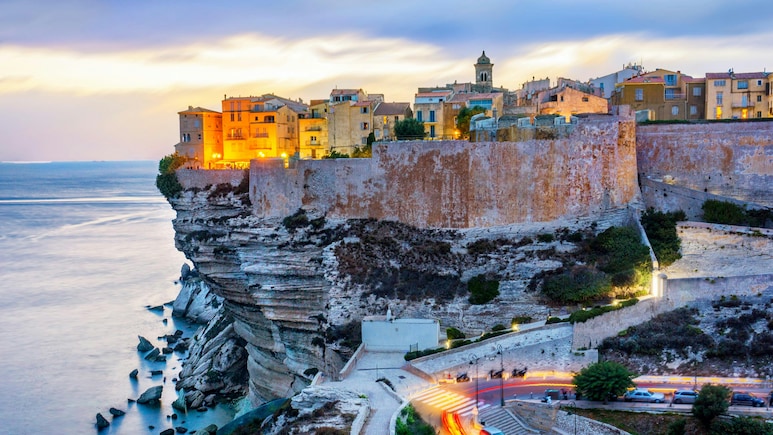
- Corsica, known as the Isle of Beauty, is a diverse Mediterranean island with rich landscapes
- Its history includes Genoese rule and brief independence before becoming part of France
- Top spots include Bonifacio, Ajaccio, Saint-Florent, Porto, Calvi, Corte, and Porto-Vecchio
Not every island earns a nickname, and fewer still live up to one. Corsica, known as L'Île de Beauté in French, has carried the title of Isle of Beauty for centuries, and the label is not a marketing invention; it is a simple statement of fact. This island in the Mediterranean is one of the most varied, dramatic, and genuinely beautiful places you can visit in Europe, and somehow it has largely stayed off the mainstream Indian travel radar. That is changing, as more travellers from India explore Europe beyond the obvious capitals. If you are one of them, Corsica deserves serious consideration.
Also Read: Why China's 'Heavenly Pit', World's Deepest Sinkhole, Should Be On Your 2026 Travel Bucket List
What Makes Corsica So Special
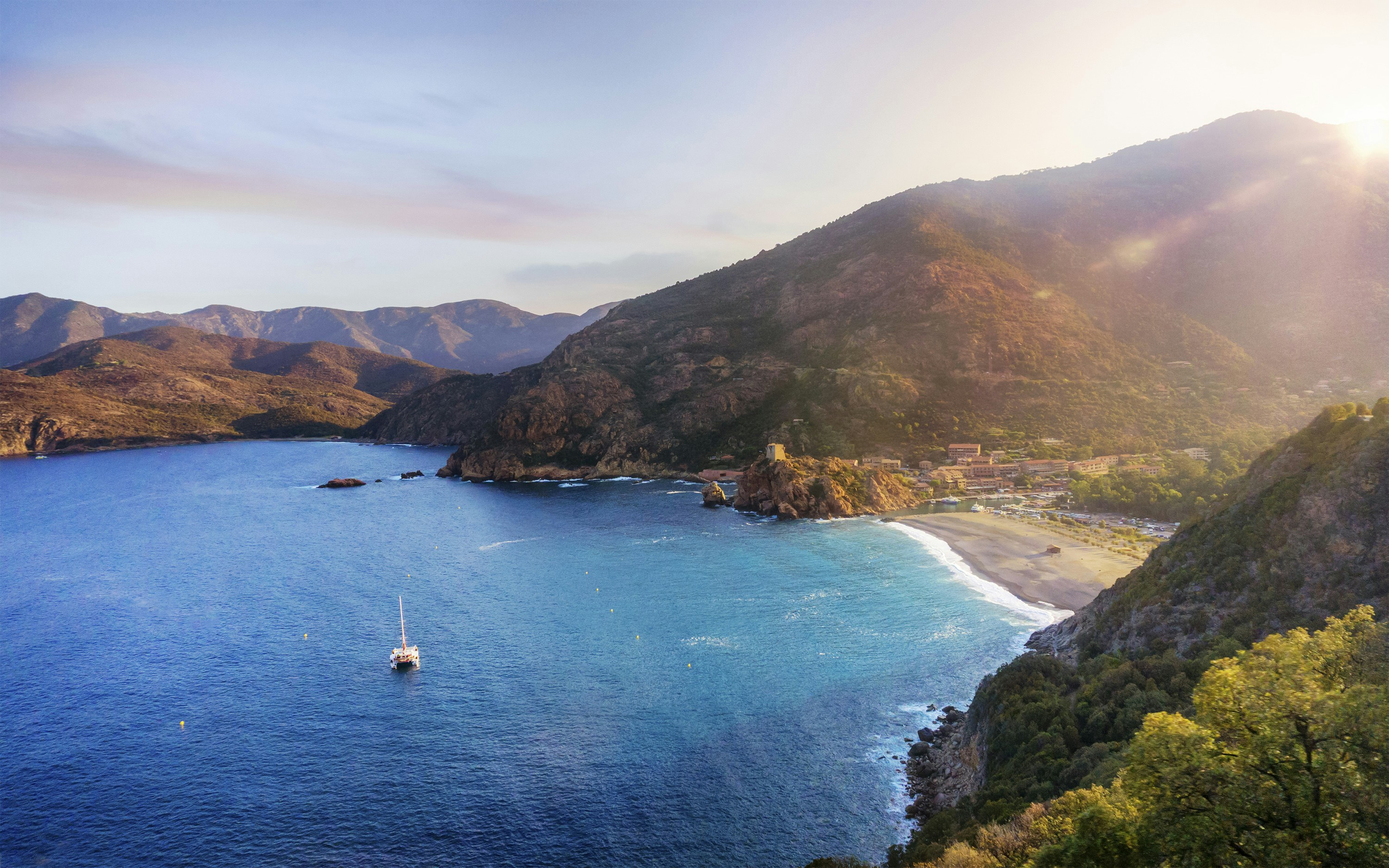
Corsica lies in the heart of the Mediterranean, just south of mainland France and west of Italy. Though French by nationality, its spirit feels distinct, shaped by centuries of Italian influence, mountain traditions, and fierce local pride. The island's terrain is astonishingly varied: golden beaches and turquoise coves line the coast, while forested peaks and granite ridges rise dramatically inland.
With over 1,000 km of coastline, Corsica has an infinite diversity of pearly beaches bordering some of the clearest waters in the world. Its centre is home to the highest mountains in the Mediterranean. And everywhere the eye comes to rest, nature reserves provide peace and protection to rare fauna, and vast forests with more than 2,000 plant species.
Because it is anything and everything, wild and welcoming, open and preserved, gentle and steep, Corsica is a unique place that generates strong emotions, real surprises, and true amazement. It is beautiful in all seasons, even when winter covers it with snow and frost.
The island is real and rugged. Unpretentious in the best way, yet chic and elevated in all the right places. Corsica strikes a rare balance between adventure and relaxation.
A Brief History Worth Knowing
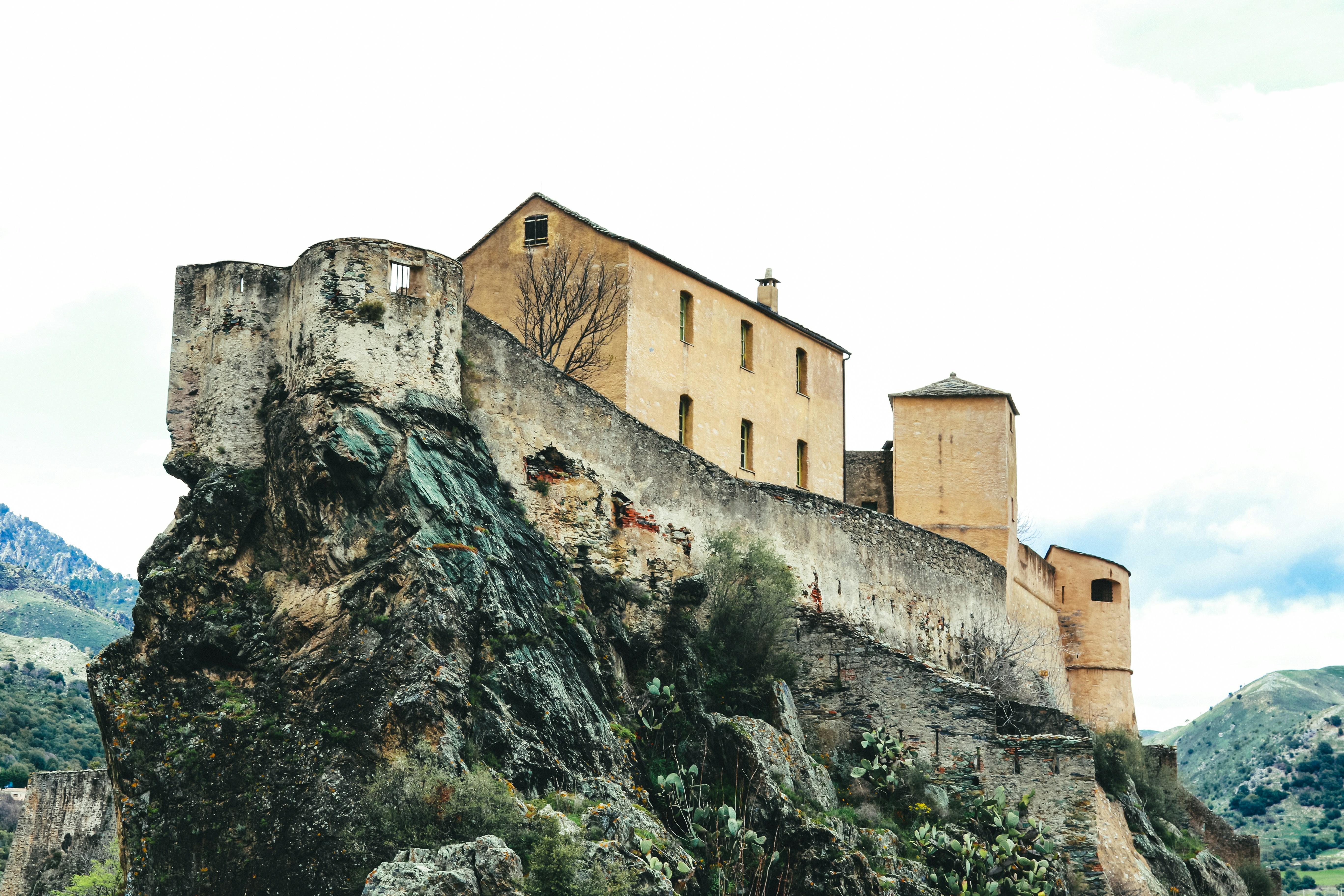
Corsica's history is shaped by its rugged landscape and strategic position in the Mediterranean. Settled since prehistoric times, the island later absorbed influences from the Greeks, Etruscans, and Carthaginians before becoming part of the Roman world. After the fall of Rome, Corsica passed through the hands of various powers, including the Byzantines and the Papacy, but it was the long period of Genoese rule from the 13th to 18th centuries that left a lasting mark on its towns, coastal defences, and social structures.
In the 18th century, Corsica briefly achieved independence under Pasquale Paoli, whose Enlightenment-inspired constitution was ahead of its time. In 1769, however, the island was ceded to France, ironically, the same year Corsica's most famous son, Napoleon Bonaparte, was born.
Corsican culture today reflects a strong sense of identity rooted in language, tradition, and attachment to the land. The Corsican language, closely related to Italian, remains an important symbol of heritage. Modern Corsica is part of France but maintains a distinct character. You will see this layered history everywhere: Genoese citadels anchoring coastal towns, mountain villages shaped by centuries of isolation, and a people who are warmly welcoming but deeply proud of who they are.
Must-See Places in Corsica
Bonifacio: Drama at the Southern Tip
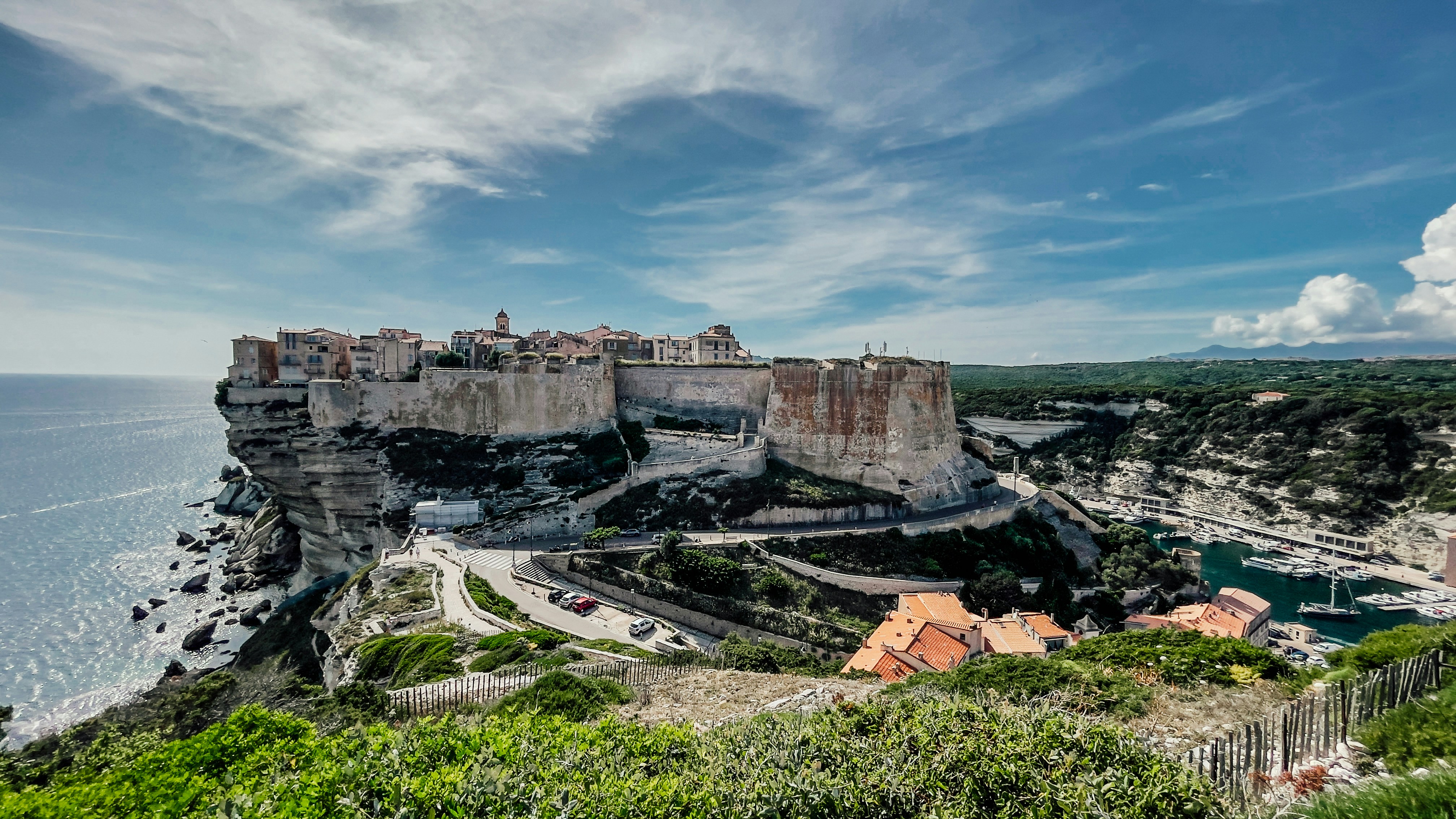
This historic town is perched on the southern tip of Corsica and offers dramatic cliffs, a picturesque harbour, and medieval architecture. The Citadel and the Staircase of the King of Aragon are must-see attractions. The Old Town sits high on white limestone cliffs with the sea stretching below; it is genuinely one of the most striking townscapes in Europe. The Old Town is compact but full of life, with winding alleys, excellent restaurants, and small shops tucked into the stone. Just off the coast are the Lavezzi Islands, a protected archipelago with pristine waters ideal for snorkelling.
Ajaccio: Napoleon's Birthplace
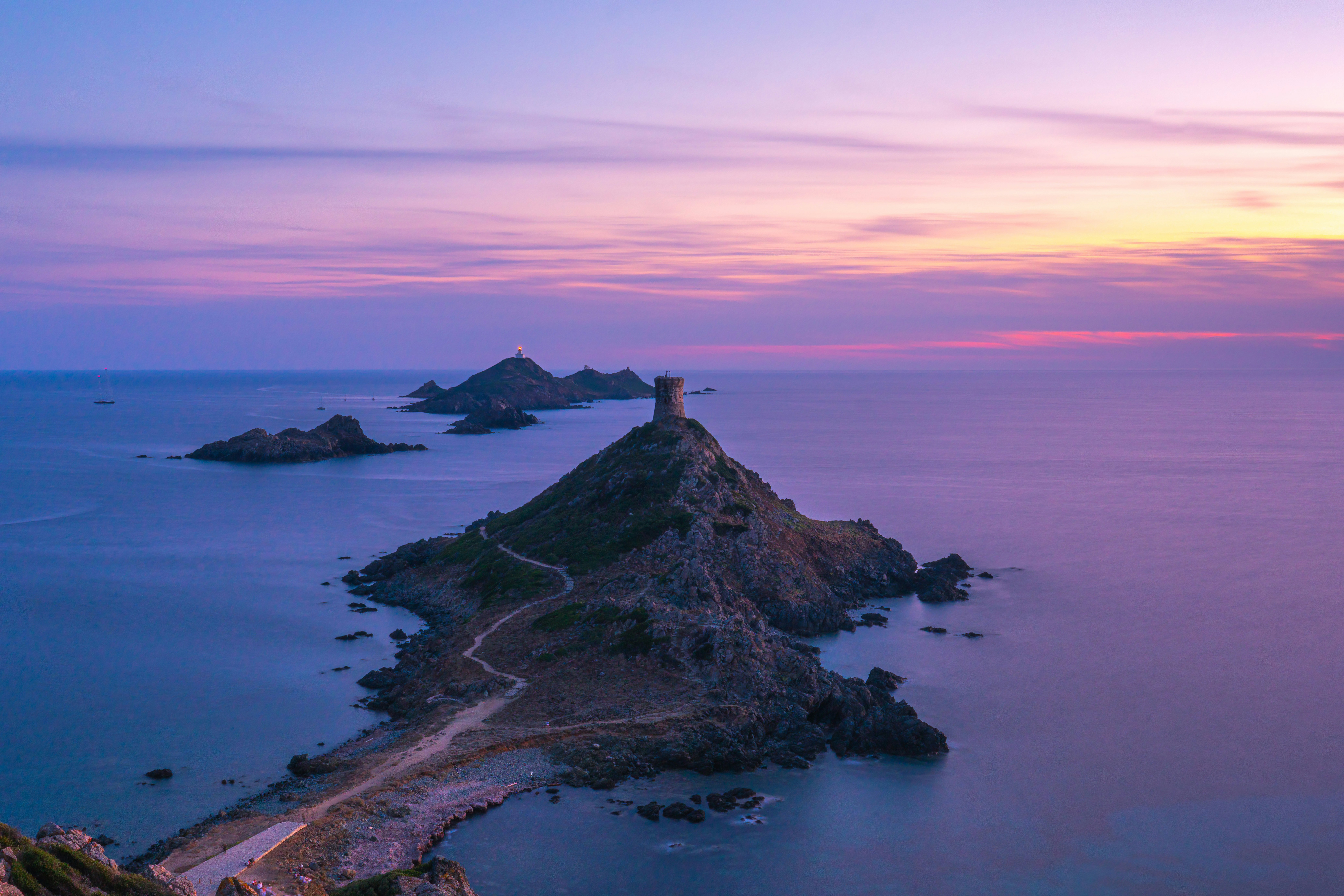
The capital city of Corsica and the birthplace of Napoleon Bonaparte, visitors can explore the Maison Bonaparte, beautiful beaches, and the lively old town. Ajaccio has a laid-back, sun-drenched energy with a gorgeous waterfront and excellent food. The sunsets from the Sanguinaires Islands nearby are famously crimson and worth staying for.
Saint-Florent: The Perfect Northern Base
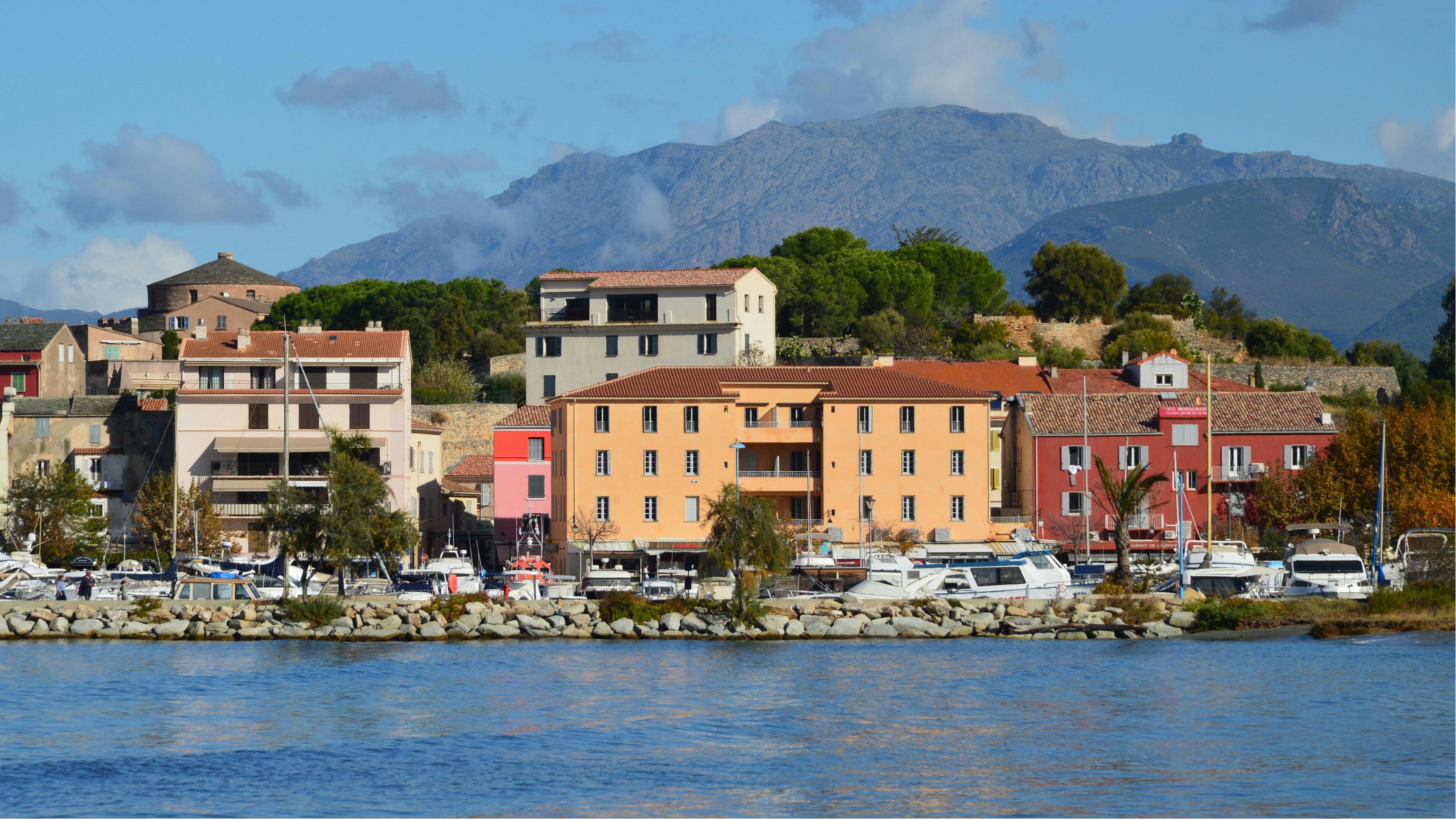
Saint-Florent is arguably the finest all-round base in northern Corsica. It is a bustling seaside port and village that captures everything wonderful about the island: restaurants serving fresh seafood, access to wild beaches, and proximity to dozens of incredible places. From here, you can take day trips to the wild beaches of the Désert des Agriates, go wine tasting in the nearby Patrimonio region, and explore the hilltop villages of the Balagne interior.
Porto and the Scandola Reserve
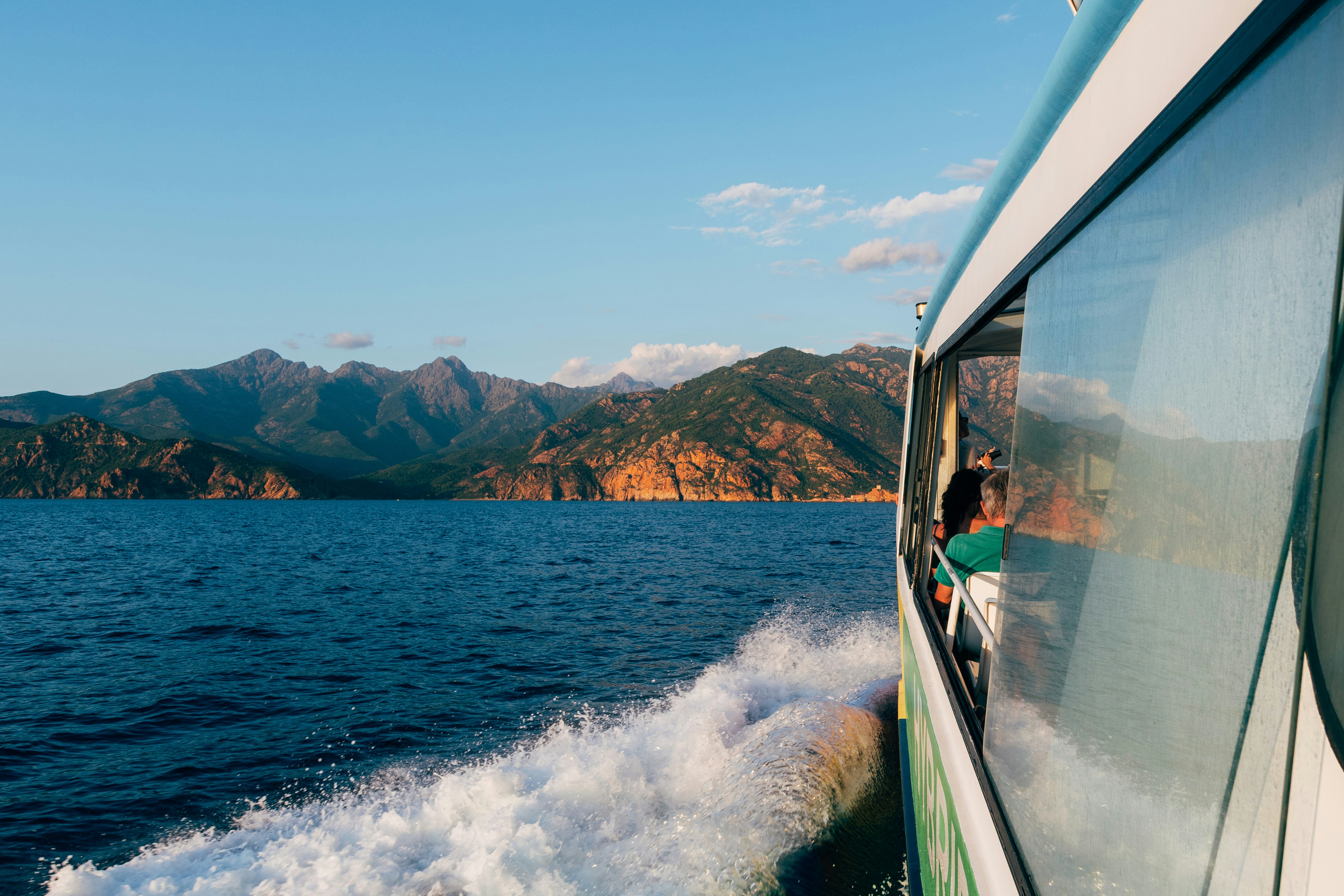
The Scandola Nature Reserve is a UNESCO World Heritage site on the west coast, known for its unique rock formations, wildlife, and crystal-clear waters. The coastline around Porto is among the most jaw-dropping in Europe: volcanic red cliffs, sea caves, and turquoise water with no roads to reach much of it, only by boat. In Corsica, any marine activity ever invented can be carried out: it is hallowed ground for sailors, a paradise for divers, and a dream coast for kayakers, surfers, and water skiers of all levels.
Also Read: Which City Is Known As The City Of Canals?
Calvi: Citadel and Sandy Beaches
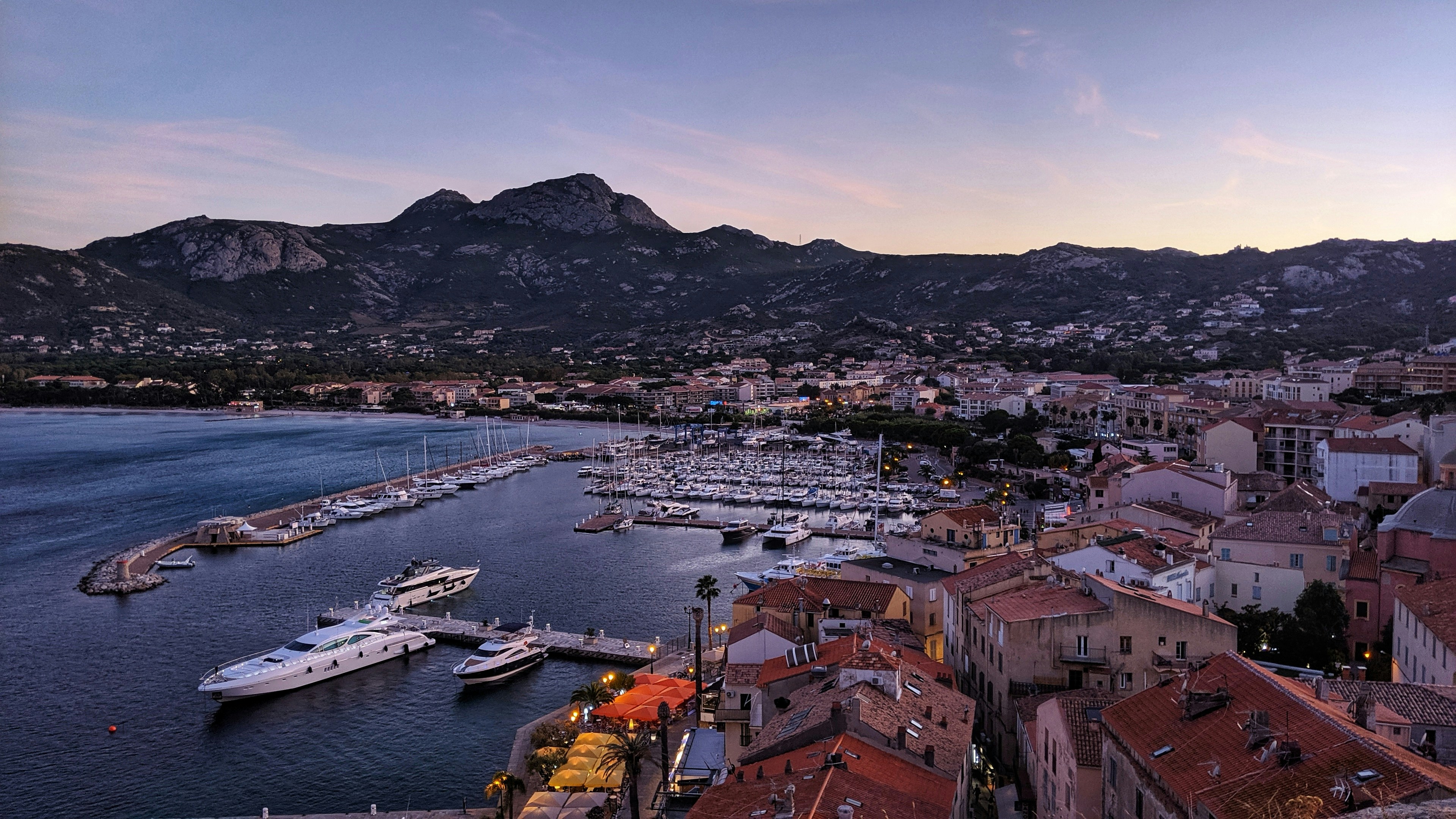
Known for its stunning beaches, vibrant marina, and the impressive Calvi Citadel, the town offers a mix of natural beauty and historical sites. The Genoese citadel sits high above the bay, giving you panoramic views of the sea, the town, and the mountains behind. It makes a very rewarding half-day visit, especially combined with a long lunch in the old town.
Corte: The Heart of the Island
The Restonica Valley, located near the town of Corte, is known for its beautiful gorges, clear streams, and hiking opportunities, including trails to the stunning lakes of Melo and Capitello. Corte itself is a historic university town with a striking citadel, and it gives you a window into an older, less touristy side of Corsica. If you want to genuinely understand this island beyond its beaches, spend a day or two here.
Porto-Vecchio: The South's Beach Capital
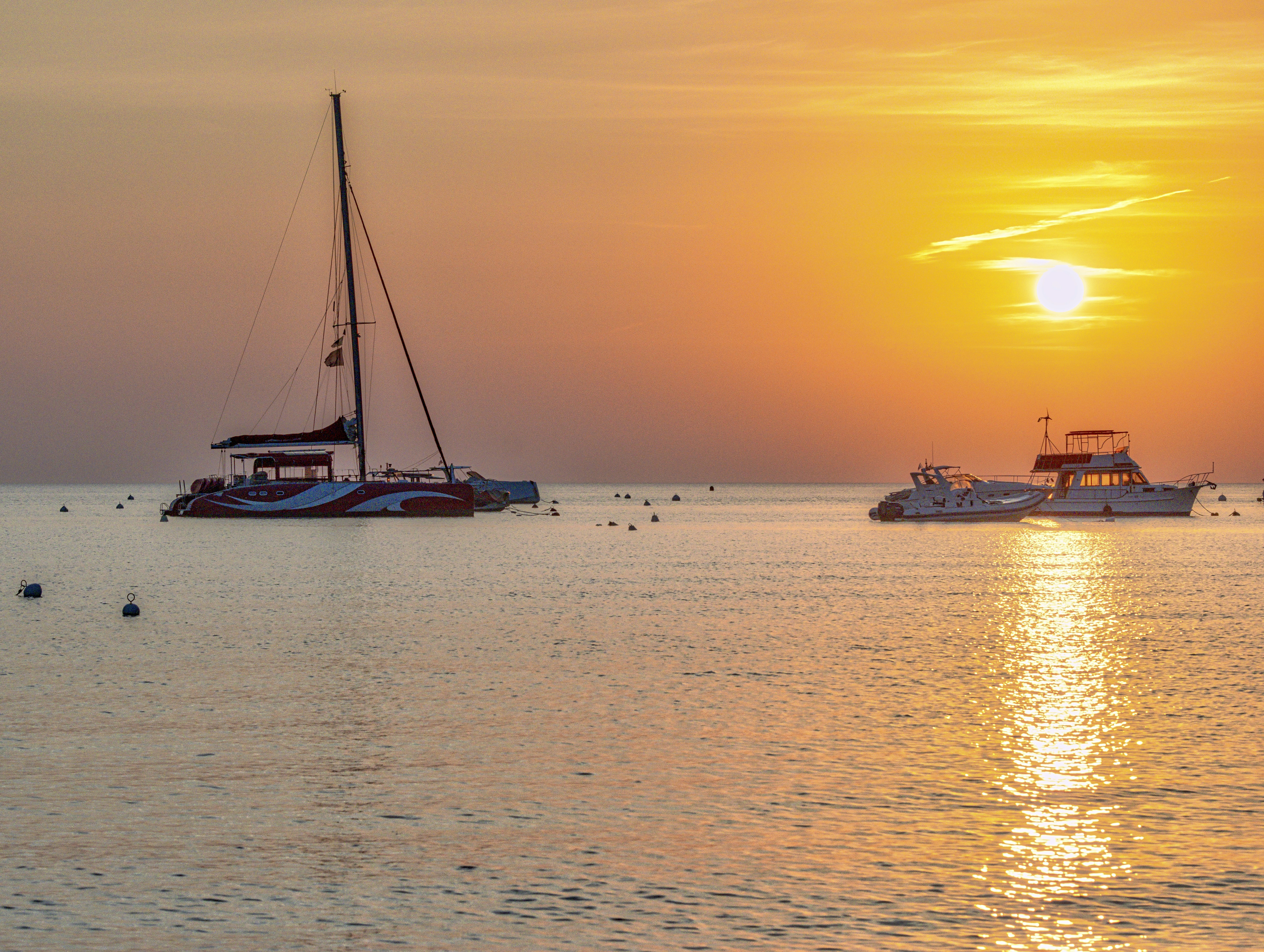
Porto-Vecchio offers a more polished side of the island, with chic luxury hotels and restaurants, and easy access to Bonifacio just down the coast. The beaches nearby, Palombaggia, Santa Giulia, and Rondinara, are among the finest in the entire Mediterranean. The sand is powdery and soft, and the water is clear and stunning.
When to Go
The best time to visit Corsica depends on what you want from your trip. For beaches and warm weather to swim, the recommendation is June through September. If you come in September, most of the crowds are gone, and the water is still very warm. Other pleasant months, if you are not focused on beaches, are May and October, both of which are great for hiking and enjoying the villages.
For Indian travellers, June and September are particularly good choices. June gives you long, warm days without the August peak-season rush, and September combines warm water with quieter roads and better availability at hotels and restaurants.
Practical Guide for Indian Travellers
Getting There
Corsica has no direct flights from India. The route is India to a European hub, then a connecting flight to Corsica. Corsica has four airports: Figari in the southeast, Ajaccio in the southwest, Bastia in the north, and Calvi in the northwest. The most common routing from Indian cities is via Paris, Rome, or Nice. Flight time from Paris to Corsica is about 1.5 hours. You can also reach Corsica by ferry from Nice, Marseille, Toulon, Genoa, or Livorno, a scenic option if you are already in southern France or Italy.
Visa
Corsica is part of France, which means you need a Schengen visa. Indian passport holders must apply at the French consulate or VFS Global. A tourist Schengen visa allows up to 90 days within the Schengen area. Apply at least 4 to 6 weeks before travel and provide standard documents, including travel itinerary, hotel bookings, bank statements, and travel insurance.
Getting Around
The best way to explore Corsica is by having a car. Public transportation is limited, and while there is a single scenic train route connecting coastal cities like Ajaccio, Bastia, and Calvi, it is quite limiting if you want to explore southern Corsica, smaller villages, beaches, or the interior of the island.
One important practical note: if you look up car rental agency reviews in Corsica, you will notice they are consistently poor. Many agencies primarily offer electric vehicles, and even if you reserve a petrol car online, they may give you an electric car at pickup. Be prepared for this and plan charging accordingly. Enterprise, National, and Alamo consistently have the highest ratings on the island.
Also, be aware that distances in Corsica are deceptive. The island looks small on a map, but winding mountain roads mean journeys take much longer than expected. Plan fewer stops per day and allow extra driving time.
How Long to Go For
To see the entire island properly, you would need at least two weeks, as it is quite large, the fourth largest island in the Mediterranean. However, you can see a portion of the island with a one-week itinerary. In one week, the recommended split is Saint-Florent in the north and Porto-Vecchio or Bonifacio in the south. With 10 or more days, adding Porto and the west coast unlocks the island's most dramatic landscapes.
Currency and Language
The currency is the Euro. Credit cards are widely accepted in larger establishments, but there are a handful of places you will come across that are cash only. Keeping 200 to 300 euros on you is advisable just in case.
The main language spoken is French, which is used in education, government, and everyday life. Alongside French, many locals also value Corsican (Corsu), a regional language closely related to Italian, particularly Tuscan. A simple "Bonjour" when entering a shop or restaurant is genuinely appreciated and goes a long way.
Food for Indian Travellers

Corsica is not known for vegetarian-friendly cuisine in the way some other European destinations are. The island's food traditions are meat-heavy: charcuterie, roasted meats, and fresh seafood dominate most menus. That said, larger towns like Ajaccio, Bastia, and Porto-Vecchio have restaurants with vegetarian options, and pasta and pizza are easy to find given the Italian influence. If you are strictly vegetarian, carrying some snacks from home or a nearby supermarket for longer driving days is wise. The local chestnut-based breads and pastries are widely available and delicious.
A Word About What to Expect
Here, you can easily start the day at the water's edge, and then follow little trails into the heart of thousand-year-old forests, climb wild mountains, and dine in the cool evening air under hundred-year-old plane trees in a tranquil village.
That rhythm is the essence of Corsica. It is not the island for back-to-back sightseeing. It rewards slowness, the long lunch by the sea, the detour down an unmarked road that leads to a hidden cove. Whether you are hiking through the wild interior, swimming in crystal-clear waters, or exploring hilltop towns filled with local crafts and Corsican songs, the island's character stays with you long after you leave.
Also Read: 6 Places Around The World That Come Alive With Flowers In Spring
The Isle of Beauty More Than Lives Up to Its Name
Corsica is one of those rare places that manages to be genuinely different from everywhere else you have been in Europe. It is not trying to be the French Riviera, and it is not trying to be Sardinia. It is something entirely its own: rugged, cultured, fiercely independent, and staggeringly beautiful. It is a rare luxury to be there before it becomes too well-known. For Indian travellers looking for an alternative to the predictable European circuit, this island offers mountains, beaches, history, food, and a spirit unlike anything else in the Mediterranean. Start planning, get your Schengen visa sorted, and go. The Isle of Beauty is very much waiting to be discovered.
Track Latest News Live on NDTV.com and get news updates from India and around the world


