There is a particular kind of magic that takes over Delhi the moment Ramadan begins. The city, already loud and restless on any given day, somehow becomes even more alive after sunset. Fairy lights blink along narrow Old Delhi lanes, the smell of charcoal and kebabs hangs in the air, and thousands of people gather with dates in hand, waiting for the azaan to break their fast. Whether you are here for the food, the faith, the festive buzz or simply the experience of watching a city come together, Delhi during Ramadan 2026 will give you something to remember long after the month is over. Here are ten places you absolutely must visit.
Also Read: From Katra-Srinagar To Mumbai-Madgaon: Most Scenic Vande Bharat Routes To Explore In 2026
1. Jama Masjid: Where It All Begins

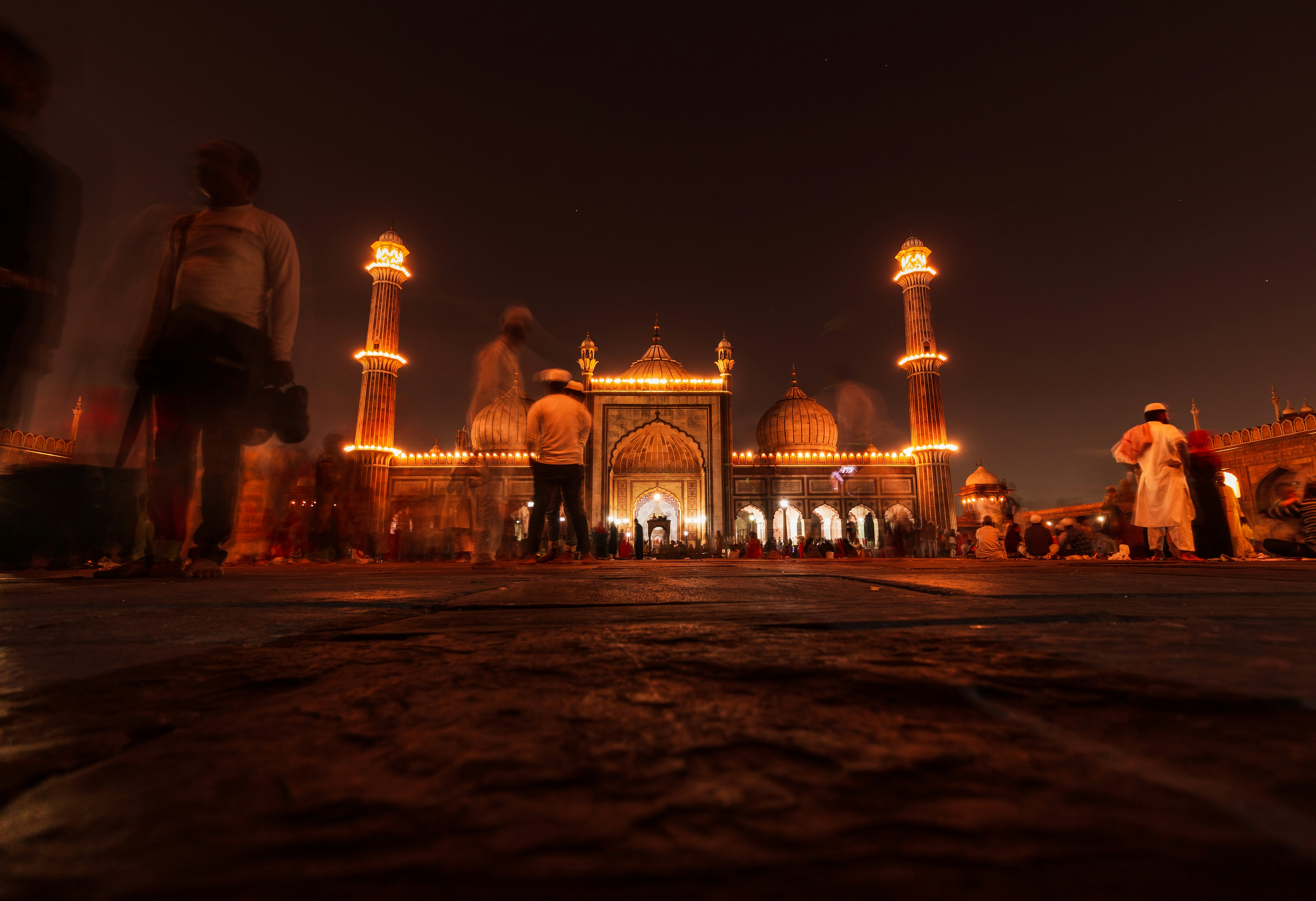
If Ramadan in Delhi had a headquarters, this would be it. Built by Mughal emperor Shah Jahan in 1656, Jama Masjid is one of India's largest and most magnificent mosques, and during Ramadan, it becomes the beating heart of the city's celebrations. By around 6 pm, the enormous courtyard is already packed. Families arrive early, spread sheets across the stone floor, and arrange their iftar spread: dates, sliced fruit, chana chaat, samosas, plastic bottles of rooh afza sherbet. When the azaan rings out, the entire crowd moves in unison. It is genuinely one of those moments that gives you goosebumps regardless of your faith.
Stay back after iftar for Taraweeh prayers. The mosque illuminated at night, with its three massive domes and two towering minarets glowing against the sky, looks absolutely stunning. If the minarets are open, climb up. The view of Old Delhi stretching out below, lit up in its Ramadan best, is something else entirely. Come hungry, come curious, and come respectful.
2. Matia Mahal: The Food Street That Never Lets You Down

Walk out of Jama Masjid's south gate and you are immediately swallowed by Matia Mahal, the most gloriously chaotic food street in Delhi. During Ramadan, this lane becomes legendary. Enormous pots of haleem simmer over low flames. Seekh kebabs line up over charcoal grills in rows, smoke curling up into the air. The smell alone is enough to make anyone's resolve crumble.
The must-orders here are nihari with khameeri roti (the bread is fluffy, slightly tangy, and absolutely perfect for soaking up the slow-cooked meat gravy), fried chicken that sells out embarrassingly fast, and shahi tukda dripping with thick rabri for dessert. You will almost certainly eat standing up, balancing a plate in one hand. You will not mind. Come with a group if you can, order everything, share generously, and expect to wait in line at the popular spots. It is completely worth it.
3. Chandni Chowk: Eid Shopping Central
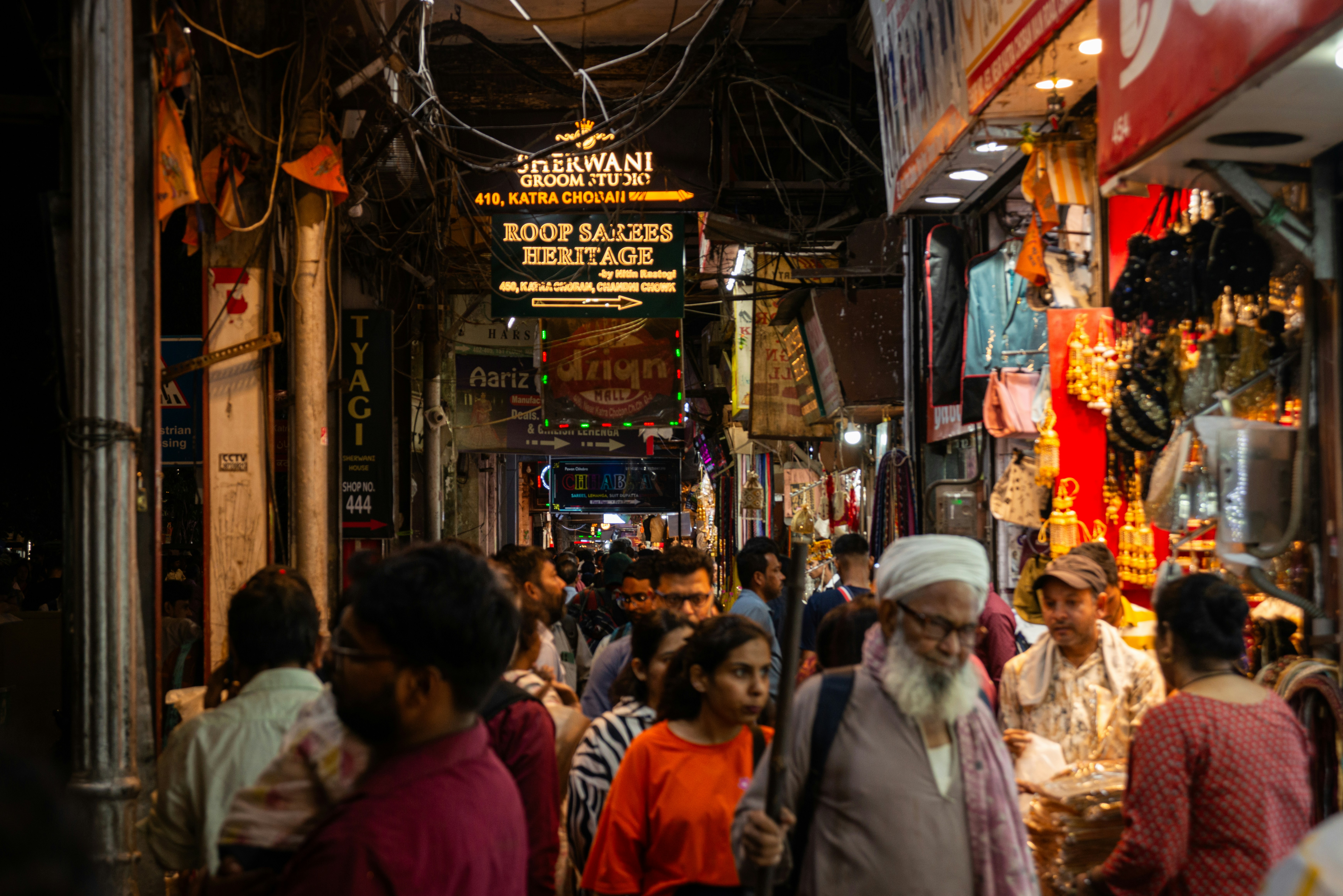
Chandni Chowk does not just survive Ramadan; it thrives in it. The already buzzing market goes into full festive overdrive. Shops stay open well past midnight. Fairy lights blink above crowded lanes. Everyone around you seems to be carrying shopping bags, comparing fabric swatches or arguing cheerfully over bangle colours.
Head to Kinari Bazaar for embroidered fabrics, laces and trimmings. Browse Dariba Kalan for silver jewellery that will not burn a hole in your wallet. Stop at a corner sweet shop for phirni served in tiny clay pots, chilled and creamy and deeply satisfying. The legendary Karim's is right here too, with its no-frills, no-nonsense mutton dishes that have been feeding Delhi since 1913. Chandni Chowk during Ramadan is not a sightseeing stop. It is an experience you wade into and let wash over you.
4. Hazrat Nizamuddin Dargah: For the Soul

After the noise and energy of Old Delhi, Nizamuddin feels like a different frequency entirely. The narrow lanes leading to this 14th-century Sufi shrine are lined with vendors selling rose petals, agarbatti and green chaadar cloth. There is a constant hum of quiet prayer and movement.
Inside, the mood shifts completely. During Ramadan, qawwali singers often perform in the evenings, sitting cross-legged and letting the music build and swell. People close their eyes. Some pray softly. You do not need to understand every word to feel the weight and beauty of it. This dargah, which houses the tomb of the revered Sufi saint Hazrat Nizamuddin Auliya, draws people of every faith and background, and during Ramadan, that feeling of collective seeking is especially palpable. Come here if you want to slow down and feel something.
5. Meena Bazaar: Eid Shopping, Done Right
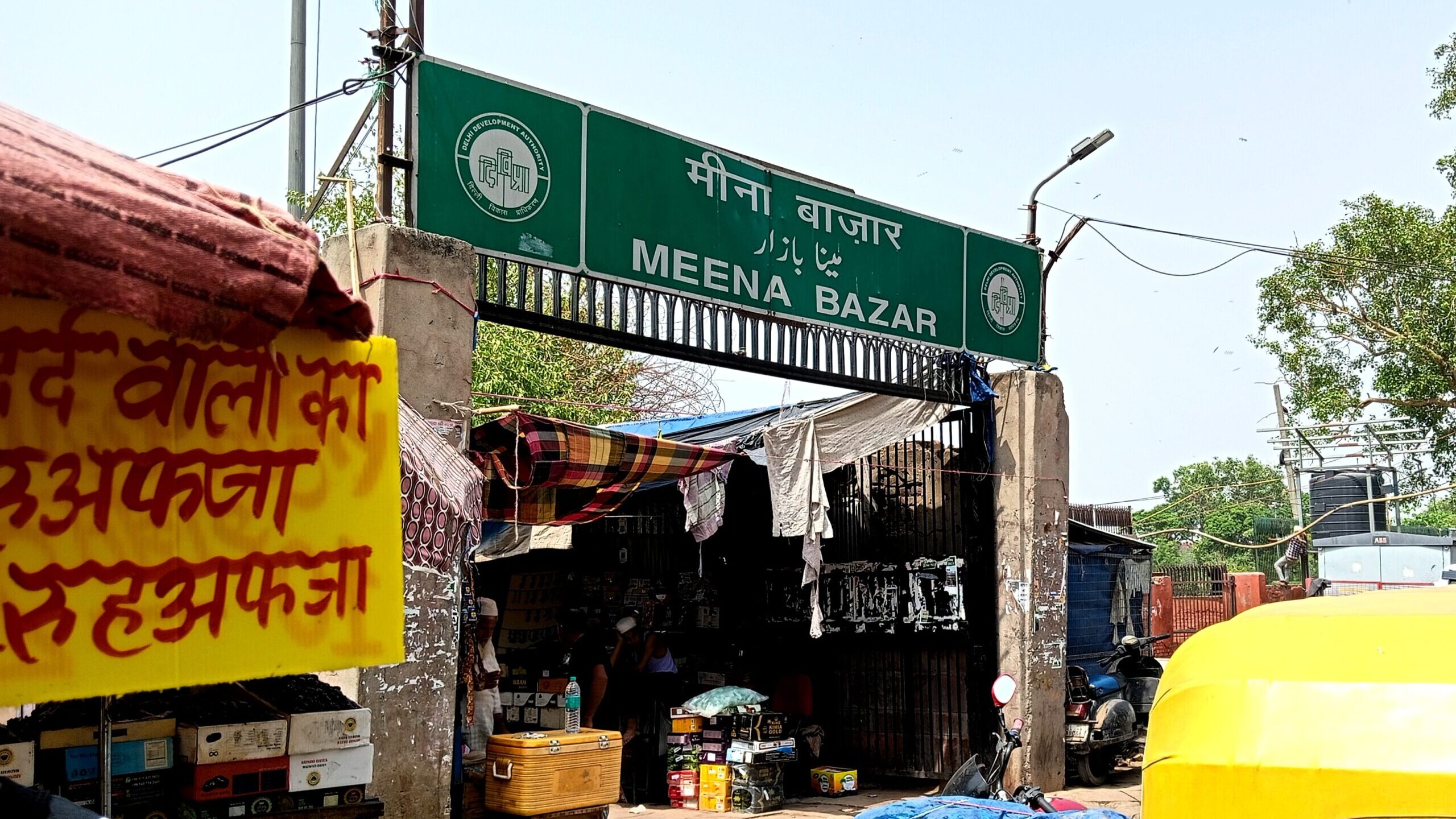
Tucked near Jama Masjid, Meena Bazaar is where serious Eid shopping happens. The market absolutely glitters during Ramadan. Stalls are hung with sequinned dupattas, embroidered kurtas, colourful bangles in every shade imaginable, iridescent skull caps and little bottles of ittar that smell like old Lucknow and warm evenings.
Tailors sit hunched over sewing machines right there in the lane, stitching last-minute fits for customers who waited too long. You can bargain confidently here. Pick up a kurta and pair it with a waistcoat, sort out your Eid outfit for a fraction of what you would pay at a boutique, and enjoy the process. Watching families choose outfits together, kids insisting on their favourite colour, parents trying to keep budgets under control, is half the entertainment. There is a warmth here that is hard to describe.
Also Read: 7 Places In India That Are Perfect For A March Trip
6. Ballimaran: Old School and Underrated
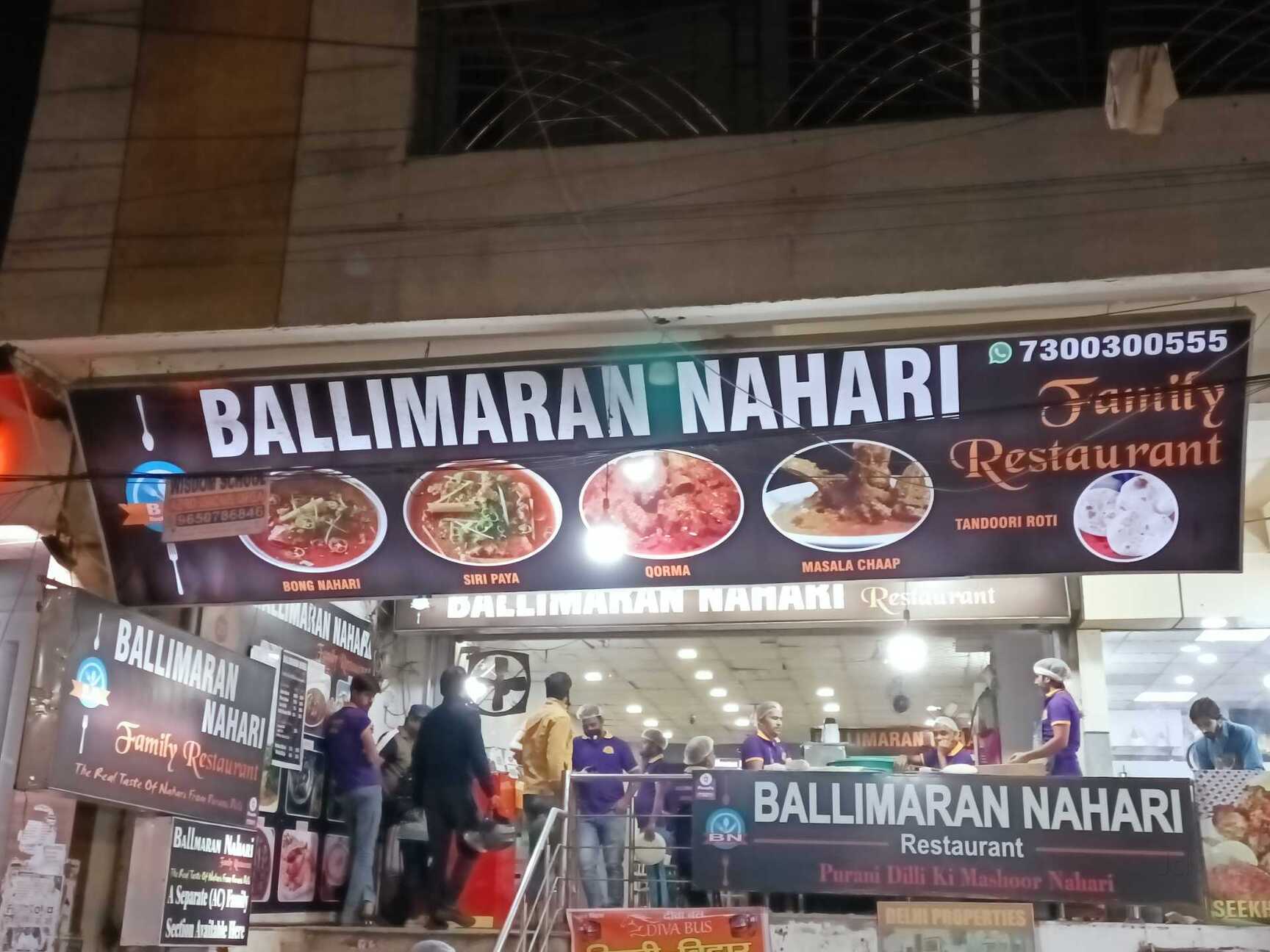
Ballimaran does not get enough credit, and that is honestly a shame. This neighbourhood, historically associated with the great Urdu poet Mirza Ghalib (his haveli is right here), has a lived-in, old-world quality that feels genuinely special during Ramadan.
The nights here mean nihari that has been slowly cooking since the previous evening, soft and fragrant sheermal brushed with saffron, and mutton stews that taste like they have been made the same way for a hundred years. It is slightly less crowded than the main Jama Masjid stretch, which makes it ideal if you want brilliant Ramadan food without the elbowing-through-crowds part. Also worth spending a few minutes at Ghalib's haveli, now a small museum, for a quiet sense of the history layered into these lanes.
7. Fatehpuri Masjid: A Calmer Alternative
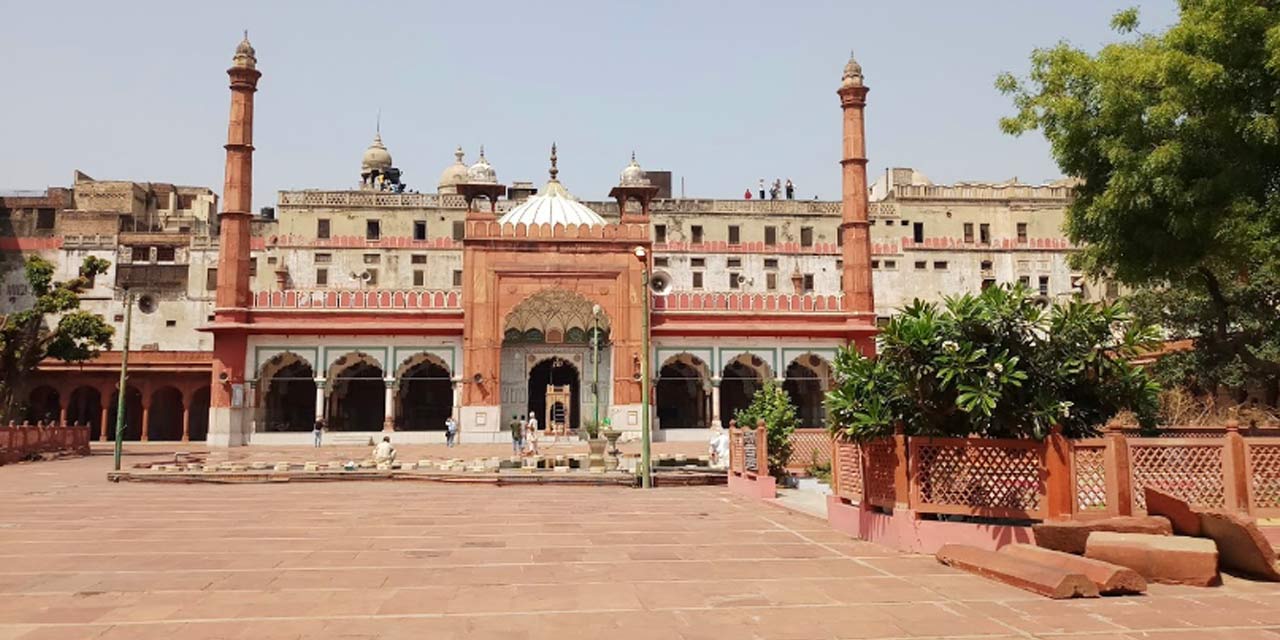
If Jama Masjid feels too overwhelming (it can, especially on weekends), Fatehpuri Masjid at the western end of Chandni Chowk is a wonderful alternative. Built in 1650 by one of Shah Jahan's wives, this mosque offers a quieter, more intimate Ramadan experience. The community iftar here has a lovely neighbourhood feel to it, with locals gathering in the courtyard and food being shared generously.
The market immediately surrounding Fatehpuri Masjid is also excellent for Ramadan essentials: dry fruits, prayer mats, attars and spices. If you want a more local, less touristy slice of how Ramadan actually feels for Delhiites who live and pray in Old Delhi, this is the spot.
8. Shaheen Bagh: South Delhi's Ramadan Hangout

Not everybody wants to navigate Old Delhi crowds every single evening. Shaheen Bagh, in South-East Delhi, offers a proper Ramadan atmosphere with considerably more breathing room. Evening markets spring up during the month, with shawarma stalls doing brisk business, trays of fried snacks appearing just before sunset, and stalls selling falooda, fruit cream and chilled drinks lined up along the roads.
Families stroll casually. Kids run around. Young people hang out in groups. It feels less like a tourist destination and more like a community celebrating together. If you are based in South Delhi and do not want a two-hour Old Delhi expedition on a weeknight, Shaheen Bagh is your answer.
9. Humayun's Tomb: Mughal Grandeur at Dusk
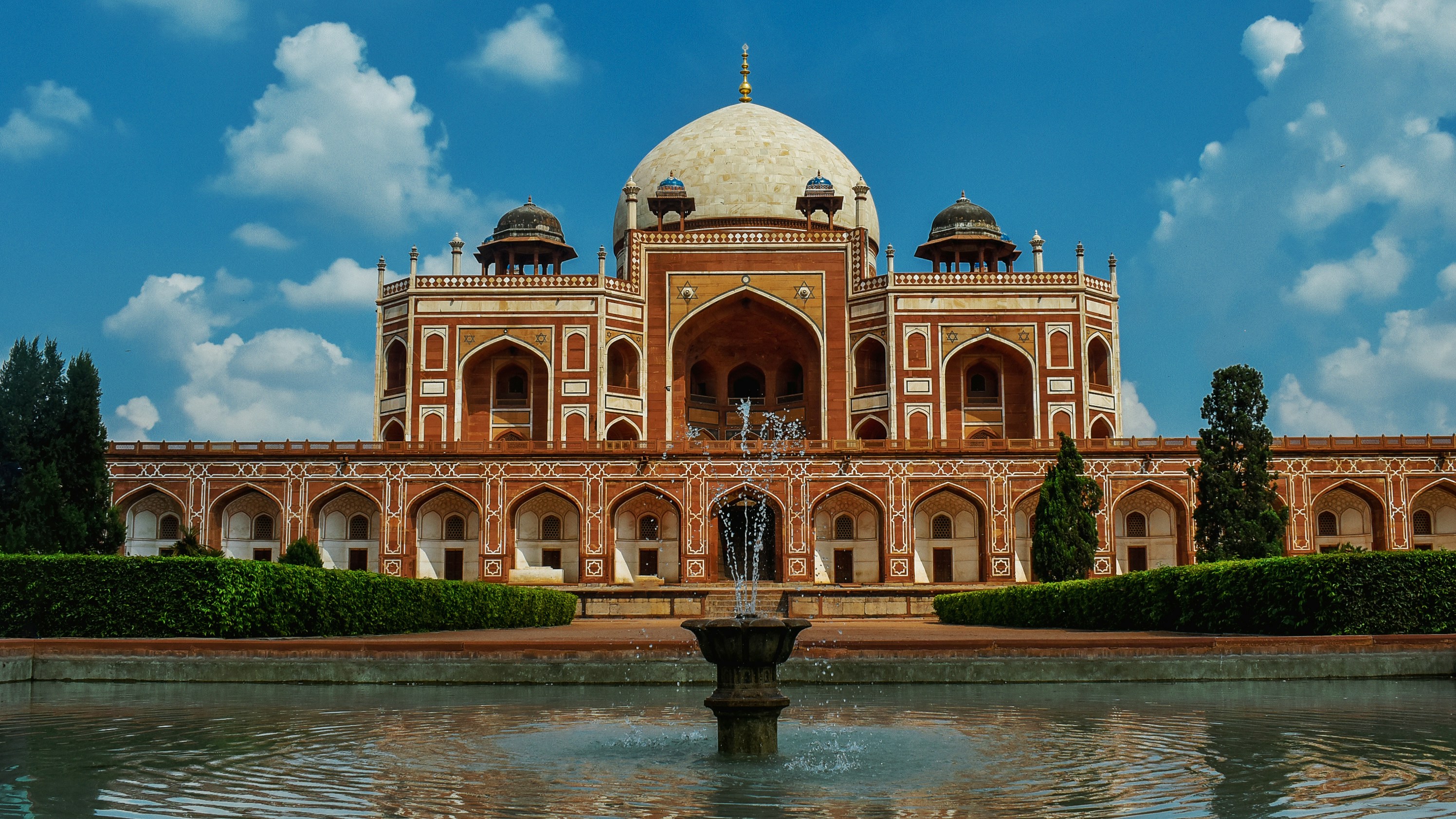
After a few nights of rich food and loud, wonderful chaos, you might find yourself craving something quieter. Humayun's Tomb, built in 1570 and a UNESCO World Heritage Site, is the perfect antidote. The red sandstone structure turns a deep, warm gold as the sun dips, and the surrounding Charbagh gardens stay peaceful even when the rest of the city is buzzing.
Visiting around sunset or just after iftar, when the light is gorgeous, and the crowds are thinner than during the day, gives you a completely different experience of this iconic monument. It is a reminder that the Mughal world that gave Delhi so much of its character, its food culture, its architecture, and its music, is still very much present here. Walk slowly. Sit somewhere quiet. Let it settle.
10. Lodhi Garden: Morning Calm Before the Day Begins
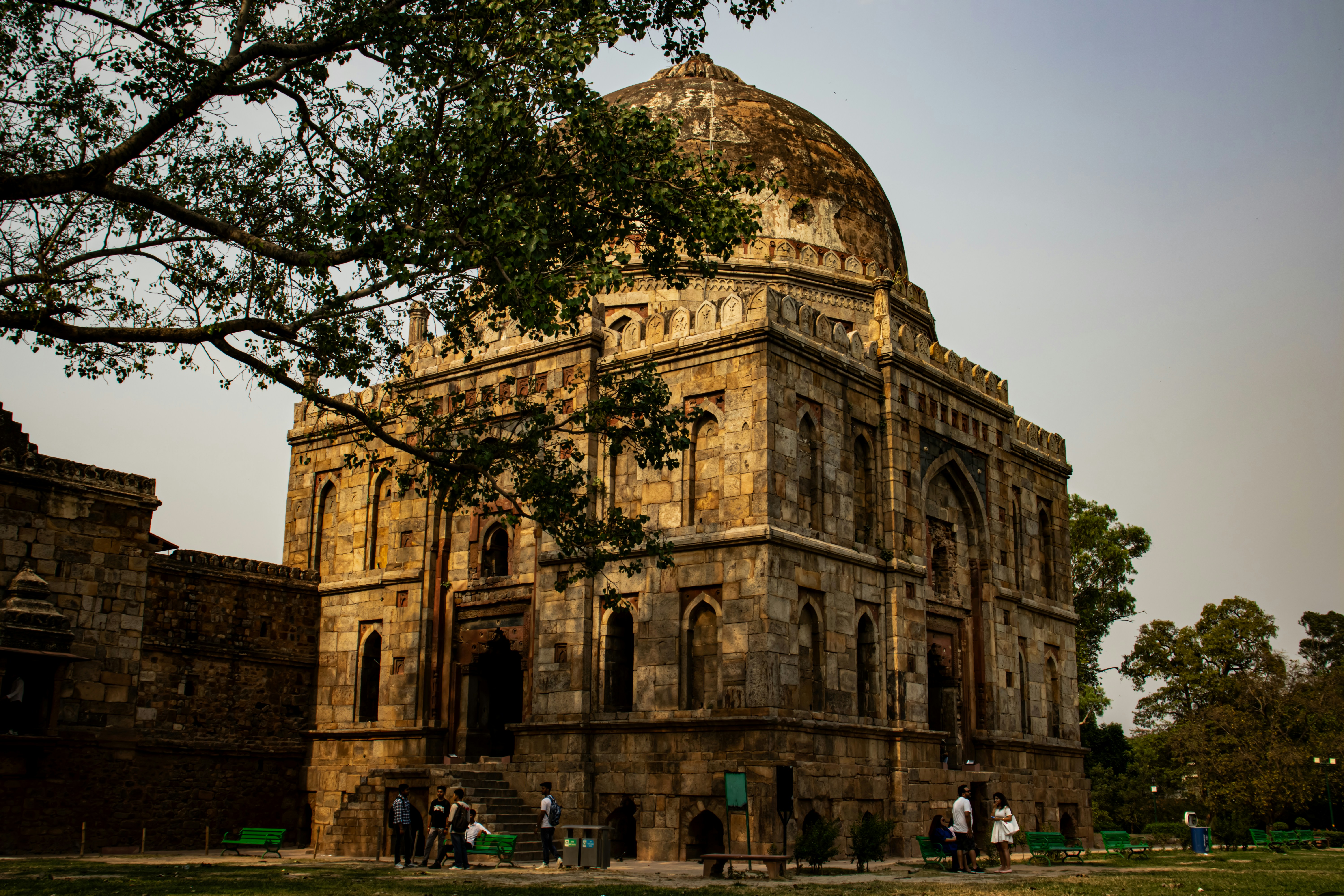
Ramadan has two quiet ends to its day: suhoor before dawn, and the slow wind-down late at night. Lodhi Garden is perfect for both. Spread across 90 acres in the heart of Central Delhi, the garden is home to 15th and 16th century tombs of the Lodhi and Sayyid dynasties, standing peacefully among old trees and manicured lawns.
Many people who are fasting choose an early morning walk here before the day heats up, or a gentle post-iftar stroll when they want to be outdoors but away from the energy of the markets. It keeps you active, gives you time to reflect, and the historic tombs in the morning mist or evening quiet have a beauty that is easy to overlook in a city that is always competing with itself for attention.
Also Read: UK Visa Changes 2026: E-Visas To Replace All Physical Documents, How It Affects Travellers
A Few Tips Before You Go
Dress modestly when visiting mosques and the dargah, covering your head and removing footwear at the entrance. Iftar timings shift each day slightly as the month progresses, so check the day's time before you head out. Most of Old Delhi's Ramadan food scene comes alive only after sunset, so plan your evenings accordingly. And carry cash, because most of these food stalls and market vendors do not take UPI.
Final Word
Delhi during Ramadan is one of those experiences that genuinely cannot be replicated. It is not just about the food, though the food is extraordinary. It is the particular feeling of a city pausing together at sunset, of strangers sharing dates, of music filling a courtyard, of streets that have been doing this for centuries and know exactly how to do it well. Whether you are Muslim or not, whether you are fasting or not, Delhi this Ramadan has something to offer you. You just have to show up.
Track Latest News Live on NDTV.com and get news updates from India and around the world


