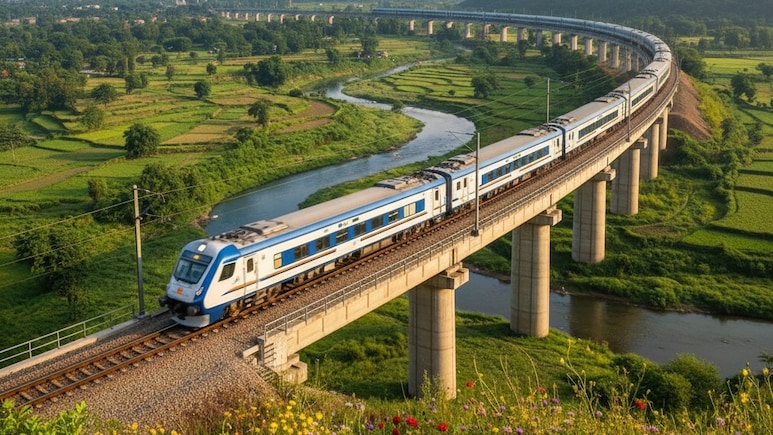
The Railway Board has reintroduced the emergency quota for Vande Bharat sleeper services and Amrit Bharat trains, revising an earlier decision that had removed the facility in January. The latest order was issued on 9 February and circulated to all zonal railways. The change has been made after the Board reviewed passenger demand, berth availability and the operational requirements of premium long distance services.
Officials have now been instructed to reserve dedicated berths for urgent travel in specific classes across these trains. This marks an important shift from the previous rule, which had allowed only a few categories such as women, persons with disabilities, senior citizens and duty pass holders to claim reserved seats.
Alsio Read: Man Thanks Indian Railways For Saving His Marriage Guests From Missing Saraighat Express
What The Railway Board Circular Says
According to the circular, Amrit Bharat trains that run with seven or more sleeper class coaches must earmark a total of twenty four emergency berths. These will be made available to passengers who require last minute travel due to verified emergencies.
For Vande Bharat sleeper services, the emergency quota is divided across classes and varies between weekdays and weekends. First AC will have four emergency berths on weekdays and six on weekends. Second AC will have twenty berths through the week and thirty on weekends. Third AC will offer twenty four berths on weekdays and forty two on weekends.
The Board has also directed zonal authorities to regularly monitor emergency quota utilisation on other express services and adjust allocation depending on passenger patterns and operational needs.
Who Can Use The Emergency Quota
The emergency quota is meant for passengers who need to travel due to verified urgent circumstances. Although each case is examined individually, eligible categories generally include medical emergencies, official duty requiring immediate travel and serious family situations. Even though high ranking officials often request seats under this category, common passengers may also be allotted berths when documentation supports the urgency.
These berths cannot be booked online. Passengers must apply through designated railway officials and approval is granted only after verification. Applications are usually made a day before the date of travel, depending on the station and availability.
Other Quotas That Remain In Place
The reintroduced emergency quota will operate alongside existing categories in these trains. Women passengers, those with disabilities, senior citizens and travellers with duty passes will continue to receive reserved berths. No other quotas, including Reservation Against Cancellation, will apply to Vande Bharat sleeper or Amrit Bharat trains. This rule remains unchanged.
Also Read: Gujarat To Get 6th Vande Bharat As Ahmedabad-Udaipur Train Rolls Out Today
Additional Instructions On Staffing
In a separate communication, the Railway Board has asked General Managers to revive the system of granting ad hoc promotions to Group B officers on a one time basis. The move aims to fill senior scale vacancies that have begun to affect operational and safety functions.
Priority will be given to Group A and Junior Scale officers with either three or four years of service. Group B officers with six or more years in Level eight or nine may be considered for temporary elevation where necessary. These arrangements are valid for a maximum of one year and cannot extend beyond three years or past the year 2028.
Track Latest News Live on NDTV.com and get news updates from India and around the world


