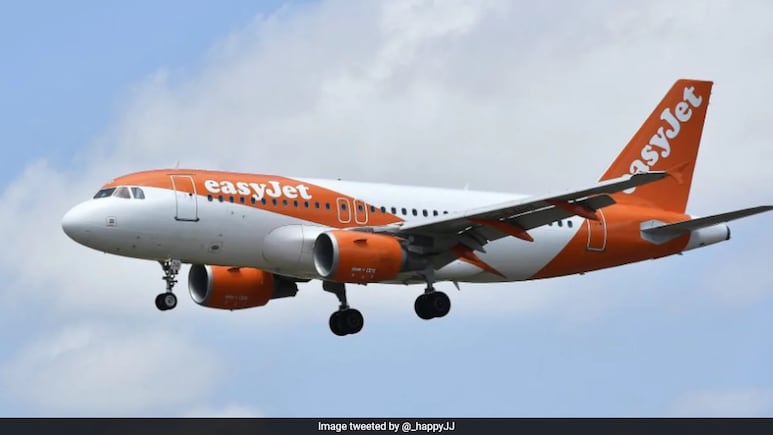
Passengers on an easyJet flight from London Southend Airport to Malaga in Spain were asked to disembark shortly before departure after the aircraft was found to be too heavy to safely take off under prevailing conditions. As per reports, the incident occurred on April 11, triggering delays and last‑minute changes for travellers onboard. The issue arose due to a combination of aircraft weight, weather conditions, and runway limitations at Southend Airport. Unfavourable wind conditions meant the aircraft required a longer take‑off run than usual, while the airport's relatively short runway restricted how much weight the plane could safely carry.
Also Read: Karnataka Introduces New Trekking Rules Amid Safety Concerns: What Travellers Should Know
Passengers Removed Before Departure
easyJet first asked for volunteers to leave the aircraft, offering alternative travel arrangements. When not enough volunteers came forward, additional passengers were asked to disembark to bring the aircraft within operational limits. The airline confirmed that the decision was taken for safety reasons. In a statement shared with the BBC, an easyJet spokesperson said:
“Safety is always our highest priority and on this occasion, the aircraft was required to operate with weight restrictions due to weather conditions.” Reportedly the aircraft eventually departed once the required number of passengers had left the plane.
Why The Aircraft Was Too Heavy
Aviation experts explained that high winds can reduce an aircraft's allowable take‑off weight, especially at airports with shorter runways such as Southend, which has a runway of just 1,856 meters. While passengers and luggage were within normal limits, the combined conditions meant weight had to be reduced.
The Independent reported that the issue was linked to operational safety rather than a technical fault with the aircraft.
What Are Passengers' Rights In Such Situations?
When passengers are asked to leave a flight due to weight and balance restrictions, the decision is treated as an operational safety measure under aviation rules. Passenger entitlements depend on whether they volunteered to disembark or were required to leave the aircraft.
Also Read: Indian Woman Shares Life Lessons From Living And Travelling In Europe
In general:
- Passengers who volunteer to unboard are usually offered rebooking, care and compensation agreed with the airline.
- Passengers required to leave may be eligible for rerouting, assistance and potential compensation under UK and EU aviation rules, depending on the specific circumstances.
- Weight‑related offloading is not automatically classed as an extraordinary circumstance, though airlines may contest compensation on safety grounds.
In this case, reportedly, easyJet said the passengers who agreed to disembark were provided transport and an alternative flight to Malaga later the same day free of charge, and that the airline is working with them to offer compensation in line with applicable regulations.
Depending on the length of the delay and individual circumstances, affected passengers may be eligible for compensation running into several hundred dollars.
Track Latest News Live on NDTV.com and get news updates from India and around the world


