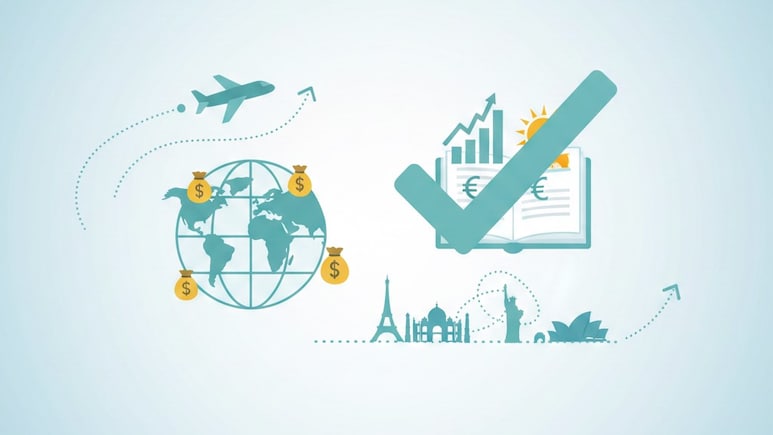
- Tourism highlighted as a key economic driver in India's Union Budget 2026-27
- TCS on overseas tour packages reduced to 2% to ease international travel costs
- Industry experts have welcomed the plans outlined and shared their thoughts about future development
In a clear signal that tourism is no longer a peripheral concern but a pillar of economic strategy, the Indian Government's Union Budget 2026-27 placed fresh emphasis on boosting travel, hospitality and experience-led tourism across the country. Finance Minister Nirmala Sitharaman underscored the sector's potential as an engine for job creation, regional development and foreign exchange earnings, outlining a suite of measures to strengthen infrastructure, skills and destination appeal. Sector stakeholders welcomed the tone and the intent, saying the Budget goes beyond numbers to redefine how India presents itself to domestic and international travellers alike.
Beyond headline allocations, the Budget carved out initiatives designed to improve accessibility, enhance visitor experience and build long-term talent pipelines within the hospitality economy. From sustainable travel corridors to heritage and eco-tourism circuits, and from skills development to fiscal relief for outbound travellers, the Budget reflects a broad ambition to make India a must-visit global destination while energising local tourism ecosystems.
Key Travel, Tourism & Hospitality Highlights From Budget 2026-27
- Tourism as a Growth Driver: The government pitched tourism as a strategic economic driver with the potential to generate jobs, boost forex inflows and catalyse growth in allied sectors.
- Cheaper International Travel: Tax Collected at Source (TCS) on overseas tour packages cut to 2%, easing upfront costs for Indian travellers.
- Heritage & Cultural Tourism: Development of 15 major archaeological and cultural sites into enriched visitor destinations.
- Sustainable & Adventure Tourism: Plans for eco-friendly mountain trails, turtle trails and bird-watching corridors in key natural regions across the country.
- Medical Tourism Boost: Five regional medical hubs to be developed in collaboration with the private sector.
- High-Speed Connectivity: Announcement of seven high-speed rail corridors, including routes expected to boost connectivity to key tourism hubs.
- Hospitality Education Boost: Proposal to set up a National Institute of Hospitality by upgrading the existing hotel management council.
- Skills & Guides Training: Pilot scheme to train 10,000 tourist guides across iconic destinations with structured programs.
How Tourism And Hospitality Experts Reacted To Budget 2026
Industry leaders across tourism, hospitality and travel services broadly welcomed the Union Budget 2026, describing it as a clear shift in how the government views the sector. Responses pointed to the Budget's emphasis on decentralised destination development, skills, infrastructure, etc., as signals of a more structural approach to tourism-led growth.
Tourism As A Tool For Balanced Regional Growth
Manoj Bhat, Managing Director & CEO of Mahindra Holidays & Resorts India Ltd, said the Budget reflects an intent to distribute tourism growth more evenly across regions rather than concentrating it in established hubs. He stated, "The Union Budget 2026 reinforces the government's intent to use tourism and hospitality as levers for balanced economic growth rather than treating them as standalone consumption sectors. The focus on destination development beyond metros, improved physical connectivity, and a sharper push on spiritual and heritage circuits reflects a recognition that tourism growth must be geographically distributed and locally rooted. Equally important is the emphasis on skilling and workforce development."
Building Institutional Capacity And Long-Term Competitiveness
Echoing this broader framing, Zubin Karkaria, Founder & CEO of VFS Global, underlined the government's recognition of tourism as a multi-dimensional economic catalyst, while flagging the long-term impact of institutional and capacity-building measures. He pointed out, "By recognising tourism as a catalyst for jobs, foreign exchange, and regional development, the government is building a more competitive and resilient travel ecosystem. The emphasis on capacity building is encouraging, with measures towards infrastructure development, skill enhancement, and institutional support that will help strengthen service quality, destination readiness, and ease of doing business. Initiatives like the National Institute of Hospitality, upskilling of tourist guides, and the National Destination Digital Knowledge Grid will have an enduring impact in the long-term. Sustainable, heritage, and experiential tourism, along with support for medical tourism hubs, will diversify India's offerings, while reductions in TCS on overseas tour packages and TDS under the Liberalised Remittance Scheme for education will ease financial pressure on Indian travellers and students, boosting global mobility and connectivity."
Hospitality Growth Beyond Metros And Established Hubs
Hospitality operators, meanwhile, highlighted the Budget's focus on connectivity, sustainability and destination-led tourism beyond major urban centres. Nikhil Sharma, Managing Director and COO, South Asia, Radisson Hotel Group, said the measures could reshape travel patterns and accommodation demand across emerging markets. He explained, "The renewed focus on strengthening last-mile infrastructure, expanding rail connectivity and promoting destination-led tourism beyond major metropolitan centres creates a strong foundation for expanding tourism into new growth markets. The focus on sustainable and experiential tourism, including the development of Himalayan trails, the continued push for Buddhist circuits, and the strong policy thrust on the Northeast, will support the growth of diverse tourism segments while enabling more balanced regional development. These measures are expected to encourage longer stays, wider travel dispersal, and stronger demand for quality accommodation and services across tier-2 and tier-3 markets."

Photo Credit: Unsplash
Online travel platforms echoed this view, noting that improved connectivity plays a key role in encouraging travellers to explore newer destinations. Manjari Singhal, Chief Growth and Business Officer, Cleartrip, said, "Continued investments in building an integrated network of roads, railways, airports and emerging connectivity like seaplanes will make travel easier, more accessible and better distributed, supporting the next phase of both domestic and inbound tourism growth. As infrastructure improves access and connectivity, these efforts help travellers feel more confident to explore new regions and experiences."
Investor Confidence And Destination Readiness
From an investment standpoint, the Budget was seen as improving visibility and confidence for hospitality developers. Ranjit Batra, CEO of Ventive Hospitality Limited, pointed to the importance of infrastructure planning and regulatory consistency. He stated, "A sharper focus on efficient utilisation of public funds, regional development and urban infrastructure planning improves visibility for hospitality investments, particularly in emerging cities and leisure destinations. Alongside this, continued attention to skilling, employment creation and regulatory consistency supports the sector's labour-intensive growth model. Collectively, these measures strengthen investor confidence, accelerate destination readiness and enhance India's competitiveness as a global tourism and events market."
Mobility, Airports And Travel-Linked Infrastructure
Travel and mobility-linked businesses also expect positive spillover effects. Varun Kapur, MD & CEO of Travel Food Services Limited, said coordinated infrastructure planning would support sustained growth in passenger movement. He said, "The sustained focus on quality capex, and coordinated planning across transport and urban infrastructure strengthens the operating environment for businesses that are closely integrated with passenger mobility and airport ecosystems. The Government's initiatives towards strengthening hospitality infrastructure and improving facilities for travellers and tourists will naturally encourage greater confidence and mobility, leading to further growth and a sustained boom in air travel, in addition to the strong tailwinds already in place."
Budget measures around capital expenditure and destination readiness were also seen as critical for expanding access to new-age tourism circuits and improving experience quality. Aviral Gupta, CEO at Zostel and Zo World, said, "The proposed Rs 12.2 trillion capital expenditure across roads, railways, airports and regional connectivity will significantly improve access to heritage, mountain, coastal and emerging tourism circuits. The Budget's reduction of the tax on overseas tour programme packages from 5% to 2% is a positive step that simplifies outbound travel and reflects the growing scale of global tourism activity. The focus on experience quality through the training of 10,000 certified tourist guides, investments in hospitality education, and the development of 15 archaeological and cultural sites into experiential destinations marks a clear shift towards value-led tourism."
Relief For Outbound Travellers And Families
On the consumer-facing side, travel companies welcomed the reduction in Tax Collected at Source (TCS) on overseas spending, calling it a meaningful relief for travellers and families. Karan Agarwal, Director, Cox & Kings, said the change would directly improve affordability and added, "The reduction of TCS to 2% on overseas tour packages and LRS remittances for education/medical purposes cuts the upfront cash drag for travellers and families. Where customers previously faced up to 5%-20% held at source on big ticket spends, this change effectively unlocks Rs 10,000-Rs 40,000 for every Rs 10 lakh spent abroad."
Demand Boost And Medical Tourism Opportunity
Travel platforms also expect the TCS reduction to translate into tangible demand growth, particularly for outbound travel, while benefiting from wider connectivity and healthcare-led tourism initiatives outlined in the Budget. Rikant Pittie, CEO & Co-Founder, EaseMyTrip, noted, "The reduction of TCS on overseas tour packages to a flat 2% is a significant step that eases the financial burden on travellers and is expected to boost outbound bookings by 10-12%. Enhanced connectivity through new air routes, inland waterways, and tourism-focused infrastructure will improve access to both urban and remote destinations. At the same time, the Budget's strong emphasis on medical tourism positions India as a global healthcare and wellness hub, while creating employment across healthcare, hospitality, and allied sectors."
Medical Tourism Emerges As A Policy Priority
Several industry voices also highlighted the Budget's explicit push towards medical tourism, particularly the plan to develop regional hubs in partnership with the private sector. Govind Gaur, CEO, WanderOn, said, "The announcement of five regional medical tourism hubs, developed in partnership with the private sector, through integrated healthcare complexes for diagnostics and rehabilitation, further strengthens India's positioning as a global medical tourism destination."
Others said the move could strengthen India's positioning in purpose-led and wellness-driven travel segments. Dr. Vikas Katoch, Founder and CEO, Adotrip, said, "The proposal towards medical tourism by creating five regional hubs will help improve India's position in global tourism. Already known for our Ayurvedic and yoga-based healing, the creation of five regional healthcare hubs will attract global tourists. This will improve the category of purpose-led travel in the country."
Faith-Based Tourism And Temple Town Economies
Meanwhile, stakeholders focused on faith-based tourism described the Budget's approach as transformative for temple towns and pilgrimage destinations. Giresh Vasudev Kulkarni, Founder of Temple Connect and ITCX International Temples Convention and EXPO, said the policy could fundamentally alter local economies: "The move to include temple towns in the City Economic Regions is very bold and appropriate. The allocation of Rs 5,000 crore per CER over a period of five years will help modernise infrastructure, fuel local trade and tourism and translate rising visitor numbers into higher transaction value revenues. This, in fact, will turn temple towns into self-sustaining engines of economic growth while maintaining the sanctity and culture of these sacred spaces."
Click here to read about Budget 2026's provisions for medical tourism.
Track Latest News Live on NDTV.com and get news updates from India and around the world


