There's a predictable life cycle to a "hidden gem" in India now. Someone posts a reel from a quiet valley. It gets 2 million views. Within a season, the one homestay becomes fourteen, the single chai stall becomes a café with a neon sign that says "The Himalayas are calling," and the quiet is gone. Kasol did it. Bir did it. Gokarna, which people used to whisper about as the Goa that Goa forgot, now has traffic on the road to the beach.
So the question I keep hearing from people who actually travel, not the ones collecting locations, is simple. Where do we go before the algorithm gets there?
I don't think it's a secret list. It's more about reading the early signs. A place is usually two or three years out from blowing up when the road just got finished, when the state tourism board starts running a festival there, and when one good boutique stay opens, and nothing else has caught up yet. Those three things together are the tell.
Also Read: 8 Offbeat Indian Destinations That Shine In October's Autumn Charm
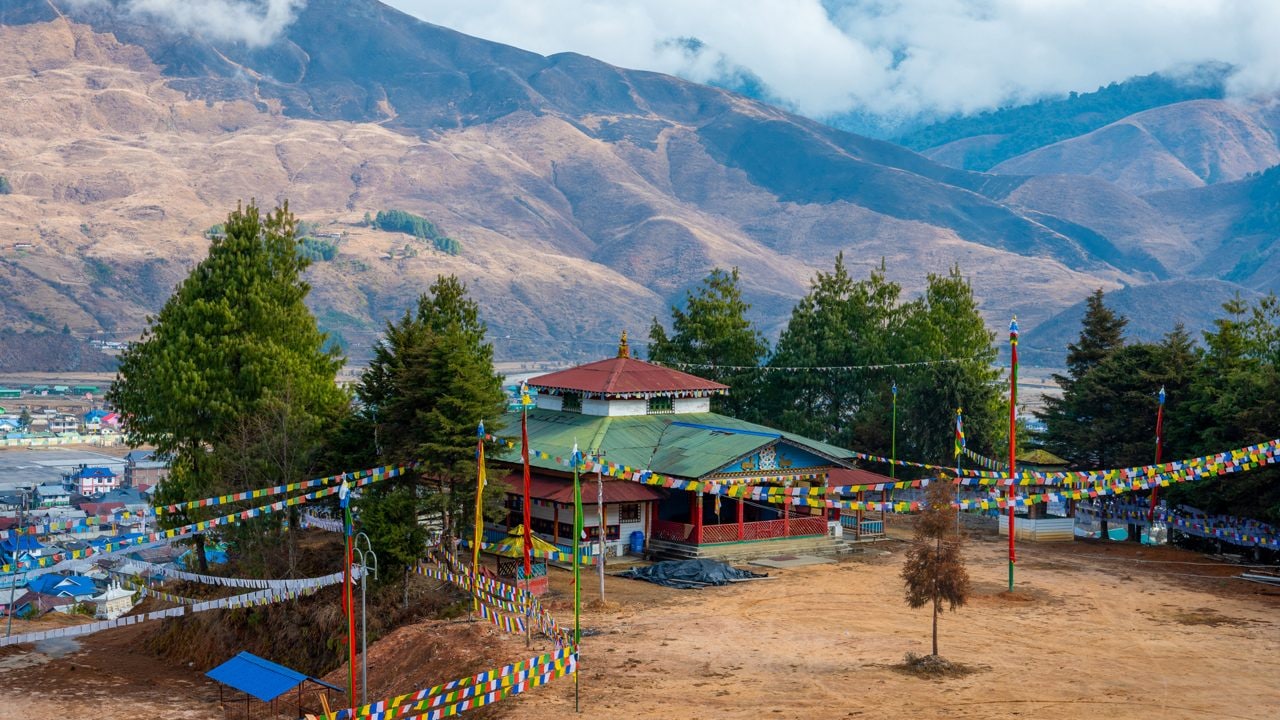
Photo Credit: incredibleindia.gov.in
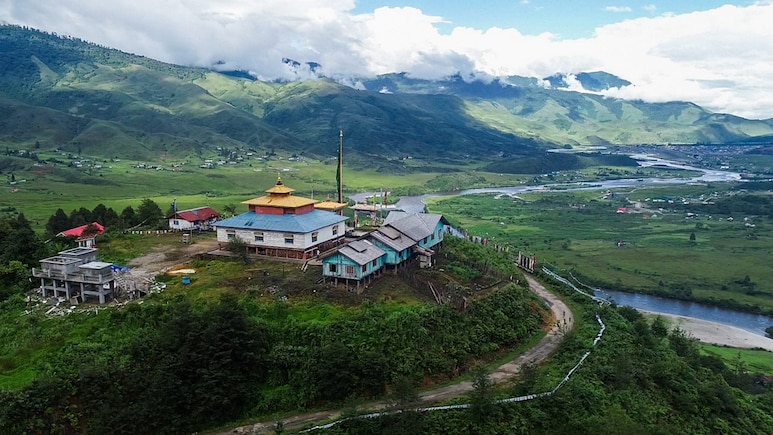
The northeast is where most of them are hiding. Arunachal Pradesh keeps coming up, and for good reason. Ziro Valley already has a music festival and a growing reputation, so it's probably past the "before" stage. But push a little further. Mechuka, near the border, is the kind of place where the valley floor is flat and green, and the monastery on the hill has maybe a dozen visitors on a good day. The reason it's stayed quiet is boring and practical: you needed permits, and the drive was punishing. Both of those are easing, which is exactly why it won't stay quiet. Meghalaya has the same shape. Everyone knows the living root bridges near Cherrapunji now, and on a weekend you queue for them. The villages deeper in the Khasi hills, the ones without a Wikipedia page, are where the actual thing still exists. Nagaland outside the Hornbill Festival week is another one. For 51 weeks a year, almost nobody goes.
The south has its own quiet interiors, and they get mapped wrong. Everyone thinks of Kerala backwaters and the Nilgiris. The gaps in between are more interesting. Chettinad in Tamil Nadu is a stretch of small towns full of enormous, half-empty mansions built by a trading community a century ago, with Athangudi tiles on the floors and a food culture that people fly across the country for. It gets written about. It does not get crowded. That's a strange and lovely combination that won't last. Gandikota in Andhra Pradesh gets called the Grand Canyon of India, which is the sort of comparison that usually means "please come here." A gorge, a river, a crumbling fort, and until recently no real place to stay. Andhra tourism has started fixing that. Read the room.
Then there are the desert edges and the high desert. Kutch in Gujarat swells for the Rann Utsav and empties out after. The artisan villages around Bhuj, where families still do bandhani and Rogan painting the way they did before it was a design-magazine story, are open year-round and mostly ignored outside festival season. Up north, everyone's done, Leh. The next layer is places like the Aryan valleys near Dha and Hanu, or the far side of the Nubra where the road just improved. Improved roads are the single most reliable predictor of what floods next. Spiti went from expedition to Sumo-taxi in about a decade for exactly that reason.
Also Read: Just 1 Hour Away From Shimla, Fagu Village, The Land Of Apple Orchards, Should Not Be Missed
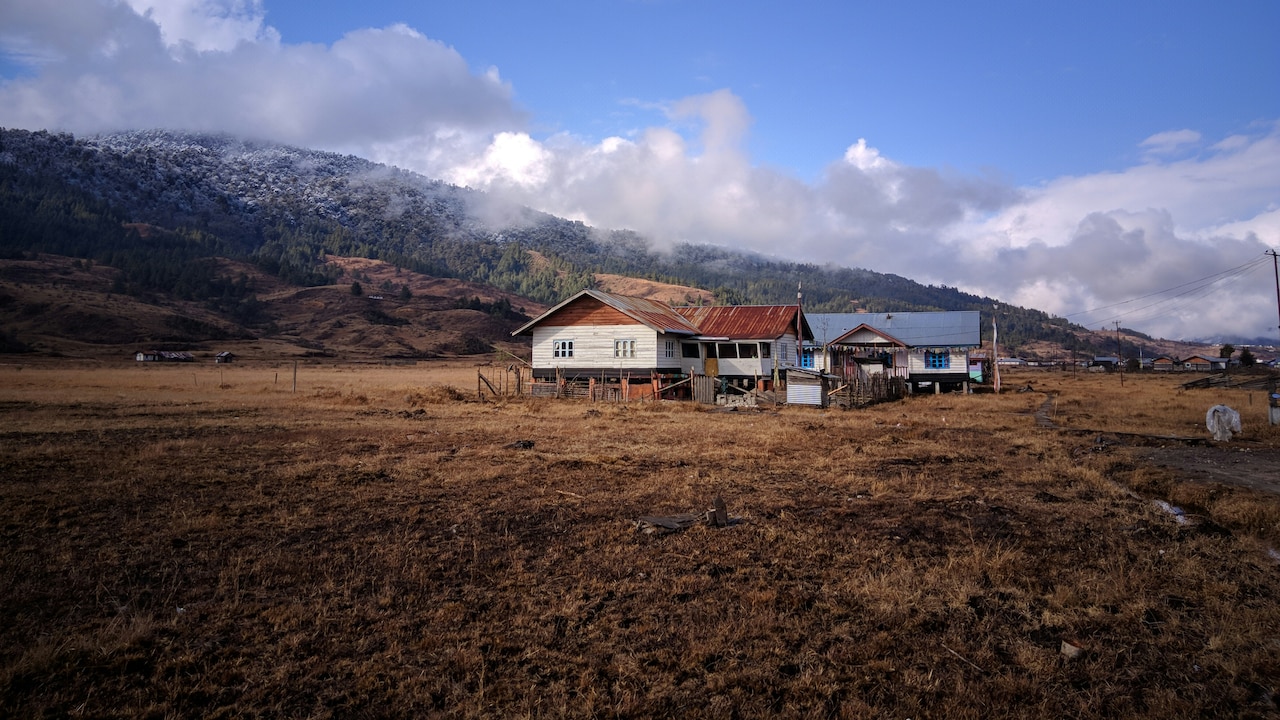
Photo Credit: unsplash
Here's the uncomfortable part. If you're reading this to get somewhere first, you're also part of what changes it. I've watched it happen, and I don't have a clean answer. What I'd say is this. Stay with people who live there, not in a chain that flew its staff in. Spend money on the grandmother's kitchen and the guy with the shared jeep, not on the imported latte. Go in shoulder season when your rupees matter more, and the place isn't already straining. And maybe don't geotag the exact spot. The village doesn't need your 4,000 likes. It needs twelve travelers a week who'll actually talk to someone.
None of these places are going to stay off the radar. The road always gets finished. The festival always finds an audience. In three years, half of this list will have a rooftop café and a parking problem, and someone will write the same article about somewhere else. That's fine. Just go now, go gently, and leave it in better shape than the reel would.
About the author: Pranav Dangi is the Founder and CEO of The Hosteller.
Track Latest News Live on NDTV.com and get news updates from India and around the world


