Travelling abroad often comes with the assumption that once you've booked your flights and hotels, most daily expenses will feel familiar. But that is rarely the case. Small, everyday things you take for granted in India - water, restrooms, even sitting down for a coffee - can quietly add to your bill overseas. These aren't tourist traps in the usual sense; they are part of local systems, service cultures, and business norms. The problem is that no one really warns you about them until you are already standing at a counter, awkwardly realizing you owe more than expected. If you are travelling on a budget or just like knowing where your money is going, these are a few costs worth being prepared for.
Also Read: Mussoorie vs Dehradun: Which Is The Better Holiday Spot For You
Here Are 7 Surprising Things You Have To Pay For When Travelling Abroad
1. Tap Water Isn't Always Free

Photo: Unsplash
In many European countries, restaurants are not obligated to serve free tap water. Instead, they automatically bring bottled water - which is charged per bottle and added to your bill. In places like France, Italy and Spain, you often have to specifically ask for tap water, and even then, it may not always be available. In countries such as Japan or South Korea, tap water is drinkable but not routinely offered at restaurants. Over multiple meals, this small cost quietly adds up, especially for families.
2. Condiments Often Cost Extra
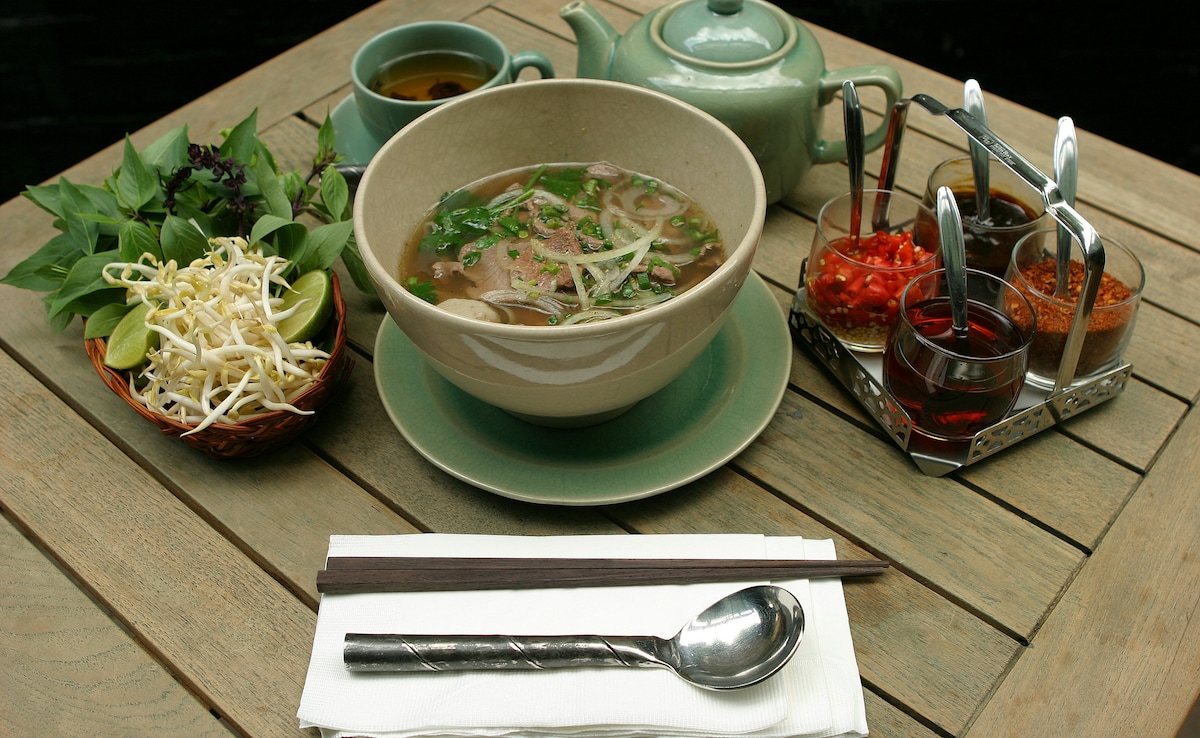
Photo: Unsplash
Unlike in India, where sauces and chutneys usually come with your meal, many countries charge separately for condiments. In parts of Europe, Southeast Asia and even Australia, ketchup, mayonnaise, or chilli sauce packets may be priced individually. Fast-food chains, cafes and casual eateries commonly do this. It feels minor at first, but when every extra sauce costs a euro or two, it can noticeably inflate your food bill - especially if you are eating out frequently.
3. Bread And Table Snacks Aren't Complimentary
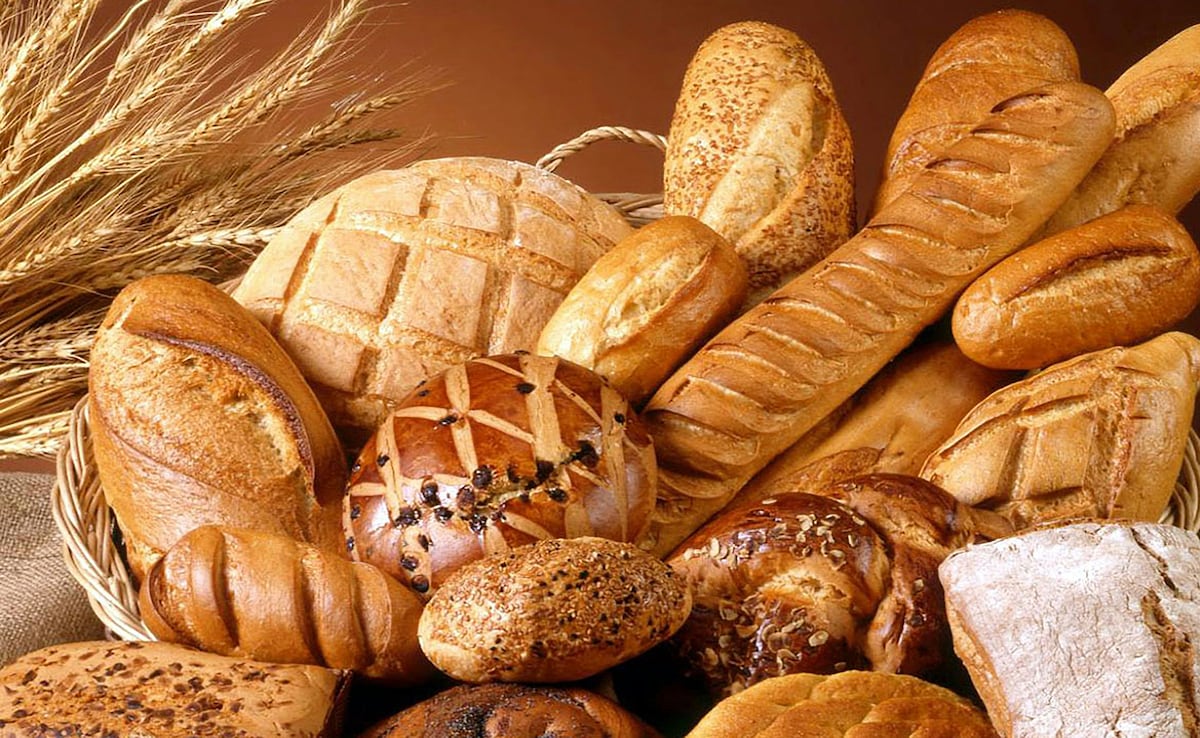
Photo: Unsplash
That innocent-looking bread basket placed on your table isn't always free. In countries like Italy, Spain, Greece and Japan, bread, olives or small starters are often charged per person - whether you eat them or not. Many travellers assume these are complimentary and only notice the charge later on the bill. In some places, this is listed as a “cover charge” or “coperto”. It's a cultural norm, not a scam, but it can still catch you off guard.
4. Public Restrooms Often Require Payment
Photo Credit: Unsplash
Public toilets in several European countries charge an entry fee, usually ranging from €0.50 to €1. In places like Germany, the Netherlands and parts of France, this is standard practice at stations, tourist areas and even shopping zones. Some facilities also require payment for toilet paper or operate via turnstiles that only accept coins. If you're travelling long hours or with children, these small but frequent costs become unavoidable.
5. Sitting Down At A Cafe Can Cost More
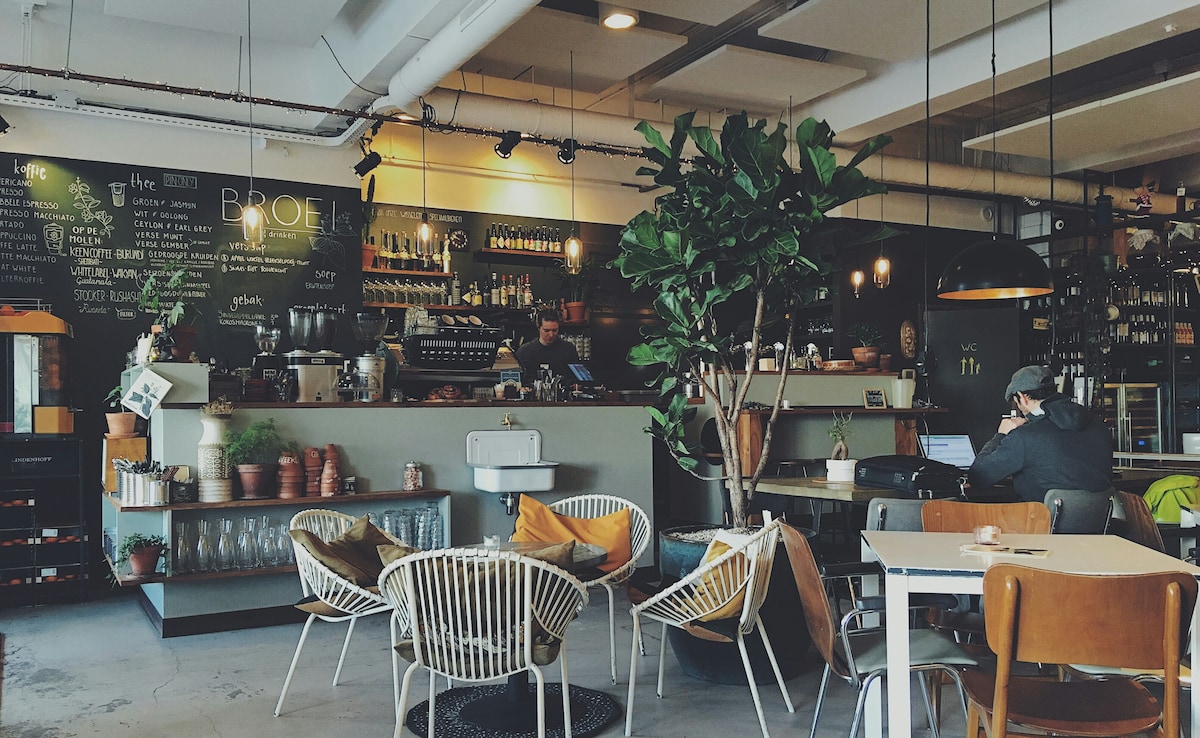
Photo: Unsplash
In countries like Italy, France and Japan, the price of your coffee or snack can change based on how you consume it. Ordering takeaway is cheaper, while sitting at a table - especially in tourist areas - includes a service charge. In Italy, this difference is clearly visible between “al banco” (at the counter) and “al tavolo” (at the table). The drink is the same; you're paying for the space and service.
6. Luggage Storage Is Rarely Free
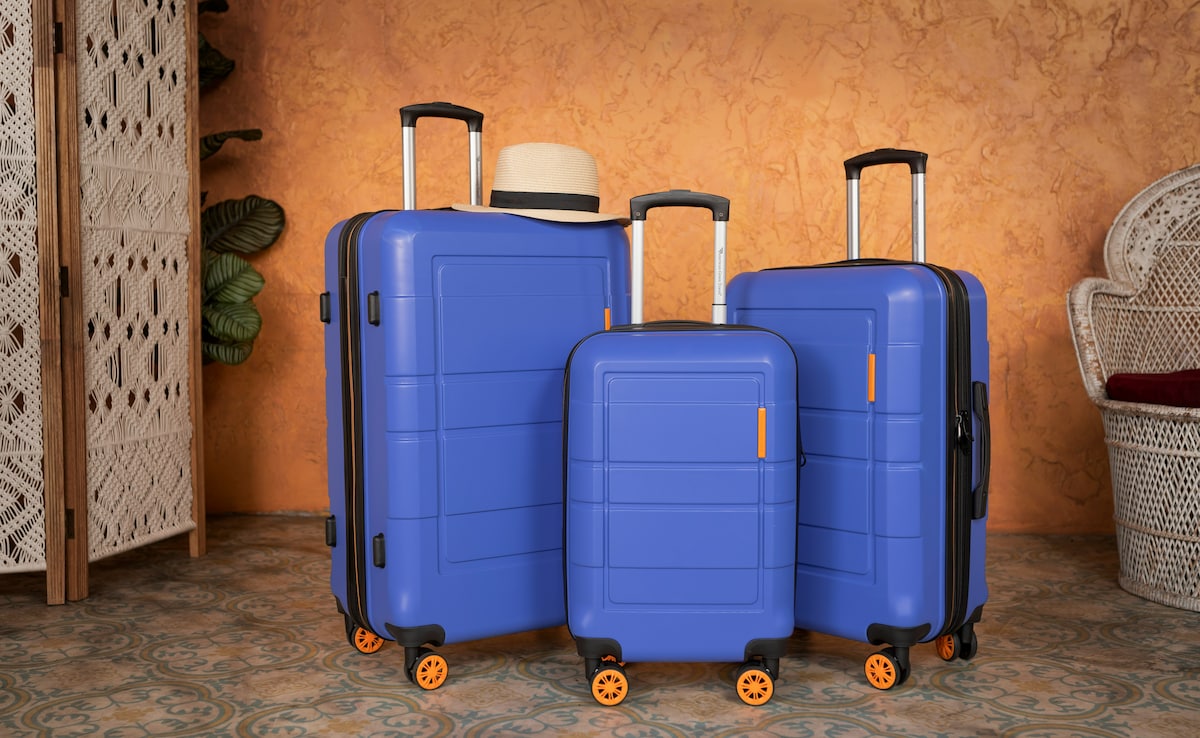
Photo: Unsplash
Unlike Indian railway stations, many international stations and city centres charge for luggage storage. Lockers at airports, train stations or tourist hubs are often priced hourly or per day, and costs can add up quickly during long layovers or early hotel check-out days. In cities like Paris, London or Tokyo, storing a suitcase for a few hours can easily cost more than a meal.
7. Hotel Basics May Come With Hidden Charges
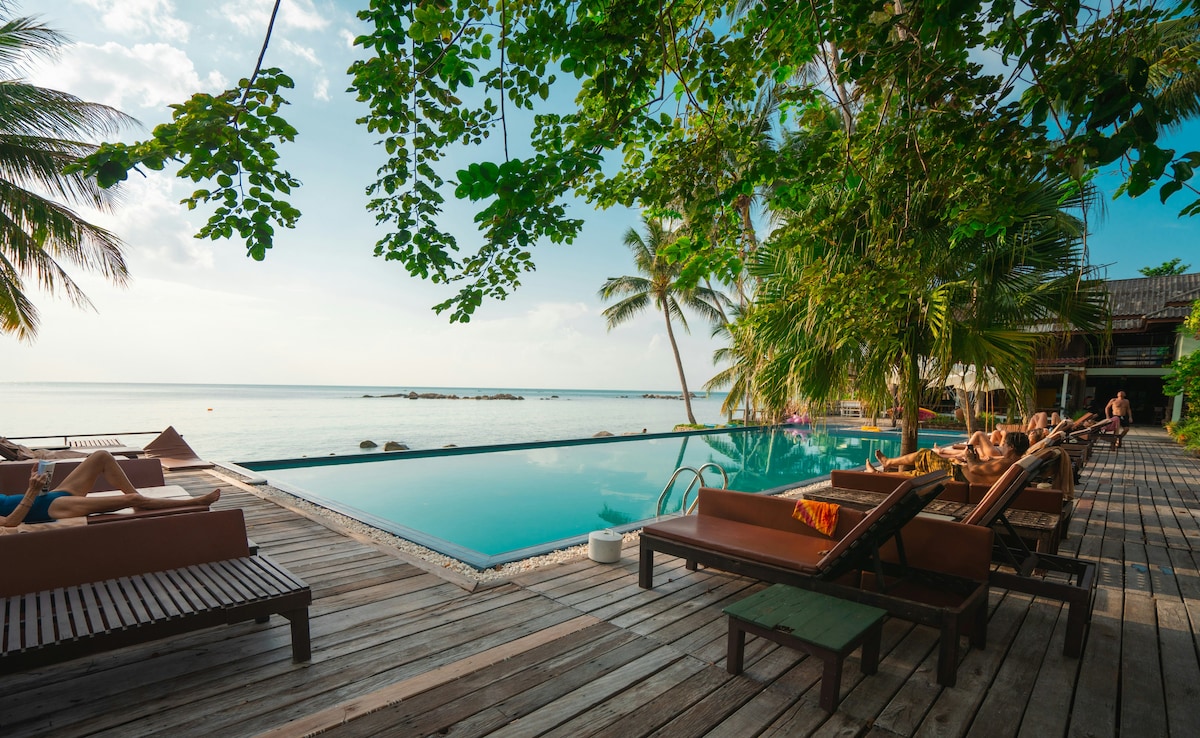
Photo: Unsplash
Even mid-range hotels abroad sometimes charge extra for things Indians assume are standard - daily housekeeping, luggage assistance, or early check-in and late check-out. In some European hotels, room cleaning is optional and paid, especially for short stays. City taxes, charged per night per person, are also common and usually paid separately at check-out, not included in your booking price.
How Travellers Can Avoid These Extra Costs | How To Avoid Extra Costs During Travel
While many of these charges are part of local culture abroad, travellers can easily avoid - or at least reduce - most of them with a little planning. The trick is to know where these extra expenses typically appear and make small adjustments to your daily routine while travelling.
1. Carry Your Own Water Bottle
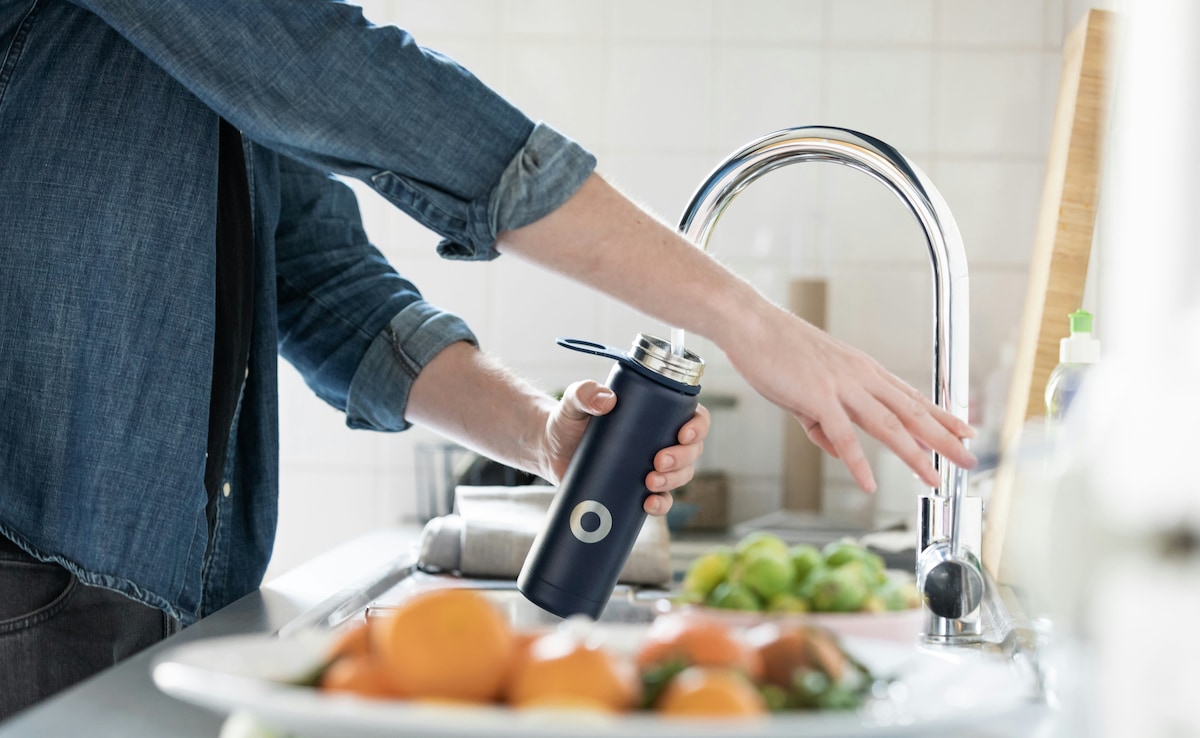
Photo: Unsplash
Tap water is safe to drink in several countries, even if restaurants don't offer it for free.
- Refill at airports, hotels, public fountains or cafes that allow it
- Check local water safety before drinking from taps
This alone can save you several euros a day.
2. Check Menus For Cover Charges
In Europe, bread baskets, snacks and even table seating often come with automatic fees.
Before you sit down:
- Look for coperto (Italy), cubierto (Spain) or “service charge”
- Ask if table snacks are complimentary - or politely decline them
This prevents bill shock later.
3. Use Free Restrooms Whenever Possible
Paid toilets add up quickly during sightseeing. To avoid repeated spending:
- Use washrooms in museums, malls, restaurants and train rides
- Plan restroom breaks before entering tourist-heavy areas
- Keep small change for emergencies
4. Choose For Takeaway Instead Of Sitting In
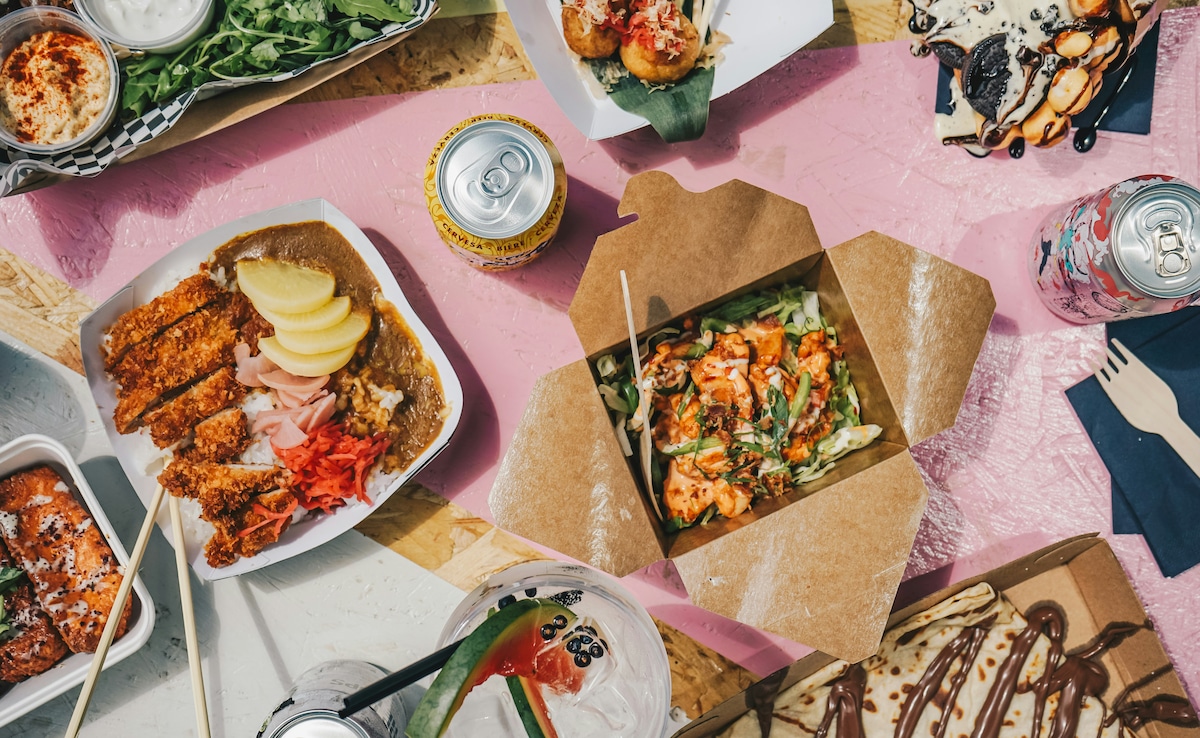
Photo: Unsplash
In countries like Italy, France and Japan, standing at the counter is cheaper.
- Order “to‑go” or “al banco” to skip table service fees
- Sit in public squares or parks if the weather is nice
5. Learn the Local Tipping Culture
Tipping is optional in some countries, mandatory in others.
Check if the service charge is already added to your bill
- In the US and Canada, expect 15–20 per cent
In Europe, rounding up is enough unless specified
Knowing the norms prevents over‑tipping or double-tipping.
6. Store Luggage Smartly
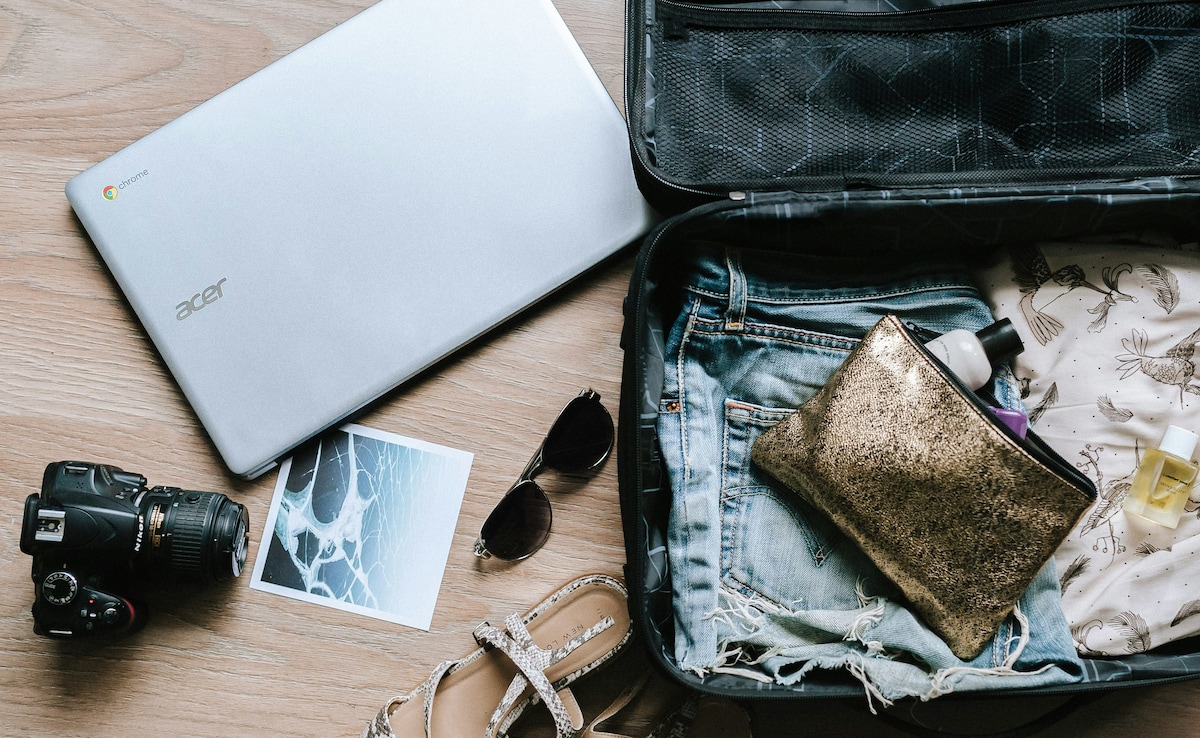
Photo: Unsplash
Instead of paying for expensive station lockers:
- Ask your hotel for free storage even after checkout
- Use apps that list cheaper luggage storage spots
- Plan sightseeing routes to avoid backtracking with bags
Also Read: From Hampi To Kochi: 7 Top South Indian Destinations For Architecture Enthusiasts
7. Choose Hotels That Include Essentials
City taxes, housekeeping fees and early check‑in charges can inflate your stay.
- Filter for “no city tax” or “all fees included”
- Choose hotels with complimentary cleaning for short stays
- Request early check‑in/late checkout in advance - it's often free when pre-arranged
So, the next time you are travelling abroad, make sure to refer to this article so you don't get last-minute financial surprises!
Track Latest News Live on NDTV.com and get news updates from India and around the world


