



Space Weather
- All
- News
- Videos
-

Recycled Human Waste Can Turn Mars, Moon Dust Into Fertile Soil, Study Finds
This breakthrough has significant implications for future human missions to Mars and the Moon
-
NASA’s Carruthers Observatory Begins Mission to Study Earth’s Hydrogen Halo
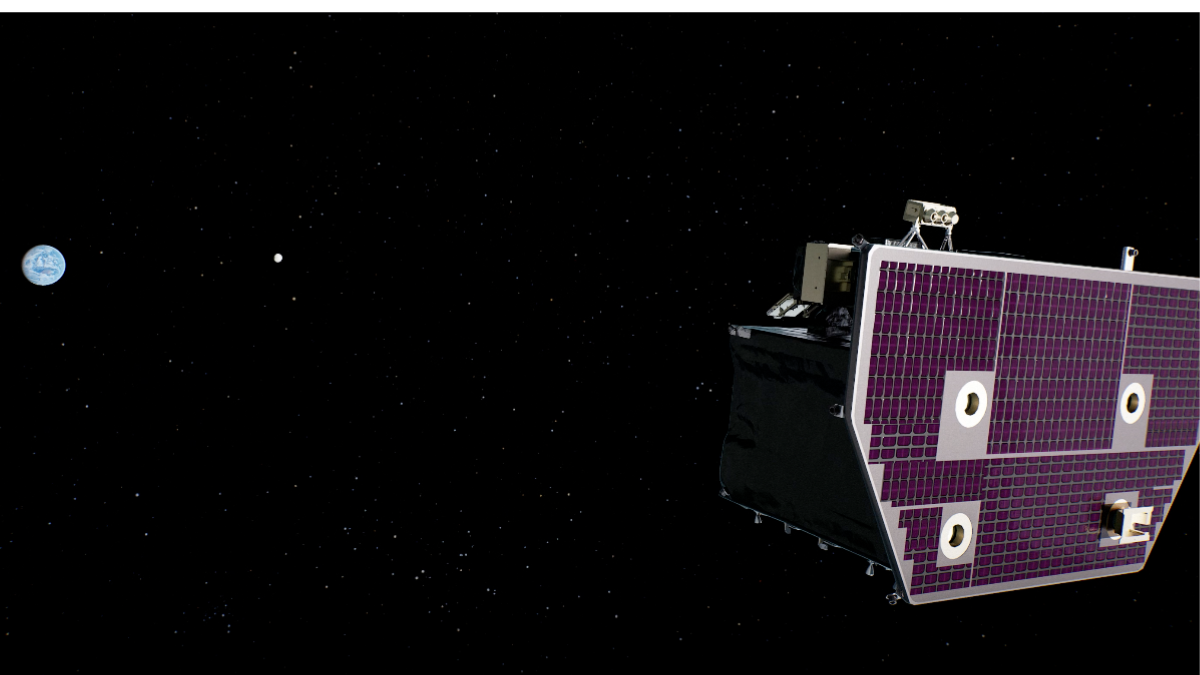
NASA’s Carruthers Observatory has begun its two-year science mission to study Earth’s hydrogen-rich exosphere from a halo orbit at Sun–Earth L1. Equipped with ultraviolet cameras, the small satellite will continuously image the faint geocorona, tracking how solar storms and fast solar wind streams cause the upper atmosphere to expand, contrac...
-
NASA’s ESCAPADE Mission to Study Space Weather Between Earth and Mars
NASA’s ESCAPADE mission will send two identical orbiters to Mars to study how solar wind and space weather strip away the planet’s atmosphere. Launching in 2025 and arriving in 2027, the twin spacecraft will measure solar wind conditions and Mars’s atmospheric response simultaneously, helping scientists understand how the Red Planet lost its ...
-
Chandra Detects Giant X-Ray Bubble Around Young Sun-Like Star HD 61005
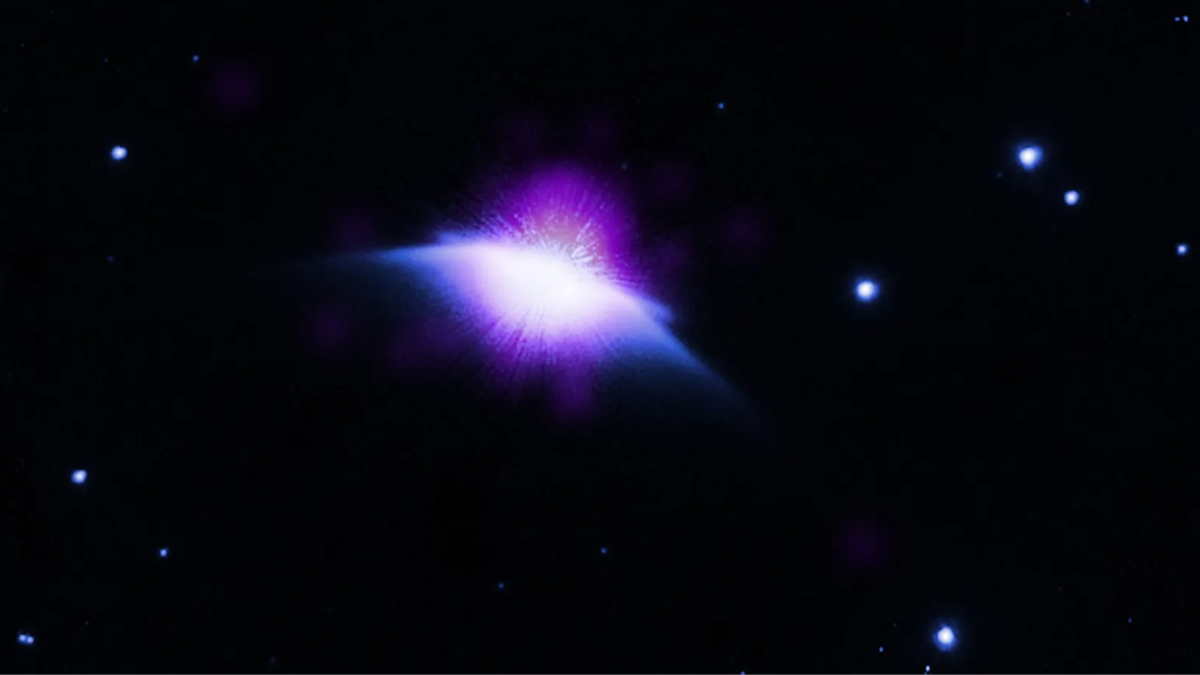
NASA astronomers using the Chandra X-ray Observatory have discovered a vast, million-degree gas bubble surrounding HD 61005, a 100-million-year-old Sun-like star about 120 light-years away. Its stellar wind is far stronger than today’s solar wind, forming a 200 astronomical unit-wide astrosphere that offers rare insight into how the young Sun onc...
-
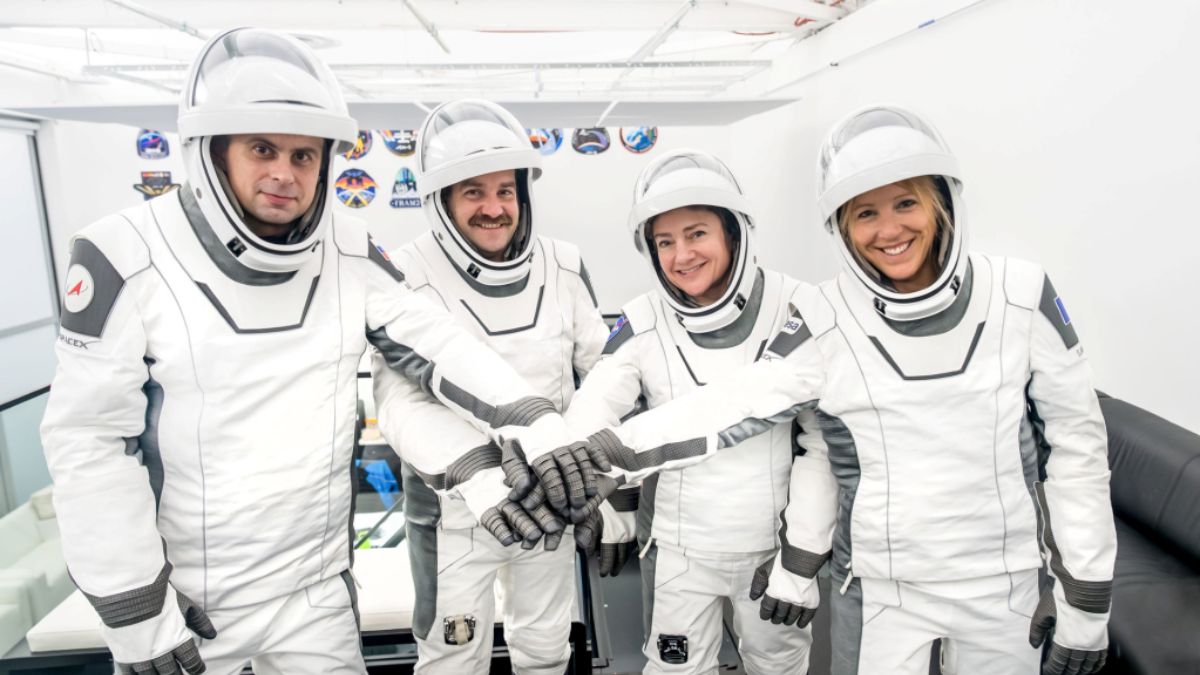
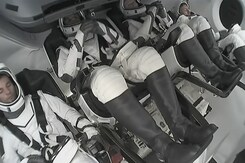
NASA, SpaceX Delay ISS Mission Launch Due to Bad Weather
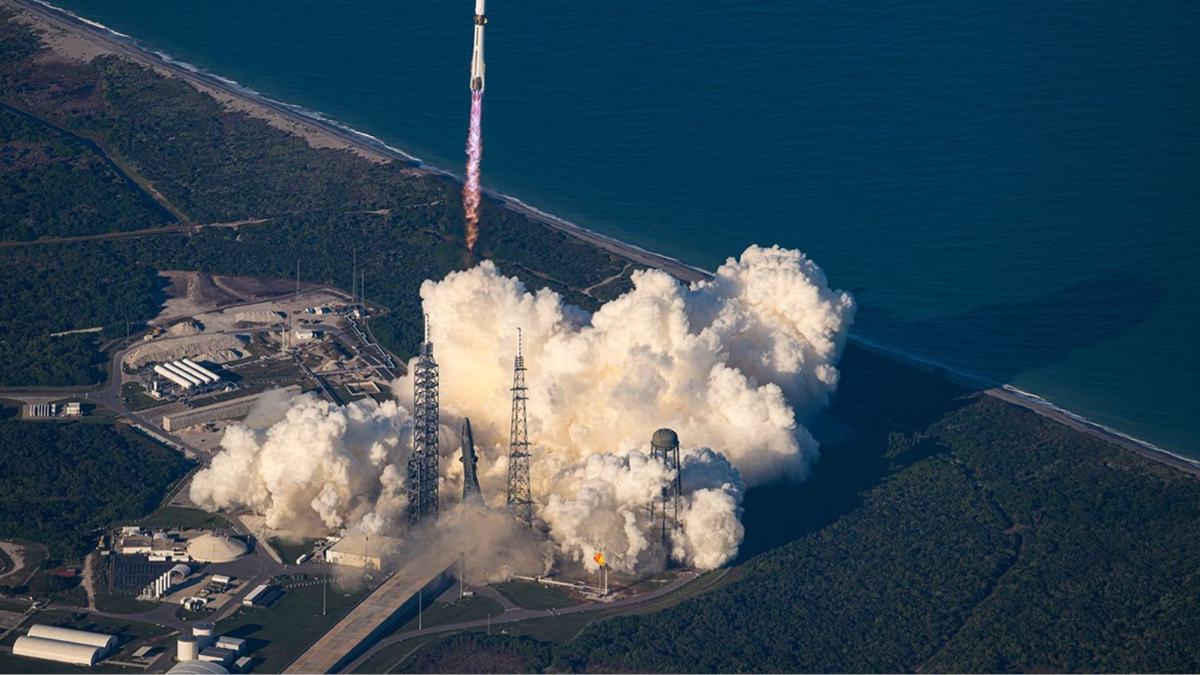
NASA and SpaceX have delayed the Crew-12 mission to the International Space Station because of unfavorable weather expected at Cape Canaveral. The launch is now targeted for February 12, with four astronauts waiting in quarantine as teams prepare the Falcon 9 rocket and Crew Dragon spacecraft for the next launch window.
-
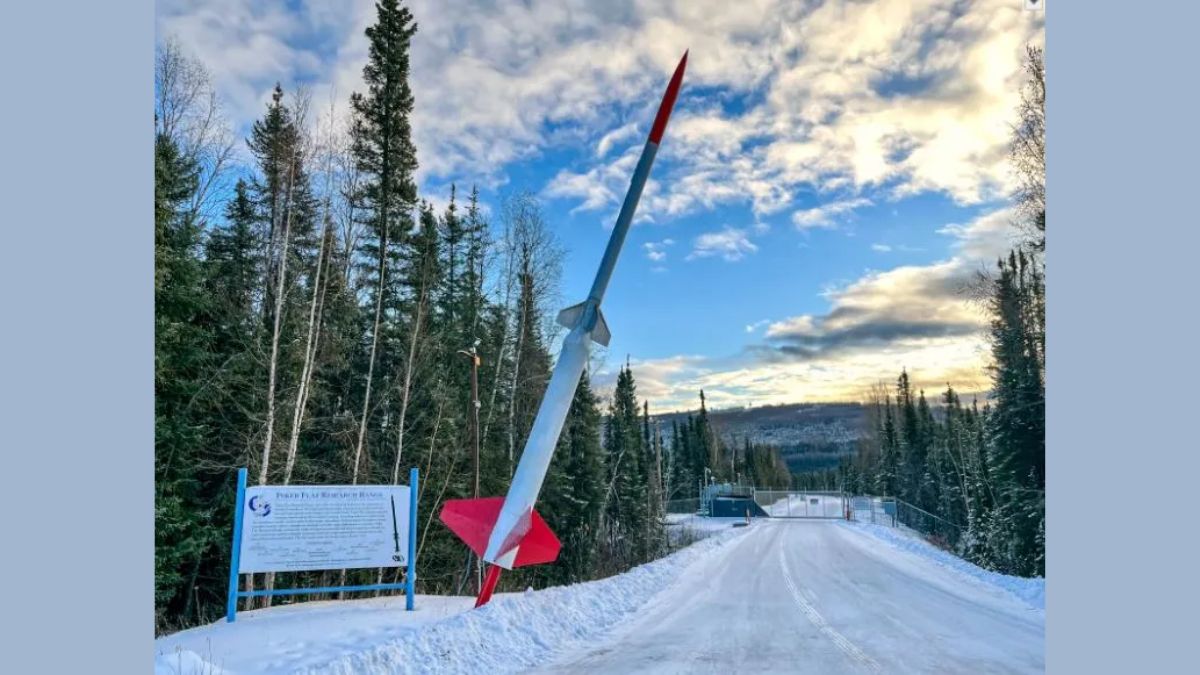
NASA’s GNEISS Mission Will Map Electric Currents Behind the Aurora
NASA’s GNEISS mission will launch from Alaska in early 2026 to probe the electric currents that drive auroras. Two rockets will fly through glowing auroral arcs, releasing sub-payloads whose radio signals act like a CT scan. By mapping electron density and direction, scientists aim to improve space weather forecasting and better protect satellite...
-
NASA’s GNEISS Mission Will Map Electric Currents Behind the Aurora
NASA’s GNEISS mission will launch from Alaska in early 2026 to probe the electric currents that drive auroras. Two rockets will fly through glowing auroral arcs, releasing sub-payloads whose radio signals act like a CT scan. By mapping electron density and direction, scientists aim to improve space weather forecasting and better protect satellite...
-
Cold And Flu? Here's What You Should Do To Prevent Winter Illnesses
You must keep your body and immune system in optimal health to prevent illness during the winter season.
-
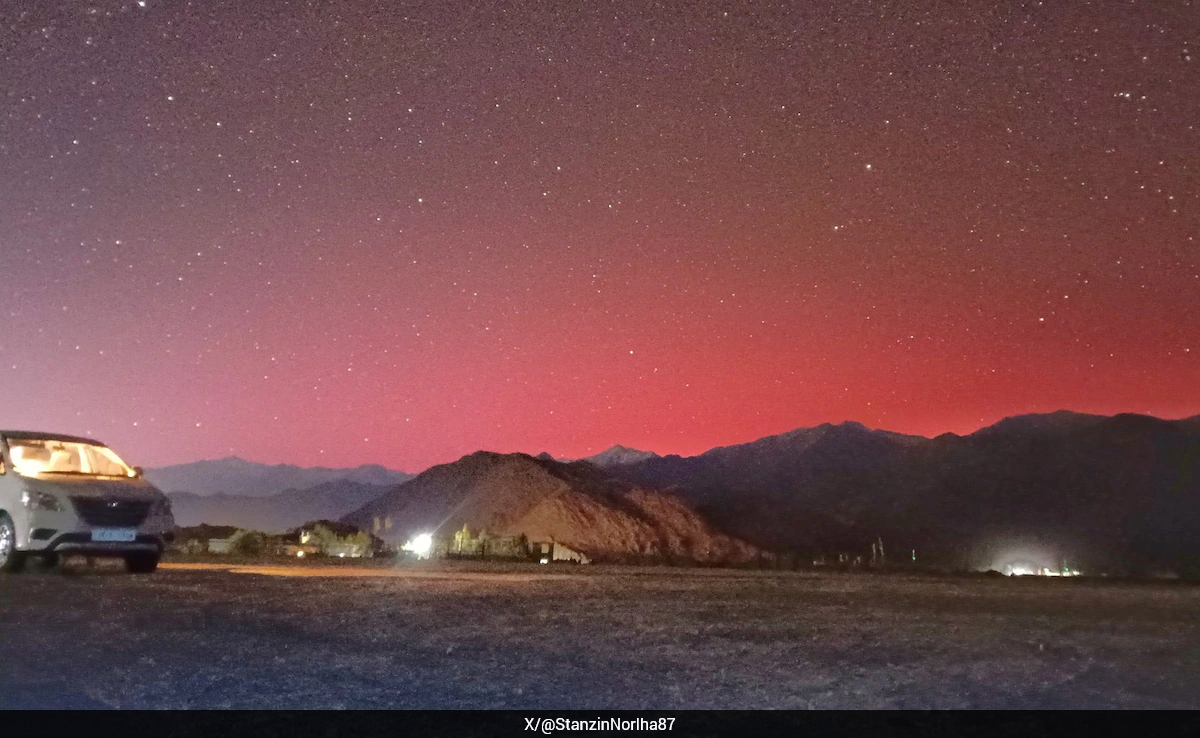
Rare Blood-Red Aurora Lights Up Ladakh Sky After Powerful Solar Storm Strikes Earth
A powerful geomagnetic storm triggered by a fast coronal mass ejection from the Sun produced rare red aurora over Hanle, Ladakh, on January 1920, captured by the Indian Astronomical Observatory.
-
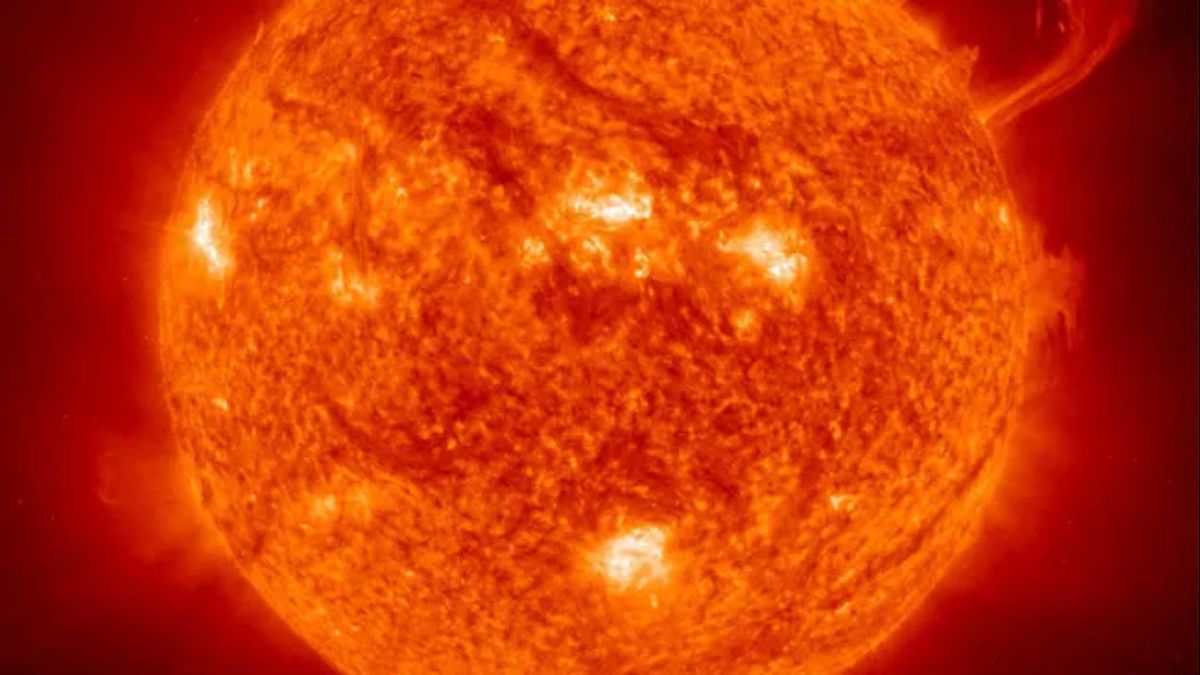
ESA’s Solar Orbiter Reveals How Magnetic Avalanches Trigger Solar Flares
New observations from ESA’s Solar Orbiter show that solar flares can be triggered by cascading magnetic disturbances. During a close solar pass, the spacecraft captured fine details of twisted magnetic fields repeatedly breaking and reconnecting, creating a magnetic “avalanche” that amplified a small instability into a powerful flare. The fin...



-
Recycled Human Waste Can Turn Mars, Moon Dust Into Fertile Soil, Study Finds
This breakthrough has significant implications for future human missions to Mars and the Moon
-
NASA’s Carruthers Observatory Begins Mission to Study Earth’s Hydrogen Halo
NASA’s Carruthers Observatory has begun its two-year science mission to study Earth’s hydrogen-rich exosphere from a halo orbit at Sun–Earth L1. Equipped with ultraviolet cameras, the small satellite will continuously image the faint geocorona, tracking how solar storms and fast solar wind streams cause the upper atmosphere to expand, contrac...
-
NASA’s ESCAPADE Mission to Study Space Weather Between Earth and Mars
NASA’s ESCAPADE mission will send two identical orbiters to Mars to study how solar wind and space weather strip away the planet’s atmosphere. Launching in 2025 and arriving in 2027, the twin spacecraft will measure solar wind conditions and Mars’s atmospheric response simultaneously, helping scientists understand how the Red Planet lost its ...
-
Chandra Detects Giant X-Ray Bubble Around Young Sun-Like Star HD 61005
NASA astronomers using the Chandra X-ray Observatory have discovered a vast, million-degree gas bubble surrounding HD 61005, a 100-million-year-old Sun-like star about 120 light-years away. Its stellar wind is far stronger than today’s solar wind, forming a 200 astronomical unit-wide astrosphere that offers rare insight into how the young Sun onc...
-
NASA, SpaceX Delay ISS Mission Launch Due to Bad Weather
NASA and SpaceX have delayed the Crew-12 mission to the International Space Station because of unfavorable weather expected at Cape Canaveral. The launch is now targeted for February 12, with four astronauts waiting in quarantine as teams prepare the Falcon 9 rocket and Crew Dragon spacecraft for the next launch window.
-
NASA’s GNEISS Mission Will Map Electric Currents Behind the Aurora
NASA’s GNEISS mission will launch from Alaska in early 2026 to probe the electric currents that drive auroras. Two rockets will fly through glowing auroral arcs, releasing sub-payloads whose radio signals act like a CT scan. By mapping electron density and direction, scientists aim to improve space weather forecasting and better protect satellite...
-
NASA’s GNEISS Mission Will Map Electric Currents Behind the Aurora
NASA’s GNEISS mission will launch from Alaska in early 2026 to probe the electric currents that drive auroras. Two rockets will fly through glowing auroral arcs, releasing sub-payloads whose radio signals act like a CT scan. By mapping electron density and direction, scientists aim to improve space weather forecasting and better protect satellite...
-
Cold And Flu? Here's What You Should Do To Prevent Winter Illnesses
You must keep your body and immune system in optimal health to prevent illness during the winter season.
-
Rare Blood-Red Aurora Lights Up Ladakh Sky After Powerful Solar Storm Strikes Earth
A powerful geomagnetic storm triggered by a fast coronal mass ejection from the Sun produced rare red aurora over Hanle, Ladakh, on January 1920, captured by the Indian Astronomical Observatory.
-
ESA’s Solar Orbiter Reveals How Magnetic Avalanches Trigger Solar Flares
New observations from ESA’s Solar Orbiter show that solar flares can be triggered by cascading magnetic disturbances. During a close solar pass, the spacecraft captured fine details of twisted magnetic fields repeatedly breaking and reconnecting, creating a magnetic “avalanche” that amplified a small instability into a powerful flare. The fin...

