



Solar Cycle
-
{
- All
- News
-

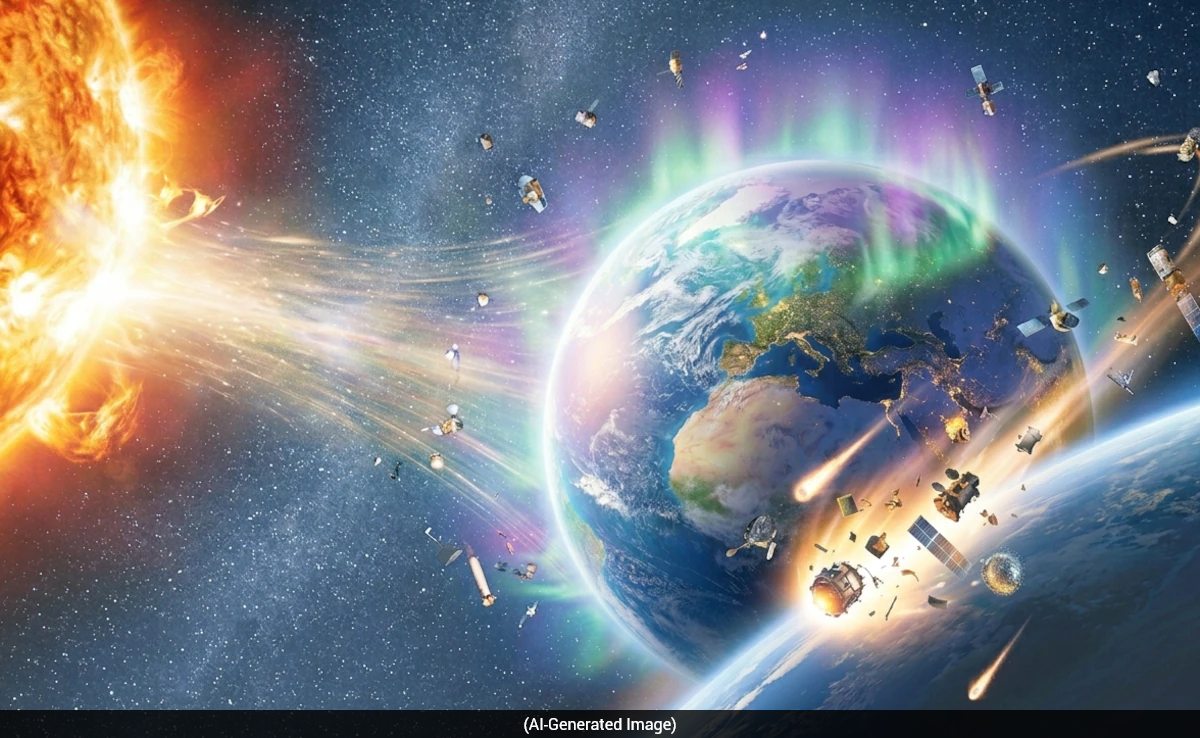
ISRO Team Confirms Sun's Activity Is Forcing Old, Dead Satellites To Fall Back To Earth
Researchers have confirmed for the first time that peaks in solar activity accelerate the orbital decay of space debris, offering a valuable tool for safer space mission planning amid growing concerns over orbital clutter.
-
Hidden Solar Cycle Could Reshape Space Weather for the Next 50 Years, Finds Study
A hidden solar cycle is emerging, potentially intensifying space weather events over the next 50 years. While this cycle may raise concerns about geomagnetic storms and satellite disruptions, scientists believe it could also offer valuable opportunities to advance space weather forecasting, study Earth's magnetic field, and improve our resilience t...
-
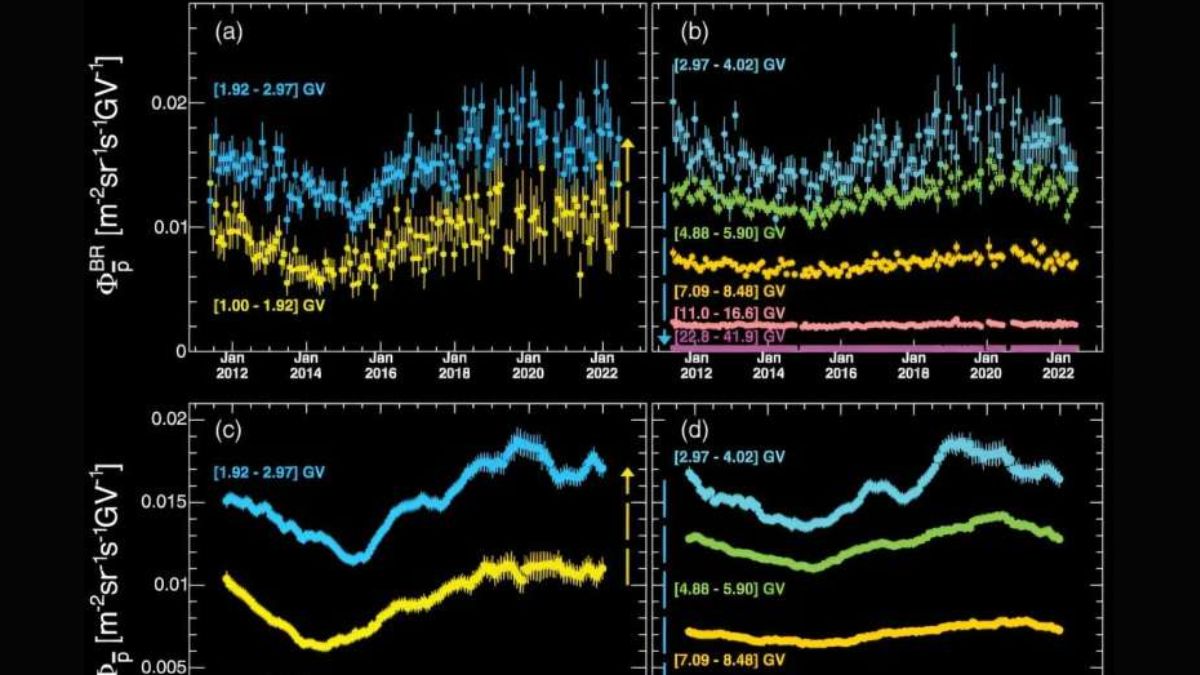
AMS Data Reveals Charged Particle Variations in Heliosphere Over Solar Cycle
Researchers analysing AMS data aboard the ISS have identified variations in charged particles within the heliosphere over an 11-year solar cycle. Shifts in the heliospheric magnetic field impact antiproton behaviour and cosmic nuclei fluxes, revealing correlations between solar modulation and cosmic ray movement. AMS measurements provide insights i...
-
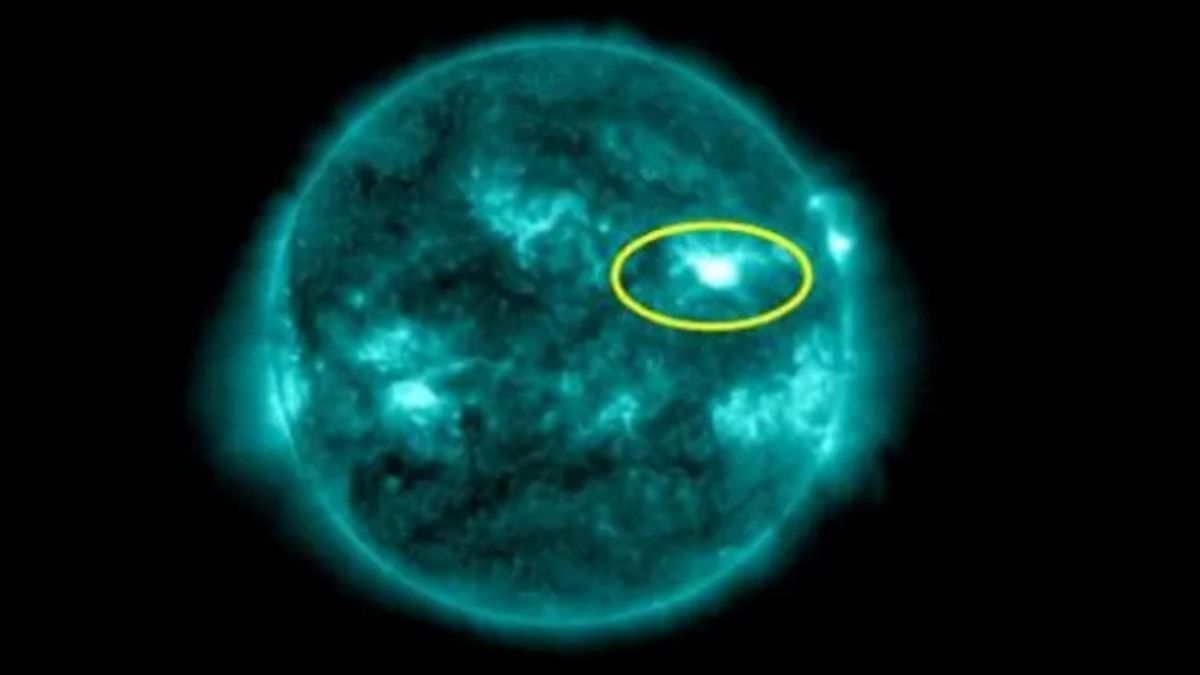
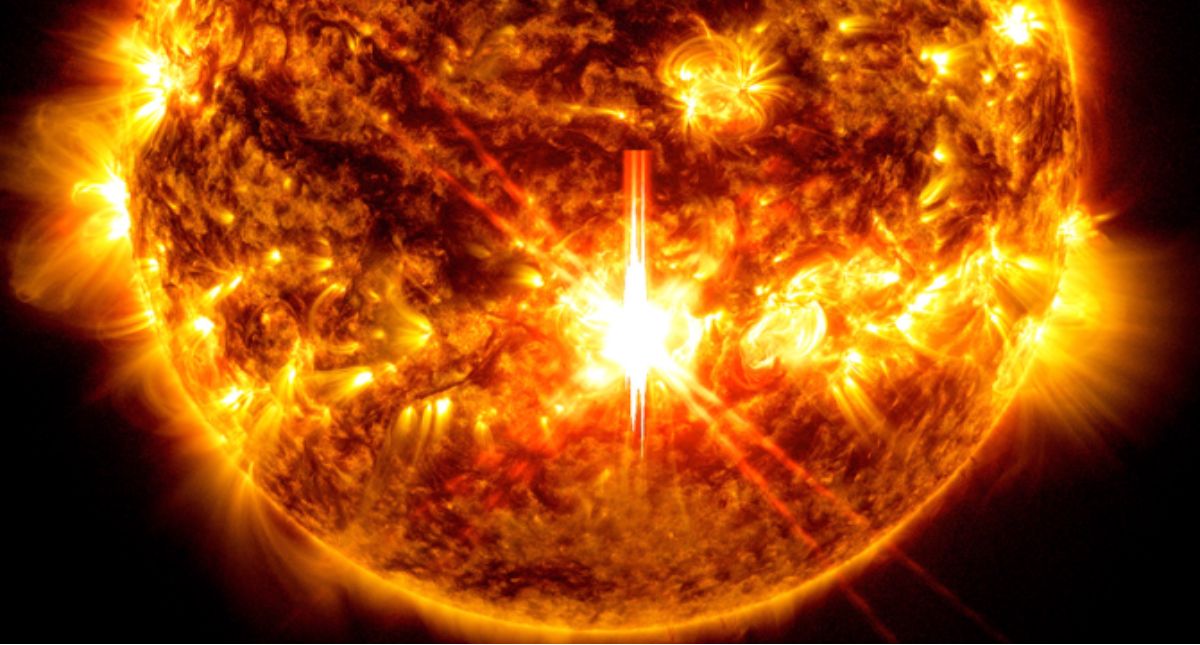
Massive Solar Flare Closes 2024 With Radio Blackouts and Auroral Possibilities
An X1.1-class solar flare on December 29, 2024, caused strong radio blackouts on Earth, marking another significant event in the increasingly active Solar Cycle 25. Detected by NOAA's GOES-16 satellite, the eruption raises questions about a potential coronal mass ejection, which could amplify auroras during New Year celebrations. While impactful, t...
-
Solar Cycle 25: How the Sun’s Peak Activity Will Impact Earth in 2025
Solar Cycle 25 continues with high activity levels in 2025. Increased solar flares and geomagnetic storms are anticipated, with risks to satellite systems and power grids. Widespread auroras could also light up low-latitude skies. Partial solar eclipses are scheduled for March and September in select regions. Observations indicate strong solar phen...
-
Solar 'Battle Zone' Could be Even Worse Than Solar Maximum, Experts Warn
Experts warn that the sun's next phase, the "battle zone," could result in increased geomagnetic activity, lasting until 2028. This period could bring heightened solar flares and coronal holes, which may cause disruptions to satellites in low-Earth orbit. Space weather experts, including Scott McIntosh from Lynker Space, have noted that this phase ...
-
Solar Surge Cuts Binar Satellites' Mission Short, Underscoring Space Weather Effects on Earth and Orbiting Satellites
Binar-2, 3, and 4, part of Curtin University's space program, re-entered Earth’s atmosphere unexpectedly due to an increase in solar activity. Low Earth orbit satellites are especially vulnerable to such conditions, with atmospheric drag accelerating their descent. While solar cycle 25 has proven stronger than anticipated, experts expect solar ac...
-
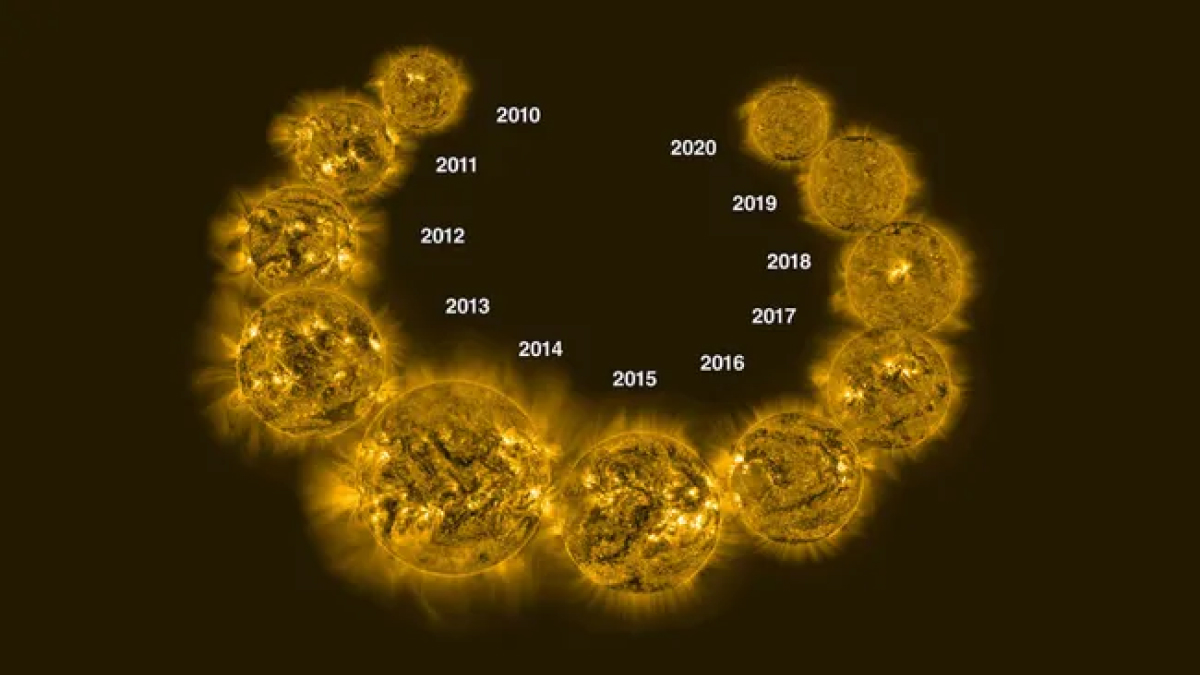
Solar Maximum Explained: Current Status and Future Expectations in 2024
Solar maximum is the peak of solar activity in an approximately 11-year cycle. Currently, we are experiencing the solar maximum of Solar Cycle 25, which could last until 2026. This phase is characterized by an increase in sunspots and solar flares, impacting Earth through geomagnetic storms that can disrupt satellites, power grids, and communicatio...
-
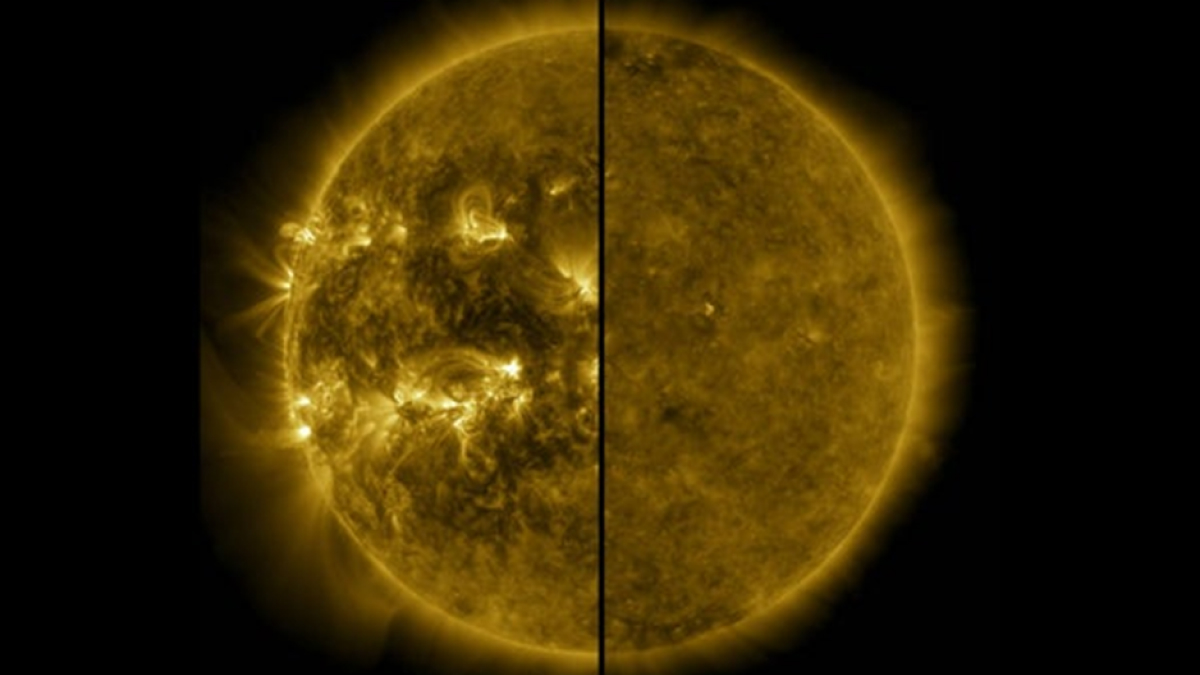
NASA Confirms Solar Maximum as Sun Reaches Peak of Its 11-Year Cycle with Heightened Activity
NASA and NOAA report that the Sun has reached its most active phase in the 11-year solar cycle, known as solar maximum. This period increases solar storms, affecting satellites, astronauts, and Earth's communication and power systems. While the exact peak won’t be confirmed for months, solar activity is expected to remain high for the next year.
-
Sunspots Surge to 23-Year High as Solar Maximum Intensifies Beyond Predictions
August saw the highest number of sunspots since September 2001, surpassing forecasts and signalling a more intense solar maximum. The Space Weather Prediction Center had initially predicted a weaker solar cycle, but recent data shows sunspot numbers have far exceeded these predictions, indicating a robust peak in solar activity. This trend could le...
-
NASA Might Have Spotted Highest Number of Sunspots in Over 20 Years
On August 8, 2024, NASA's Solar Dynamics Observatory (SDO) may have documented a record-breaking number of sunspots in a single day, marking a significant event in Solar Cycle 25. These sunspots, which are dark, cooler areas on the Sun’s surface caused by intense magnetic activity, play a crucial role in the Sun's behaviour and have a direct impa...
-
Halfway Through The Current Solar Cycle, The Sun Is Starting Its Next
Even though the Sun is just halfway through its current cycle, the first rumblings of its next 11-year solar cycle have been detected in sound waves within it, according to a team of researchers.
-
This Solar Cycle, Sun's Activity Is More Powerful Than Expected
What do you feel when you see the aurora?
-
Sun To Reach Solar Maximum In 2 Years, May Lead To "Internet Apocalypse"
Outages caused by solar storms could last for months, leading to huge economic impact
-
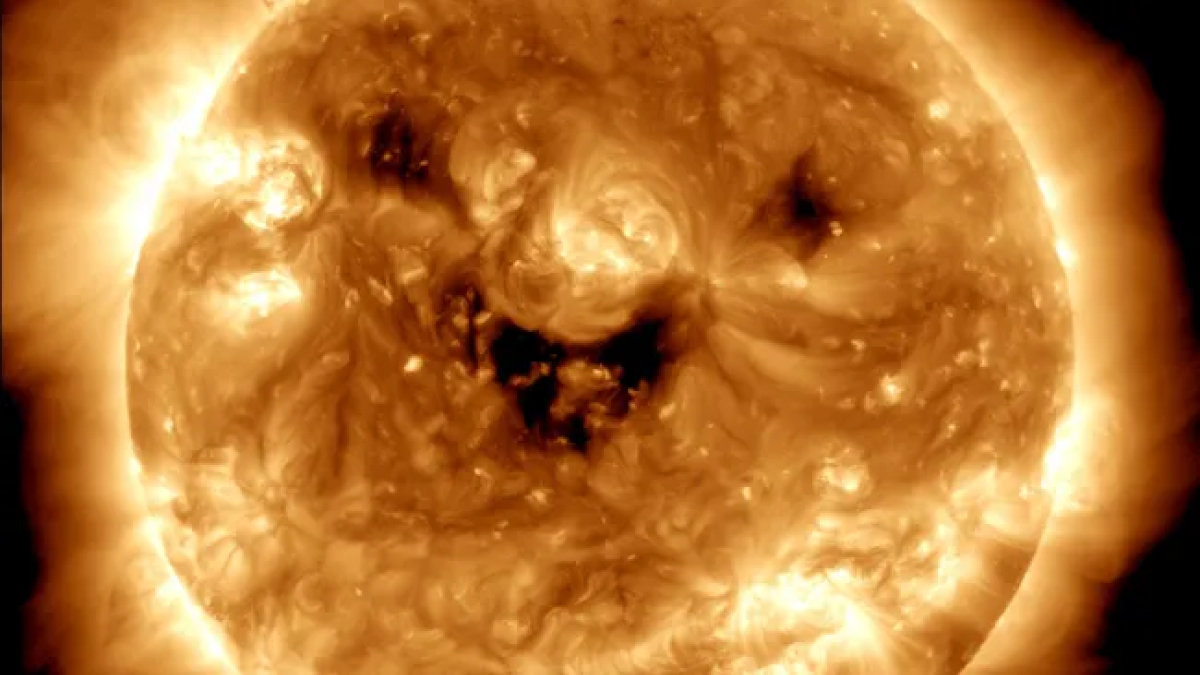
Sun Has a Mysterious Hole!
A mysterious squarish hole in our sun from where solar wind is streaming out at a super fast speed has been captured. Luckily for us, it is positioned so far south on the sun that there is less chance that the solar wind stream will impact the earth.


-
ISRO Team Confirms Sun's Activity Is Forcing Old, Dead Satellites To Fall Back To Earth
Researchers have confirmed for the first time that peaks in solar activity accelerate the orbital decay of space debris, offering a valuable tool for safer space mission planning amid growing concerns over orbital clutter.
-
Hidden Solar Cycle Could Reshape Space Weather for the Next 50 Years, Finds Study
A hidden solar cycle is emerging, potentially intensifying space weather events over the next 50 years. While this cycle may raise concerns about geomagnetic storms and satellite disruptions, scientists believe it could also offer valuable opportunities to advance space weather forecasting, study Earth's magnetic field, and improve our resilience t...
-
AMS Data Reveals Charged Particle Variations in Heliosphere Over Solar Cycle
Researchers analysing AMS data aboard the ISS have identified variations in charged particles within the heliosphere over an 11-year solar cycle. Shifts in the heliospheric magnetic field impact antiproton behaviour and cosmic nuclei fluxes, revealing correlations between solar modulation and cosmic ray movement. AMS measurements provide insights i...
-
Massive Solar Flare Closes 2024 With Radio Blackouts and Auroral Possibilities
An X1.1-class solar flare on December 29, 2024, caused strong radio blackouts on Earth, marking another significant event in the increasingly active Solar Cycle 25. Detected by NOAA's GOES-16 satellite, the eruption raises questions about a potential coronal mass ejection, which could amplify auroras during New Year celebrations. While impactful, t...
-
Solar Cycle 25: How the Sun’s Peak Activity Will Impact Earth in 2025
Solar Cycle 25 continues with high activity levels in 2025. Increased solar flares and geomagnetic storms are anticipated, with risks to satellite systems and power grids. Widespread auroras could also light up low-latitude skies. Partial solar eclipses are scheduled for March and September in select regions. Observations indicate strong solar phen...
-
Solar 'Battle Zone' Could be Even Worse Than Solar Maximum, Experts Warn
Experts warn that the sun's next phase, the "battle zone," could result in increased geomagnetic activity, lasting until 2028. This period could bring heightened solar flares and coronal holes, which may cause disruptions to satellites in low-Earth orbit. Space weather experts, including Scott McIntosh from Lynker Space, have noted that this phase ...
-
Solar Surge Cuts Binar Satellites' Mission Short, Underscoring Space Weather Effects on Earth and Orbiting Satellites
Binar-2, 3, and 4, part of Curtin University's space program, re-entered Earth’s atmosphere unexpectedly due to an increase in solar activity. Low Earth orbit satellites are especially vulnerable to such conditions, with atmospheric drag accelerating their descent. While solar cycle 25 has proven stronger than anticipated, experts expect solar ac...
-
Solar Maximum Explained: Current Status and Future Expectations in 2024
Solar maximum is the peak of solar activity in an approximately 11-year cycle. Currently, we are experiencing the solar maximum of Solar Cycle 25, which could last until 2026. This phase is characterized by an increase in sunspots and solar flares, impacting Earth through geomagnetic storms that can disrupt satellites, power grids, and communicatio...
-
NASA Confirms Solar Maximum as Sun Reaches Peak of Its 11-Year Cycle with Heightened Activity
NASA and NOAA report that the Sun has reached its most active phase in the 11-year solar cycle, known as solar maximum. This period increases solar storms, affecting satellites, astronauts, and Earth's communication and power systems. While the exact peak won’t be confirmed for months, solar activity is expected to remain high for the next year.
-
Sunspots Surge to 23-Year High as Solar Maximum Intensifies Beyond Predictions
August saw the highest number of sunspots since September 2001, surpassing forecasts and signalling a more intense solar maximum. The Space Weather Prediction Center had initially predicted a weaker solar cycle, but recent data shows sunspot numbers have far exceeded these predictions, indicating a robust peak in solar activity. This trend could le...
-
NASA Might Have Spotted Highest Number of Sunspots in Over 20 Years
On August 8, 2024, NASA's Solar Dynamics Observatory (SDO) may have documented a record-breaking number of sunspots in a single day, marking a significant event in Solar Cycle 25. These sunspots, which are dark, cooler areas on the Sun’s surface caused by intense magnetic activity, play a crucial role in the Sun's behaviour and have a direct impa...
-
Halfway Through The Current Solar Cycle, The Sun Is Starting Its Next
Even though the Sun is just halfway through its current cycle, the first rumblings of its next 11-year solar cycle have been detected in sound waves within it, according to a team of researchers.
-
This Solar Cycle, Sun's Activity Is More Powerful Than Expected
What do you feel when you see the aurora?
-
Sun To Reach Solar Maximum In 2 Years, May Lead To "Internet Apocalypse"
Outages caused by solar storms could last for months, leading to huge economic impact
-
Sun Has a Mysterious Hole!
A mysterious squarish hole in our sun from where solar wind is streaming out at a super fast speed has been captured. Luckily for us, it is positioned so far south on the sun that there is less chance that the solar wind stream will impact the earth.

