



Jwst Discovery
-
{
- All
- News
-

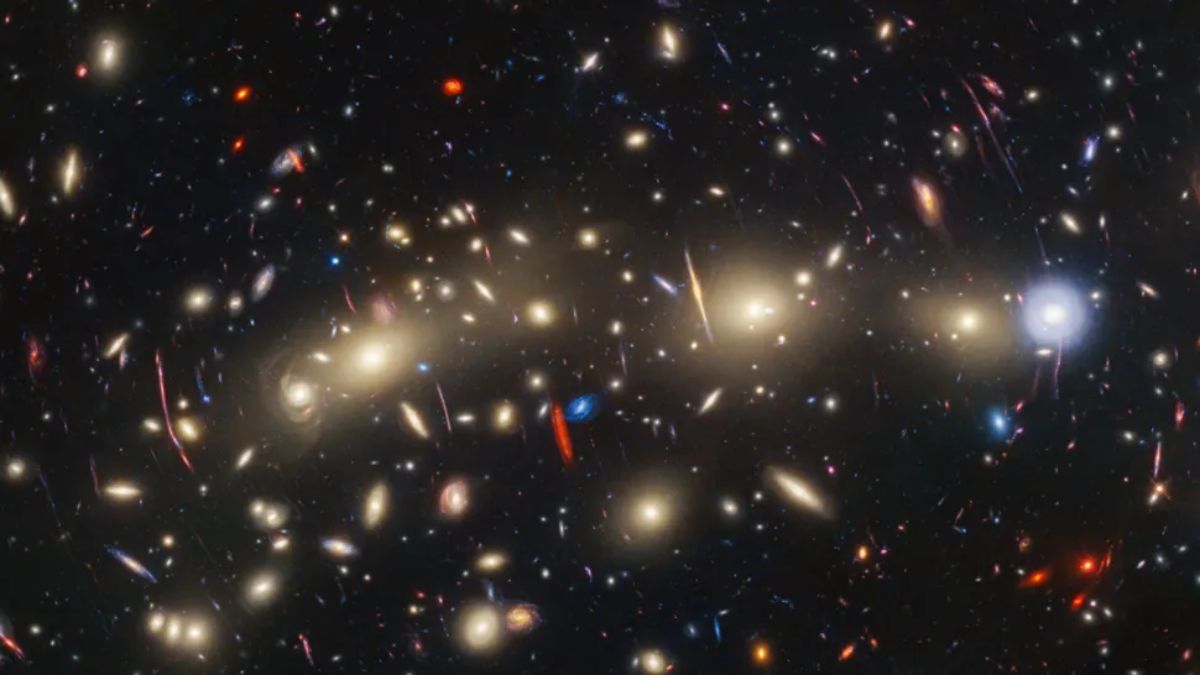
Indian Scientist Discovers 12.6-Billion-Year-Old City of Galaxies', Names It After Manipur's Loktak Lake
A major international astronomy study led by an Indian scientist has discovered a massive structure of young galaxies in the early universe, naming it after a famous lake in Manipur.
-
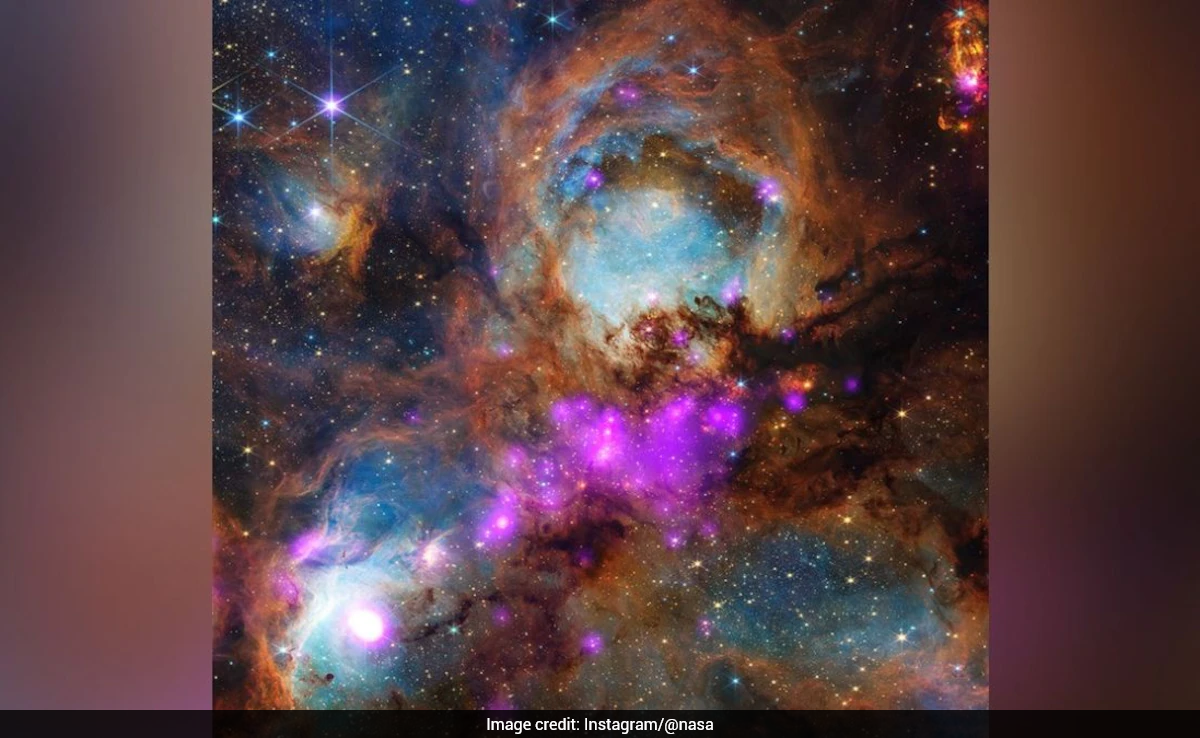
Cosmic Collab Of Two Space Telescopes Shows Cat's Paw Nebula In Stunning Detail: "A-Meow-Zing"
The Cat's Paw Nebula, also catalogued as NGC 6334 and sometimes called the Bear Claw Nebula
-
James Webb Space Telescope Little Red Dots May Reveal Birth of Black Holes
These Tiny Red Objects Could Be How Black Holes Are Born
-
James Webb Telescope Discovers Most Distant Galaxy From Just 300 Million Years After the Big Bang
The James Webb Space Telescope has discovered the most distant galaxy ever observed, JADES-GS-z14-0, seen as it existed just 300 million years after the Big Bang. Its unexpected brightness and chemical complexity suggest rapid early star formation, challenging long-standing theories about how the first galaxies evolved in the early universe.
-
JWST Uncovers the Origins of the Universe’s First Supermassive Black Holes
James Webb Space Telescope observations reveal that the earliest supermassive black holes formed from massive gas clouds collapsing directly into heavy seeds. This process bypassed normal star formation, allowing black holes to reach millions of solar masses within just 200–500 million years after the Big Bang, solving a long-standing cosmic myst...
-
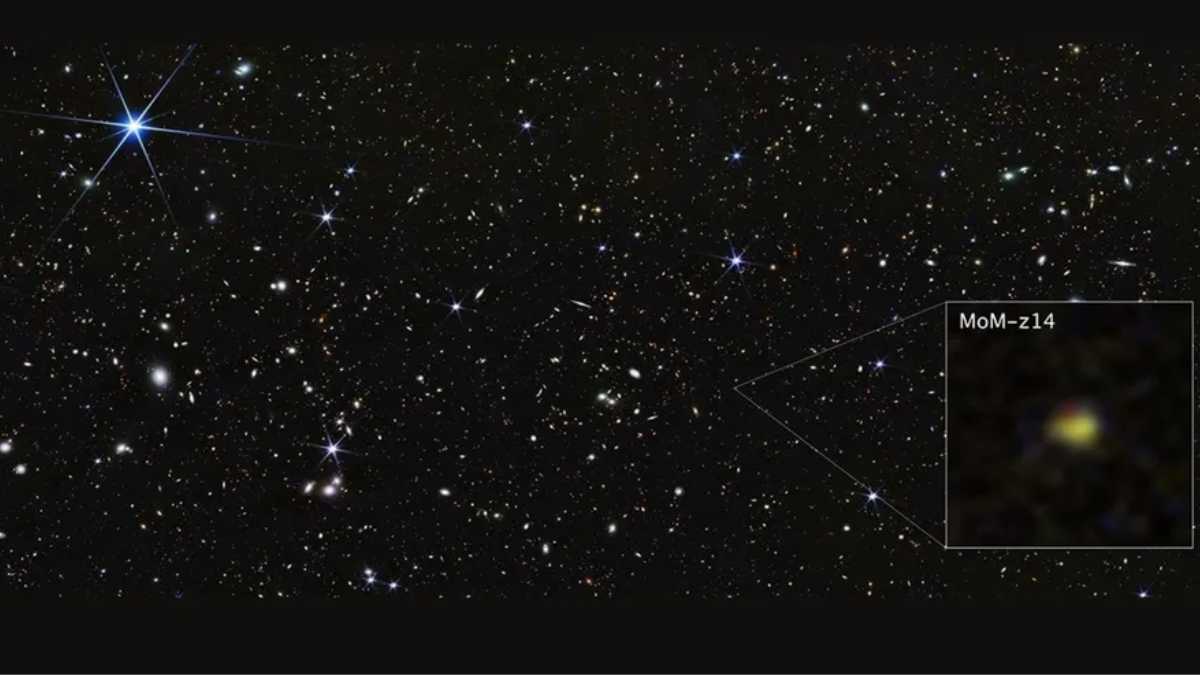
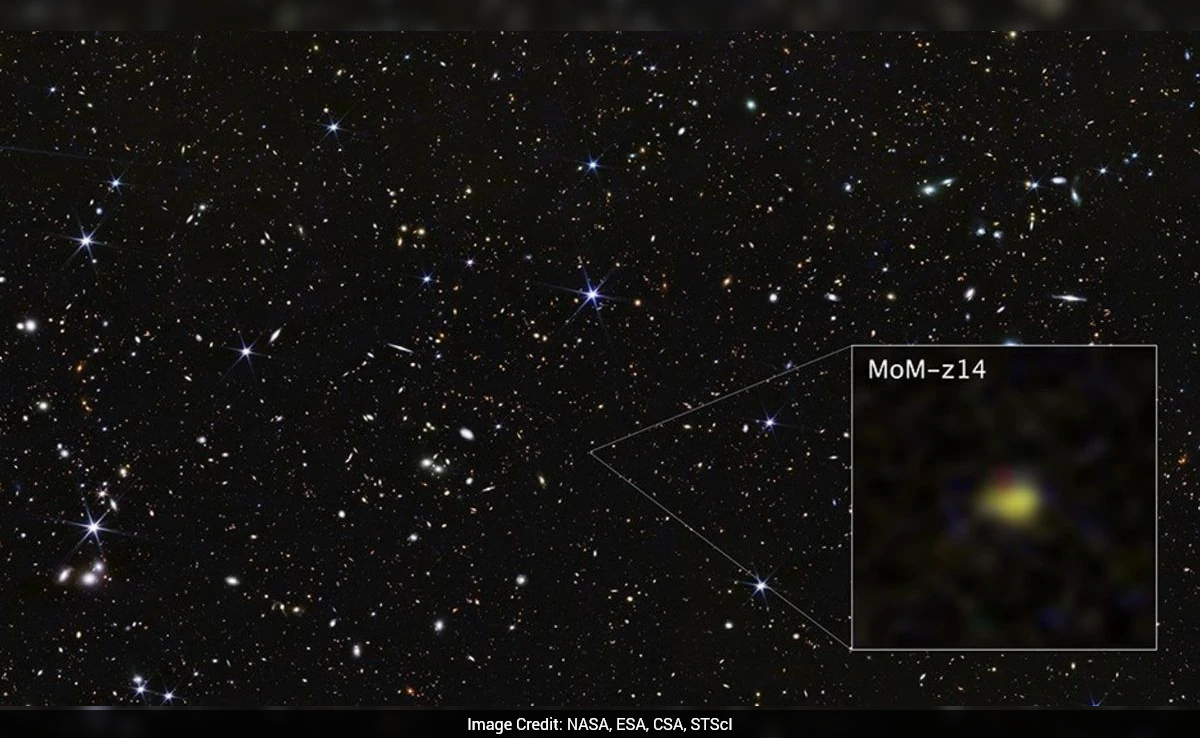
James Webb Space Telescope Spots Most Distant Galaxy That Existed 280 Million Years After Big Bang
MoM-z14's light has travelled over 13.5 billion years to reach Earth, the scientists have revealed.
-
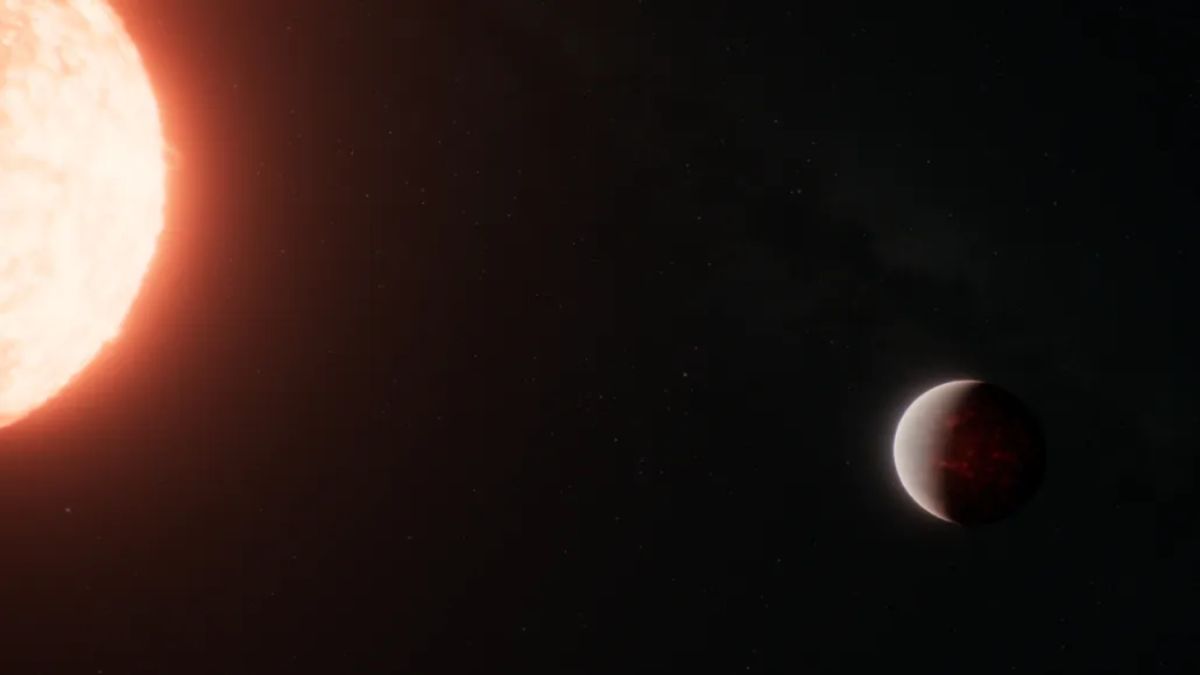
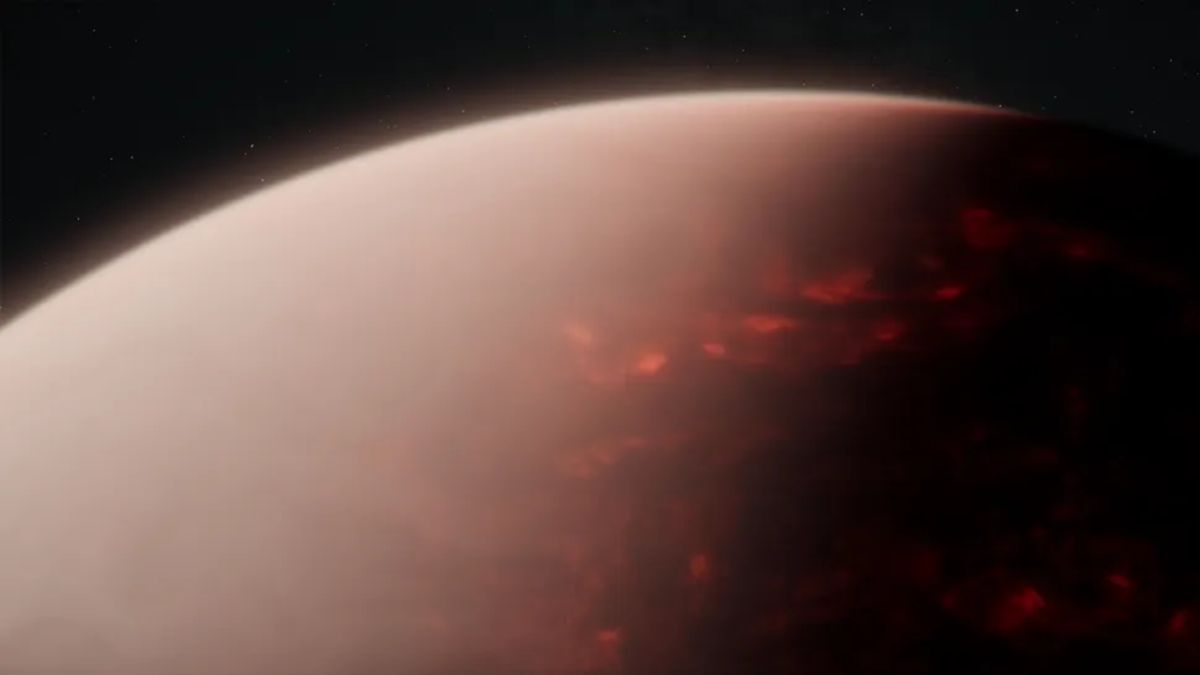
JWST Reveals Powerful Winds and Dense Atmosphere on Scorching Exoplanet TOI-561b
Astronomers using NASA’s James Webb Space Telescope have found compelling evidence that TOI-561b, an ultra-hot rocky exoplanet orbiting its star every 11 hours, still retains a dense atmosphere. Temperatures measured on both its day and night sides are far lower than expected for a bare rock, implying powerful winds and efficient heat transport. ...
-
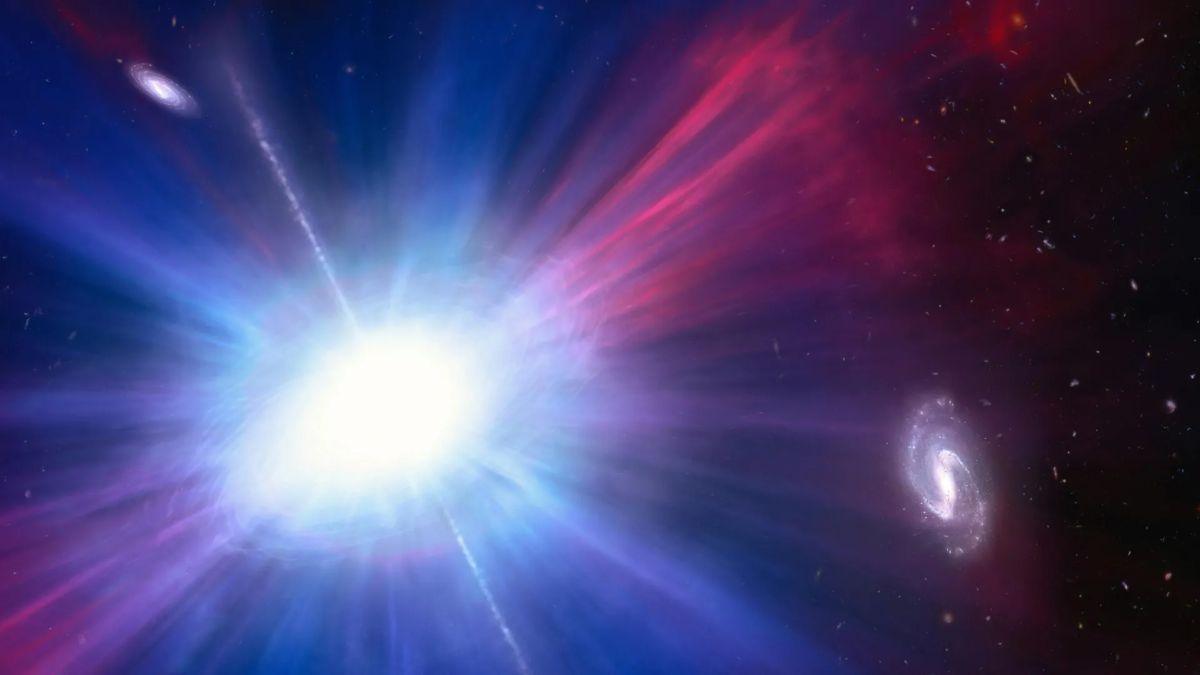
JWST Spots Most Distant Supernova Ever, From 730 Million Years After Big Bang
Scientists have confirmed the most distant supernova ever observed, exploding just 730 million years after the Big Bang. Detected through a powerful gamma-ray burst and later verified by the James Webb Space Telescope, the event offers a rare glimpse of the deaths of the universe’s first stars during the era of reionisation and challenges expecta...
-
The Most Exciting Exoplanet Discoveries of 2025: Know the Strange Worlds Scientists Have Found
Astronomers marked a milestone year as confirmed exoplanets surpassed 6,000 in 2025. Discoveries ranged from planets orbiting two suns to worlds losing their atmospheres or forming in real time. The findings reshaped ideas about how planets form, survive, and evolve across the Milky Way.
-
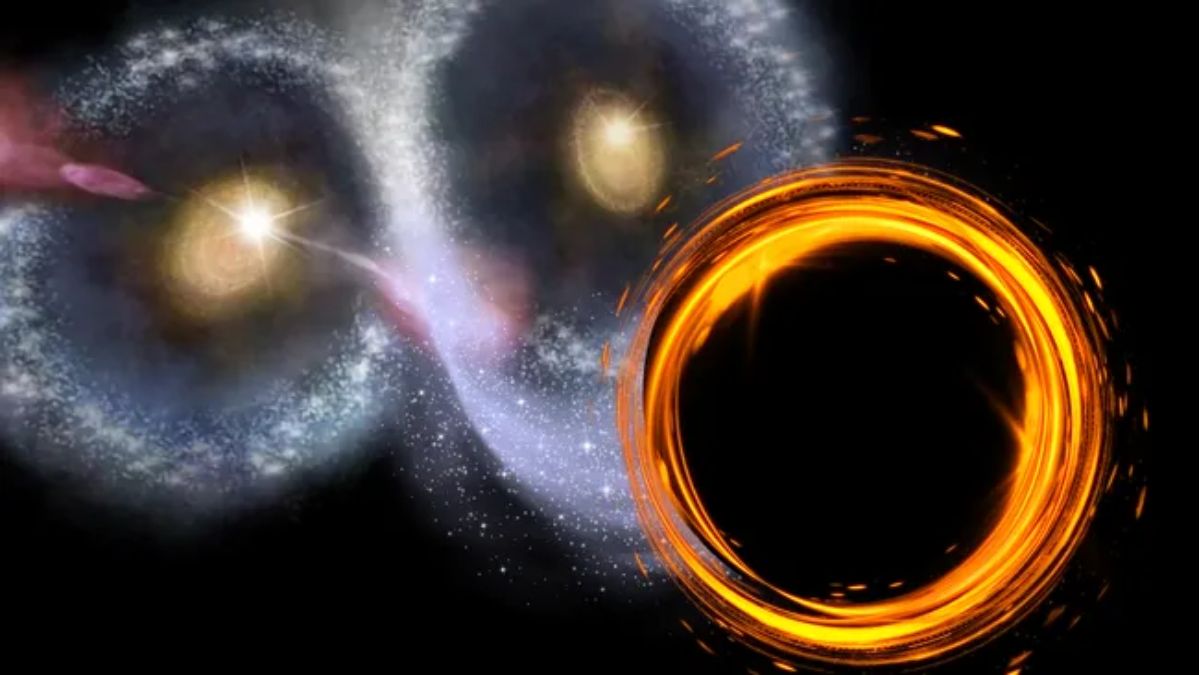
James Webb Confirms First Runaway Supermassive Black Hole Rocking Through Space
The James Webb Space Telescope has confirmed the first runaway supermassive black hole, moving at 2.2 million mph through the Cosmic Owl galaxies. Pushing a galaxy-sized shockwave and leaving a long trail of star-forming gas, this discovery confirms long-standing theories about black hole ejections and opens the door to finding more cosmic speedste...
-
JWST Detects Thick Atmosphere on Ultra-Hot Rocky Exoplanet TOI-561 b
Astronomers using the James Webb Space Telescope have discovered compelling evidence of a thick atmosphere surrounding TOI-561 b, an ultra-hot rocky exoplanet orbiting its star every 11 hours. Despite extreme radiation and molten surface conditions, the planet appears cooler than expected, suggesting heat-redistributing atmospheric winds and volati...
-
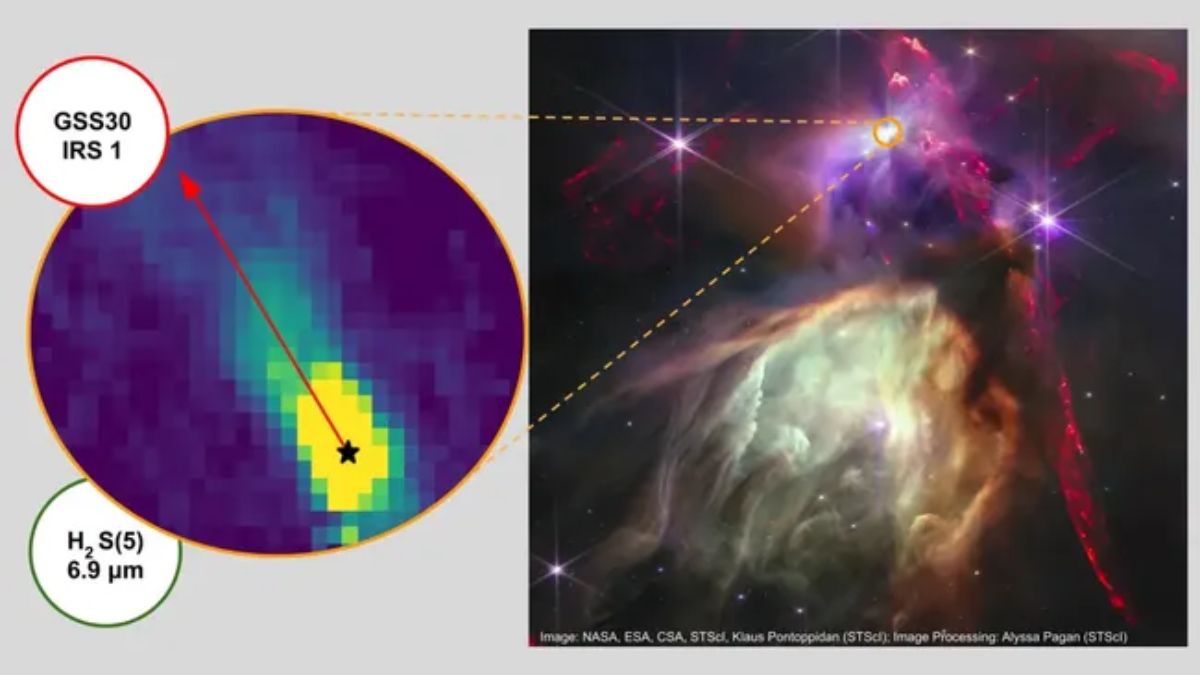
James Webb Space Telescope Finds Unexpected Ultraviolet Radiation Around Young Protostars
Astronomers using the James Webb Space Telescope have detected unexpected ultraviolet radiation around five young protostars in the Ophiuchus molecular cloud. Since infant stars are not expected to emit UV light, the finding challenges long-standing star-formation models. Researchers ruled out external illumination from nearby stars, concluding the...
-
James Webb Space Telescope May Have Spotted the Universe’s First Stars, Astronomers Say
Astronomers using the James Webb Space Telescope have detected a distant, metal-poor galaxy whose unusually massive, ultraviolet-bright stars match the expected signatures of Population III — the universe’s first stars. Through the help of gravitational lensing and Webb’s infrared sensitivity, researchers observed light from just 800 million ...
-
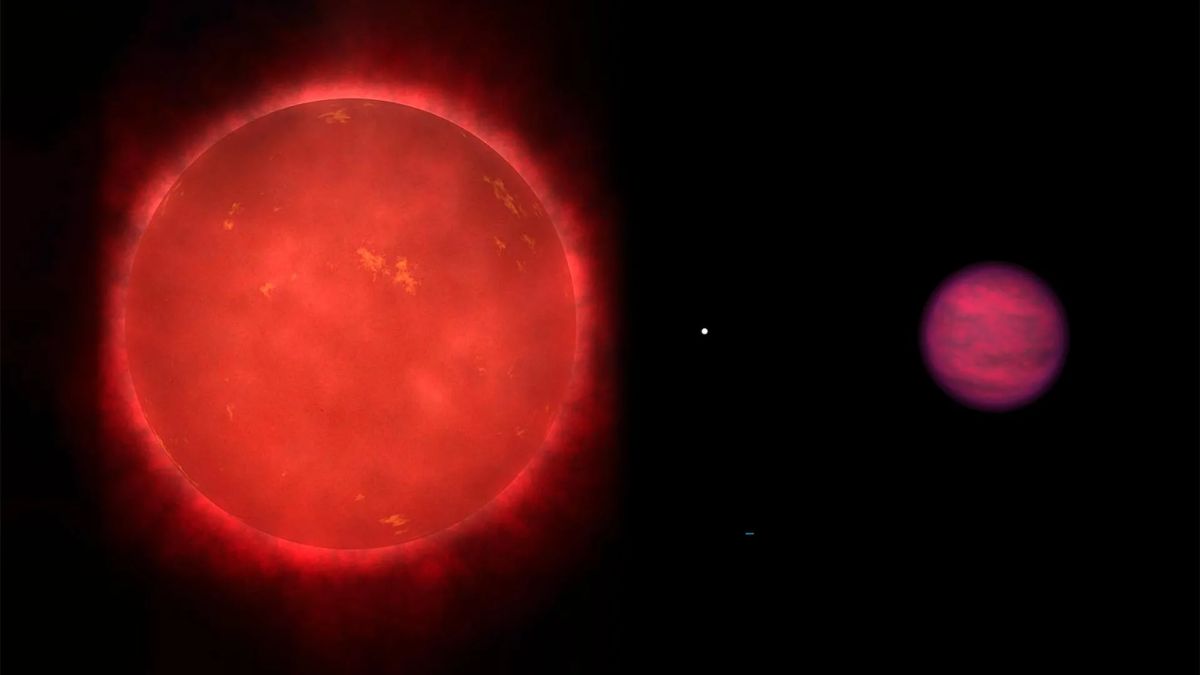
Webb Finds Phosphorus-Bearing Gas in an Ancient Brown Dwarf
NASA’s James Webb Space Telescope has detected phosphine (PH₃) in the atmosphere of the ancient brown dwarf Wolf 1130C, about 54 light-years away in Cygnus. This marks the first confirmed detection of a phosphorus-bearing gas in such a metal-poor object. The finding surprises astronomers, as phosphine was previously undetected in similar brown ...
-
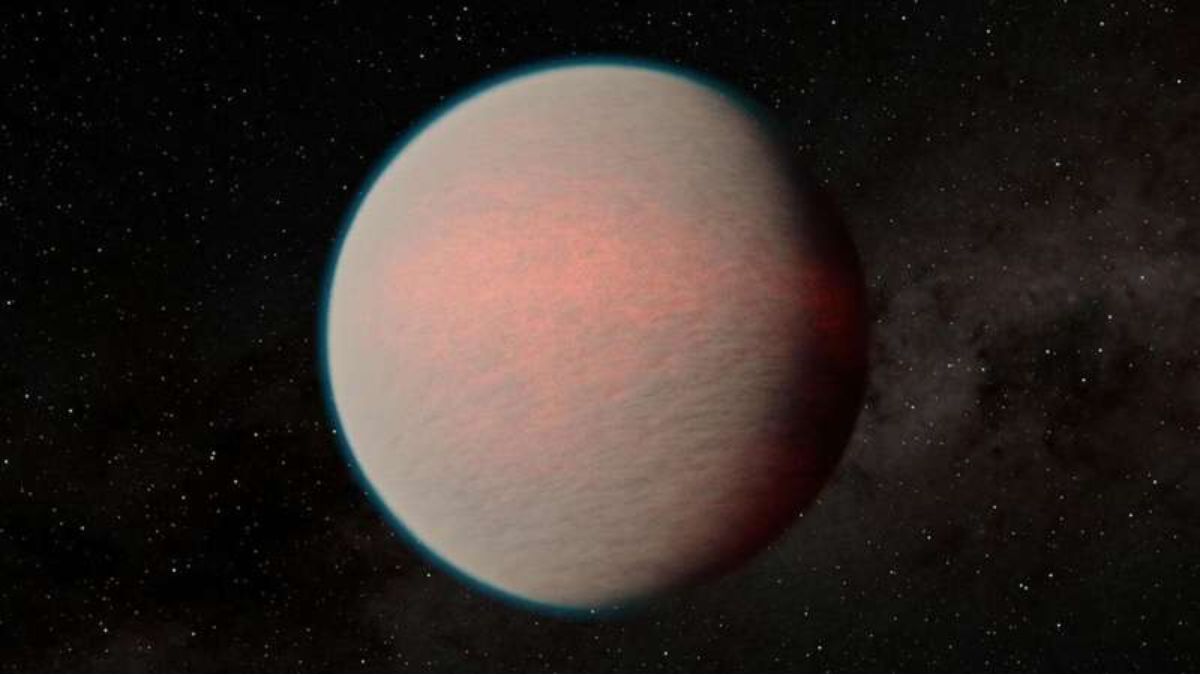
NASA's James Webb Space Telescope Telescope Challenges Old Theories on Mini-Neptune Worlds
New models suggest mini-Neptunes—planets smaller than Neptune with thick gas envelopes—may have solid rocky surfaces instead of molten magma. Data from NASA’s JWST revealed high-pressure atmospheres capable of compressing molten rock into solid crusts. This discovery challenges earlier assumptions and offers key insights into exoplanet compos...


-
Indian Scientist Discovers 12.6-Billion-Year-Old City of Galaxies', Names It After Manipur's Loktak Lake
A major international astronomy study led by an Indian scientist has discovered a massive structure of young galaxies in the early universe, naming it after a famous lake in Manipur.
-
Cosmic Collab Of Two Space Telescopes Shows Cat's Paw Nebula In Stunning Detail: "A-Meow-Zing"
The Cat's Paw Nebula, also catalogued as NGC 6334 and sometimes called the Bear Claw Nebula
-
James Webb Space Telescope Little Red Dots May Reveal Birth of Black Holes
These Tiny Red Objects Could Be How Black Holes Are Born
-
James Webb Telescope Discovers Most Distant Galaxy From Just 300 Million Years After the Big Bang
The James Webb Space Telescope has discovered the most distant galaxy ever observed, JADES-GS-z14-0, seen as it existed just 300 million years after the Big Bang. Its unexpected brightness and chemical complexity suggest rapid early star formation, challenging long-standing theories about how the first galaxies evolved in the early universe.
-
JWST Uncovers the Origins of the Universe’s First Supermassive Black Holes
James Webb Space Telescope observations reveal that the earliest supermassive black holes formed from massive gas clouds collapsing directly into heavy seeds. This process bypassed normal star formation, allowing black holes to reach millions of solar masses within just 200–500 million years after the Big Bang, solving a long-standing cosmic myst...
-
James Webb Space Telescope Spots Most Distant Galaxy That Existed 280 Million Years After Big Bang
MoM-z14's light has travelled over 13.5 billion years to reach Earth, the scientists have revealed.
-
JWST Reveals Powerful Winds and Dense Atmosphere on Scorching Exoplanet TOI-561b
Astronomers using NASA’s James Webb Space Telescope have found compelling evidence that TOI-561b, an ultra-hot rocky exoplanet orbiting its star every 11 hours, still retains a dense atmosphere. Temperatures measured on both its day and night sides are far lower than expected for a bare rock, implying powerful winds and efficient heat transport. ...
-
JWST Spots Most Distant Supernova Ever, From 730 Million Years After Big Bang
Scientists have confirmed the most distant supernova ever observed, exploding just 730 million years after the Big Bang. Detected through a powerful gamma-ray burst and later verified by the James Webb Space Telescope, the event offers a rare glimpse of the deaths of the universe’s first stars during the era of reionisation and challenges expecta...
-
The Most Exciting Exoplanet Discoveries of 2025: Know the Strange Worlds Scientists Have Found
Astronomers marked a milestone year as confirmed exoplanets surpassed 6,000 in 2025. Discoveries ranged from planets orbiting two suns to worlds losing their atmospheres or forming in real time. The findings reshaped ideas about how planets form, survive, and evolve across the Milky Way.
-
James Webb Confirms First Runaway Supermassive Black Hole Rocking Through Space
The James Webb Space Telescope has confirmed the first runaway supermassive black hole, moving at 2.2 million mph through the Cosmic Owl galaxies. Pushing a galaxy-sized shockwave and leaving a long trail of star-forming gas, this discovery confirms long-standing theories about black hole ejections and opens the door to finding more cosmic speedste...
-
JWST Detects Thick Atmosphere on Ultra-Hot Rocky Exoplanet TOI-561 b
Astronomers using the James Webb Space Telescope have discovered compelling evidence of a thick atmosphere surrounding TOI-561 b, an ultra-hot rocky exoplanet orbiting its star every 11 hours. Despite extreme radiation and molten surface conditions, the planet appears cooler than expected, suggesting heat-redistributing atmospheric winds and volati...
-
James Webb Space Telescope Finds Unexpected Ultraviolet Radiation Around Young Protostars
Astronomers using the James Webb Space Telescope have detected unexpected ultraviolet radiation around five young protostars in the Ophiuchus molecular cloud. Since infant stars are not expected to emit UV light, the finding challenges long-standing star-formation models. Researchers ruled out external illumination from nearby stars, concluding the...
-
James Webb Space Telescope May Have Spotted the Universe’s First Stars, Astronomers Say
Astronomers using the James Webb Space Telescope have detected a distant, metal-poor galaxy whose unusually massive, ultraviolet-bright stars match the expected signatures of Population III — the universe’s first stars. Through the help of gravitational lensing and Webb’s infrared sensitivity, researchers observed light from just 800 million ...
-
Webb Finds Phosphorus-Bearing Gas in an Ancient Brown Dwarf
NASA’s James Webb Space Telescope has detected phosphine (PH₃) in the atmosphere of the ancient brown dwarf Wolf 1130C, about 54 light-years away in Cygnus. This marks the first confirmed detection of a phosphorus-bearing gas in such a metal-poor object. The finding surprises astronomers, as phosphine was previously undetected in similar brown ...
-
NASA's James Webb Space Telescope Telescope Challenges Old Theories on Mini-Neptune Worlds
New models suggest mini-Neptunes—planets smaller than Neptune with thick gas envelopes—may have solid rocky surfaces instead of molten magma. Data from NASA’s JWST revealed high-pressure atmospheres capable of compressing molten rock into solid crusts. This discovery challenges earlier assumptions and offers key insights into exoplanet compos...

