





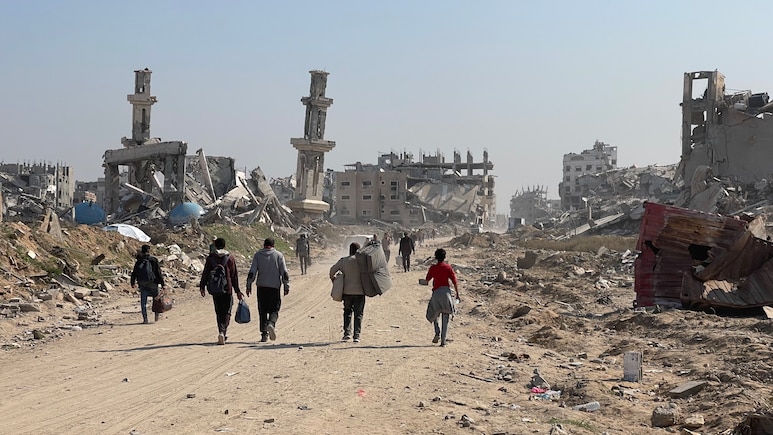
A recent study has revealed that the ongoing Israel-Gaza War has produced an estimated 33 million tonnes of carbon dioxide equivalent (Carbon Dioxide), highlighting the often ignored environmental cost of armed conflicts.
Published in the One Earth journal, the research was led by scientists from Queen Mary University of London and involved experts from Lancaster University. It offers a detailed assessment of emissions caused by military operations, construction activities and post-war rebuilding.
To put the scale into perspective, the emissions are equal to the total carbon output of Jordan in 2024. They are also comparable to the yearly emissions from 7.6 million petrol cars or the amount of carbon absorbed by over 33 million acres of forests in one year.
The study found that active fighting alone generated more than 1.3 million tonnes of Carbon Dioxide. This includes emissions from artillery, rockets and other military equipment. In addition, building defensive structures and reconstructing damaged roads, homes and infrastructure have added significantly to the carbon footprint.
Lead researcher Benjamin Neimark said that while wars are known for their human and economic damage, their environmental impact is rarely measured. He stressed that conflicts can create large amounts of greenhouse gases, both during fighting and in the rebuilding phase.
Co-researchers Frederick Otu-Larbi and Reuben Larbi noted that military emissions are often left out of global climate reports. This means the true climate impact of war is not fully counted.
The researchers have called for greater transparency in reporting such emissions under international frameworks like the United Nations Framework Convention on Climate Change, so that the environmental cost of conflicts is no longer overlooked.
Track Latest News Live on NDTV.com and get news updates from India and around the world

