






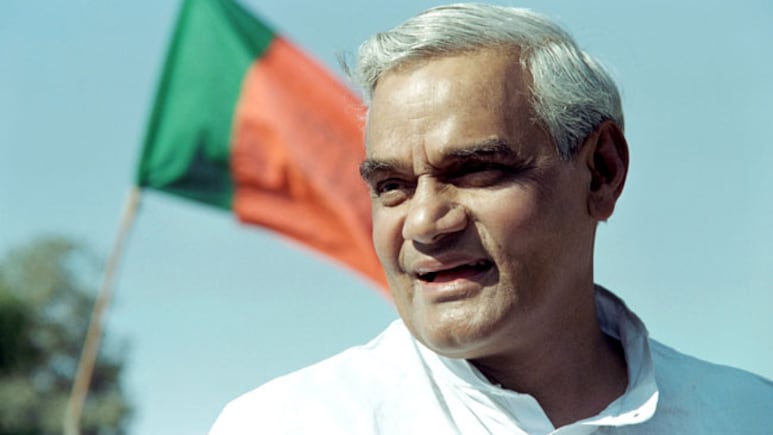
It was a hot afternoon on May 11, 1998. At that point in time, I was working as a correspondent covering the Ministry of External Affairs (MEA), the Prime Minister's Office (PMO) and parliament with the news agency ANI.
I received a call from Prime Minister Atal Bihari Vajpayee's office that he would address a news conference in the next two hours or so. I was asked to rush to the prime minister's house at "7 RCR", as it was then known, along with my camera team. I was taken aback; wondered why this sudden news conference by the prime minister.
I immediately rushed to my editor's cabin and informed him that Vajpayee was going to address a news conference at 5 pm or so, if I remember correctly.
The first question he asked was: "Is J Jayalalithaa withdrawing support to the Vajpayee government?"
This speculation had been doing the rounds in the corridors of power. It remained a hot topic of discussions among politicians and the media. The sudden announcement of a news conference to be addressed by the prime minister himself made journalists curious. Vajpayee was not known for holding sudden news conferences.
We rushed to the prime minister's house. After going through many security checks, we finally entered the lawns. The setting is still engraved in my mind. We were early; the officials were still placing a podium for Vajpayee to stand and address the media. We saw Pramod Mahajan, who was Vajpayee's adviser then, telling some officials to bring the national flag.
"Pramod ji, what's the big news?" I went up to him and asked.
"Just wait. You will hear from the man himself," he said.
Mahajan was usually accessible to journalists and was known for sharing timely information with the press. His response left me wondering why he did not share what the conference was about.
The preparations went for a while and many journalists started arriving. I saw some officials close to Vajpayee walking in.
"What is all this about?" I asked them. They, too, didn't say a word, just smiled.
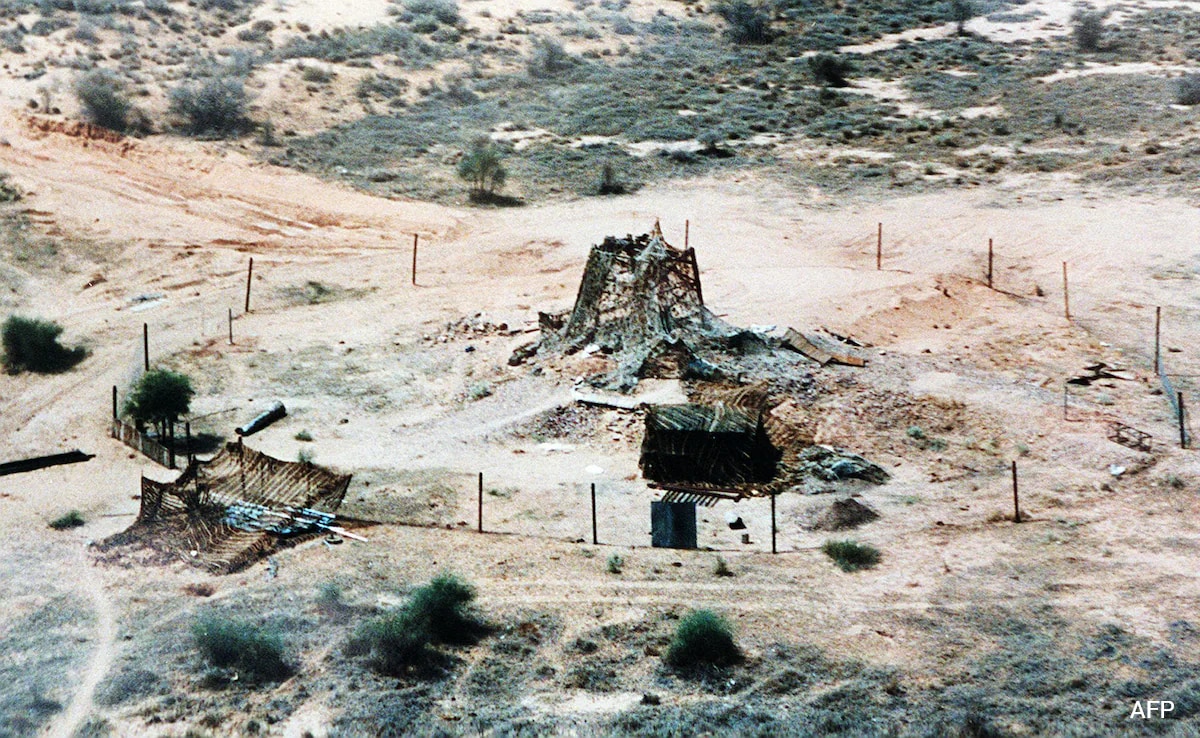
The national flag and the podium were all set, and the venue was full of reporters. Then we saw Vajpayee come out of his house and walk slowly to the podium. A paper was placed before him. He adjusted it and began his address: "Today, at 1545 hours, India conducted three underground nuclear tests in the Pokhran range..."
My hands froze; for me, it seemed time had frozen, and from one corner of my eye, I could see the similar reactions on the faces of other journalists present at the venue. It was dead silence. It seemed everything had become still around me, including the birds which had made Vajpayee's garden their home. And at other times, they were always chirping without fear.
The moment Vajpayee finished his address and started walking back home, I scrambled outside to pick up my mobile phone, which was at the reception; we weren't allowed phones inside the PMO. I picked up my phone and ran to inform the office that India had conducted three nuclear tests. I had barely finished flashing the news, and my phone went dead.
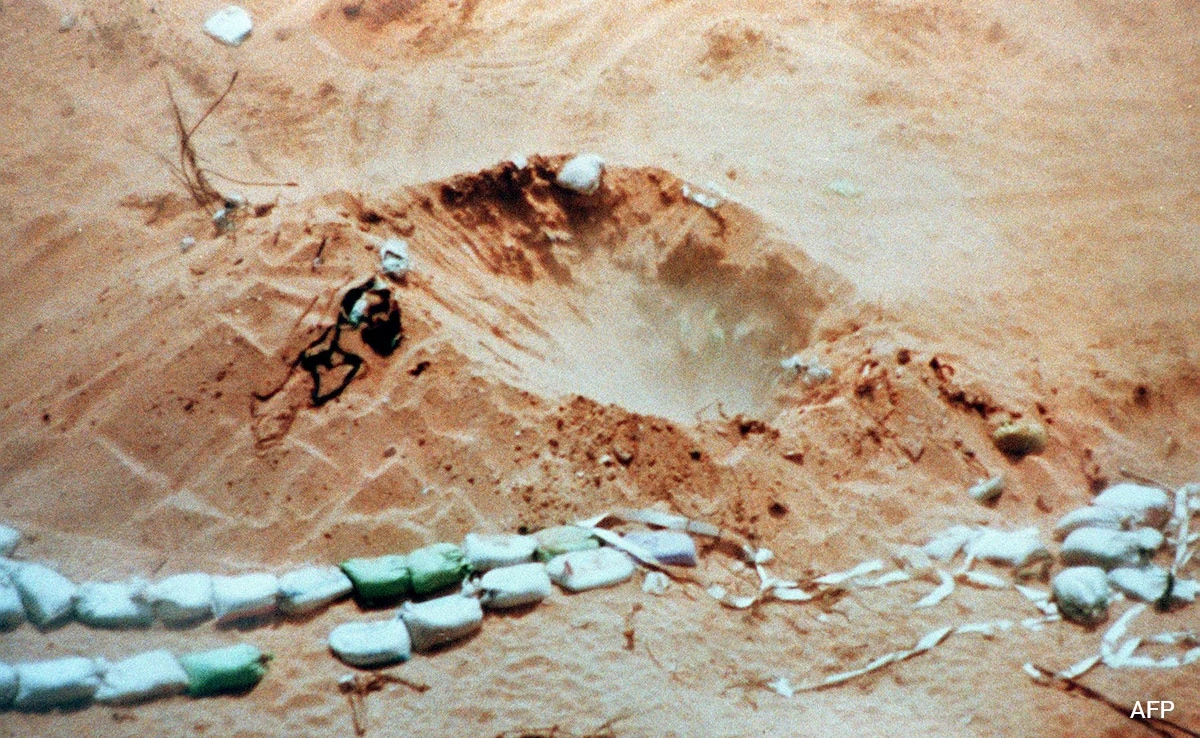
I rushed towards my car along with my cameraperson and used a walkie-talkie set in the car to give details to the office. I told them to book a satellite feed to play the Vajpayee statement announcing India's nuclear tests to Reuters, then ANI's partner. Those days, live TV broadcast was a rarity and used sparingly, only by the state broadcaster.
The office reacted swiftly, and it was in less than 25 minutes of Vajpayee making the statement that I was at Videsh Sanchar Nigam Limited to uplink the statement. The duty editor at Reuters told me to hold for a second as BBC, CNN, and many more news networks in the world wanted to carry Vajpayee's comments live.
It's exactly 28 years today, but I still get goosebumps thinking about May 11, 1998. A lazy day to the most talked-about day till today. With these tests, India announced that it was a nuclear power, a status the world recognises and cannot be undone.
(Naveen Kapoor is Editor, NDTV World)
Disclaimer: These are the personal opinions of the author

