






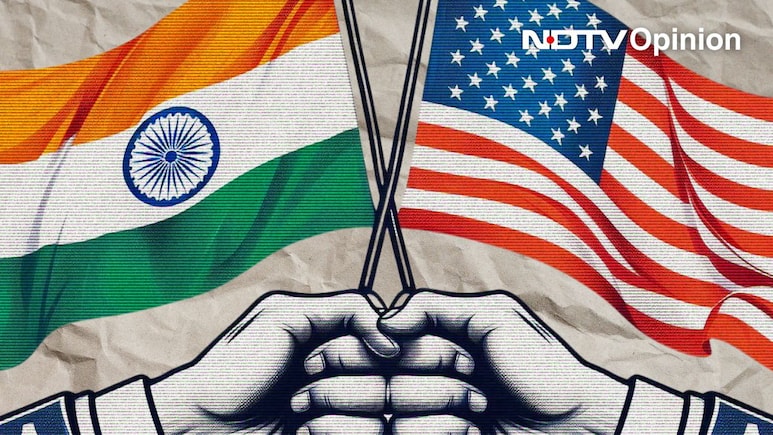
Some claim the US-India relationship is adrift, with New Delhi becoming an afterthought in Washington's worldview. However, Marco Rubio's first visit to India as Secretary of State has the potential to breathe more ambition into the partnership between the world's two largest democracies.
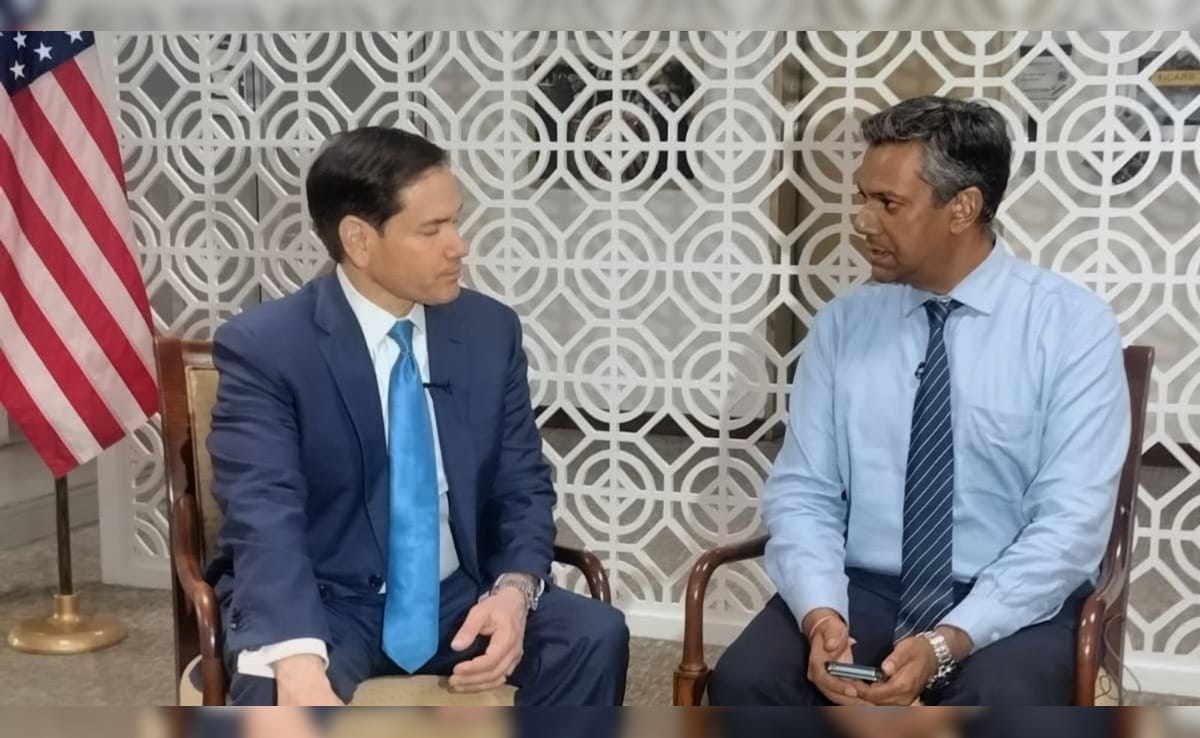
US Ambassador Sergio Gor deserves great credit for his efforts to shore up a relationship buffeted by tariffs and sanctions, as well as Washington's approach to Islamabad. Secretary Rubio's visit can help advance key initiatives such as the Quad, which has been on pause for a year, by attending a foreign ministers' gathering of that key group.
There is much more that each side can do to infuse ambition and momentum. In a world of rising great power tension, Delhi and DC can signal a recommitment to a strategic convergence 25 years in the making. These can include a range of matters, detailed below.
Focus on critical minerals: Which minerals, in which countries, with which incentives to drive US and Indian private sector involvement? Copper from Zambia for data centres? Rhenium from Chile for jet turbines? Businesses will benefit from clear signals from both governments.
Data centres and nuclear power: Building on recent changes to laws in India that previously blocked American companies from nuclear power projects, both sides should encourage their private sectors to be at the vanguard of using civilian nuclear power to fuel the enormous investment in data centres in both countries.
Boost TRUST: In the bilateral spirit of "Transforming Relationship Utilising Strategic Technology", India could accelerate its leadership in digital public infrastructure by integrating American AI technology, a "win-win".
Quad shipbuilding: Japan, Australia, India and the US could usefully coordinate their comparative strengths to claw back China's lead in naval shipbuilding.
Pharmaceutical precursors: Two thirds of the material necessary for production of generic medicines comes from China, creating a vulnerability in healthcare supply chains. Delhi and Washington can usefully incentivise companies to source production in each other's countries for the general well-being of their citizens and greater security of supply chains.
Defence production: Delhi lacks trust in Washington, and Washington is frustrated by India's rejection of fighter plane proposals dating back to the 1980s. Both sides should focus on intensified, joint production of key deterrent items needed in quantities. For example, drones, where India has a burgeoning private sector innovation.
Trade deal: Glaringly absent in almost eight decades of bilateral relations is any framework for trade. Completing negotiations on trade talks and giving reassurance to investors on both sides is essential.
If Washington and Delhi can advance their relations in a few key areas during Rubio's visit, it will expand mutual confidence and send a useful signal globally that official relations remain firmly on an ambitious track.
Happily, bilateral relationships extend far beyond government corridors to encompass people, business and academia. But even those areas face risks. As India rises as a global power, it needs to boost national spending on research and development, currently an anemic 0.6 per cent of the GDP. Absent further investments, India risks being seriously affected by the AI revolution that may disrupt its software services and outsourcing employment.
And, in a moment of energy uncertainty and supply chain risks, Delhi could usefully launch even more systemic reforms to intensify its relentless focus on transforming its economy. Administration, judiciary, agriculture and business regulations are all ripe for a 1991-style sweeping set of de-controls that would shrink bureaucratic cholesterol and help energise the entrepreneurial spirits of the Indian people and help drive GDP and employment growth, especially for young people.
Rubio will see the sheer dynamism of India during his visit. An even more dynamic and reform-minded India would see more prosperity for its people, and even more opportunities for mutually beneficial engagement with the US.
(Atul Keshap is President of US-India Business Council at the US Chamber of Commerce in Washington DC.)
Disclaimer: These are the personal opinions of the author

